{"title":"临床前药物安全性的先进体外模型:最新进展与展望。","authors":"Dileep G Nair, Ralf Weiskirchen","doi":"10.3390/cimb47010007","DOIUrl":null,"url":null,"abstract":"<p><p>The majority of drugs are typically orally administered. The journey from drug discovery to approval is often long and expensive, involving multiple stages. A major challenge in the drug development process is drug-induced liver injury (DILI), a condition that affects the liver, the organ responsible for metabolizing most drugs. Traditionally, identifying DILI risk has been difficult due to the poor correlation between preclinical animal models and in vitro systems. Differences in physiology between humans and animals or cell lines contribute to the failure of many drug programs during clinical trials. The use of advanced in vitro systems that closely mimic human physiology, such as organ-on-a-chip models like gut-liver-on-a-chip, can be crucial in improving drug efficacy while minimizing toxicity. Additionally, the adaptation of these technologies has the potential to significantly reduce both the time and cost associated with obtaining safe drug approvals, all while adhering to the 3Rs principle (replacement, reduction, refinement). In this review, we discuss the significance, current status, and future prospects of advanced platforms, specifically organ-on-a-chip models, in supporting preclinical drug discovery.</p>","PeriodicalId":10839,"journal":{"name":"Current Issues in Molecular Biology","volume":"47 1","pages":""},"PeriodicalIF":3.0000,"publicationDate":"2024-12-26","publicationTypes":"Journal Article","fieldsOfStudy":null,"isOpenAccess":false,"openAccessPdf":"https://www.ncbi.nlm.nih.gov/pmc/articles/PMC11763796/pdf/","citationCount":"0","resultStr":"{\"title\":\"Advanced In Vitro Models for Preclinical Drug Safety: Recent Progress and Prospects.\",\"authors\":\"Dileep G Nair, Ralf Weiskirchen\",\"doi\":\"10.3390/cimb47010007\",\"DOIUrl\":null,\"url\":null,\"abstract\":\"<p><p>The majority of drugs are typically orally administered. The journey from drug discovery to approval is often long and expensive, involving multiple stages. A major challenge in the drug development process is drug-induced liver injury (DILI), a condition that affects the liver, the organ responsible for metabolizing most drugs. Traditionally, identifying DILI risk has been difficult due to the poor correlation between preclinical animal models and in vitro systems. Differences in physiology between humans and animals or cell lines contribute to the failure of many drug programs during clinical trials. The use of advanced in vitro systems that closely mimic human physiology, such as organ-on-a-chip models like gut-liver-on-a-chip, can be crucial in improving drug efficacy while minimizing toxicity. Additionally, the adaptation of these technologies has the potential to significantly reduce both the time and cost associated with obtaining safe drug approvals, all while adhering to the 3Rs principle (replacement, reduction, refinement). In this review, we discuss the significance, current status, and future prospects of advanced platforms, specifically organ-on-a-chip models, in supporting preclinical drug discovery.</p>\",\"PeriodicalId\":10839,\"journal\":{\"name\":\"Current Issues in Molecular Biology\",\"volume\":\"47 1\",\"pages\":\"\"},\"PeriodicalIF\":3.0000,\"publicationDate\":\"2024-12-26\",\"publicationTypes\":\"Journal Article\",\"fieldsOfStudy\":null,\"isOpenAccess\":false,\"openAccessPdf\":\"https://www.ncbi.nlm.nih.gov/pmc/articles/PMC11763796/pdf/\",\"citationCount\":\"0\",\"resultStr\":null,\"platform\":\"Semanticscholar\",\"paperid\":null,\"PeriodicalName\":\"Current Issues in Molecular Biology\",\"FirstCategoryId\":\"99\",\"ListUrlMain\":\"https://doi.org/10.3390/cimb47010007\",\"RegionNum\":3,\"RegionCategory\":\"生物学\",\"ArticlePicture\":[],\"TitleCN\":null,\"AbstractTextCN\":null,\"PMCID\":null,\"EPubDate\":\"\",\"PubModel\":\"\",\"JCR\":\"Q3\",\"JCRName\":\"BIOCHEMISTRY & MOLECULAR BIOLOGY\",\"Score\":null,\"Total\":0}","platform":"Semanticscholar","paperid":null,"PeriodicalName":"Current Issues in Molecular Biology","FirstCategoryId":"99","ListUrlMain":"https://doi.org/10.3390/cimb47010007","RegionNum":3,"RegionCategory":"生物学","ArticlePicture":[],"TitleCN":null,"AbstractTextCN":null,"PMCID":null,"EPubDate":"","PubModel":"","JCR":"Q3","JCRName":"BIOCHEMISTRY & MOLECULAR BIOLOGY","Score":null,"Total":0}
Advanced In Vitro Models for Preclinical Drug Safety: Recent Progress and Prospects.
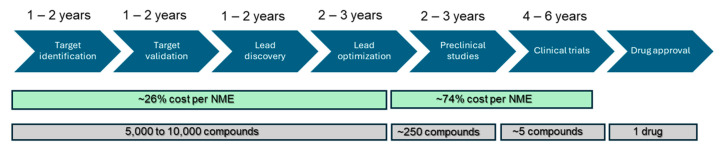
The majority of drugs are typically orally administered. The journey from drug discovery to approval is often long and expensive, involving multiple stages. A major challenge in the drug development process is drug-induced liver injury (DILI), a condition that affects the liver, the organ responsible for metabolizing most drugs. Traditionally, identifying DILI risk has been difficult due to the poor correlation between preclinical animal models and in vitro systems. Differences in physiology between humans and animals or cell lines contribute to the failure of many drug programs during clinical trials. The use of advanced in vitro systems that closely mimic human physiology, such as organ-on-a-chip models like gut-liver-on-a-chip, can be crucial in improving drug efficacy while minimizing toxicity. Additionally, the adaptation of these technologies has the potential to significantly reduce both the time and cost associated with obtaining safe drug approvals, all while adhering to the 3Rs principle (replacement, reduction, refinement). In this review, we discuss the significance, current status, and future prospects of advanced platforms, specifically organ-on-a-chip models, in supporting preclinical drug discovery.
期刊介绍:
Current Issues in Molecular Biology (CIMB) is a peer-reviewed journal publishing review articles and minireviews in all areas of molecular biology and microbiology. Submitted articles are subject to an Article Processing Charge (APC) and are open access immediately upon publication. All manuscripts undergo a peer-review process.






 京公网安备 11010802042870号
京ICP备2023020795号-1
京公网安备 11010802042870号
京ICP备2023020795号-1

 分享
分享
 求助内容:
求助内容: 应助结果提醒方式:
 扫码关注我们
