{"title":"清除对准剂治疗:适应症、优点和不良反应——一项系统综述。","authors":"Clara Rasborg Hartogsohn, Liselotte Sonnesen","doi":"10.3390/dj13010040","DOIUrl":null,"url":null,"abstract":"<p><p><b>Background/Objectives</b>: Clear aligner treatment (CAT) has gained interest among clinicians as well as among patients. The aim of the present study was to systematically review the literature regarding current viewpoints on indications, contraindications, advantages, disadvantages, and adverse effects in CAT. <b>Methods</b>: A search was performed in the PubMed and Embase databases, yielding 18 studies eligible for inclusion. <b>Results</b>: Current indications for CAT are mild to moderate malocclusions. Severe malocclusions with impactions or severe craniofacial skeletal deviations are contraindications. The advantages were oral hygiene and oral health as the most common, and disadvantages of CAT have been noted by several studies, including CAT still being inferior to fixed appliance treatment (FAT) in all orthodontic movements. Adverse effects were potential health risks due to microplastics and a decrease in condyle bone volume. <b>Conclusions</b>: No firm conclusions can be drawn regarding indications for CAT except for mild to moderate malocclusion. Severe malocclusions with impactions or severe craniofacial skeletal deviations are considered contraindications. In more complex cases, CAT is still considered inferior to FAT, although CAT contains advantages. There are disadvantages in CAT which clinicians should consider when choosing a type of orthodontic appliance for treating specific malocclusions. Only a few adverse effects in CAT were presented by the included studies. More high-quality research is needed regarding indications and contraindications for CAT.</p>","PeriodicalId":11269,"journal":{"name":"Dentistry Journal","volume":"13 1","pages":""},"PeriodicalIF":3.1000,"publicationDate":"2025-01-17","publicationTypes":"Journal Article","fieldsOfStudy":null,"isOpenAccess":false,"openAccessPdf":"https://www.ncbi.nlm.nih.gov/pmc/articles/PMC11764167/pdf/","citationCount":"0","resultStr":"{\"title\":\"Clear Aligner Treatment: Indications, Advantages, and Adverse Effects-A Systematic Review.\",\"authors\":\"Clara Rasborg Hartogsohn, Liselotte Sonnesen\",\"doi\":\"10.3390/dj13010040\",\"DOIUrl\":null,\"url\":null,\"abstract\":\"<p><p><b>Background/Objectives</b>: Clear aligner treatment (CAT) has gained interest among clinicians as well as among patients. The aim of the present study was to systematically review the literature regarding current viewpoints on indications, contraindications, advantages, disadvantages, and adverse effects in CAT. <b>Methods</b>: A search was performed in the PubMed and Embase databases, yielding 18 studies eligible for inclusion. <b>Results</b>: Current indications for CAT are mild to moderate malocclusions. Severe malocclusions with impactions or severe craniofacial skeletal deviations are contraindications. The advantages were oral hygiene and oral health as the most common, and disadvantages of CAT have been noted by several studies, including CAT still being inferior to fixed appliance treatment (FAT) in all orthodontic movements. Adverse effects were potential health risks due to microplastics and a decrease in condyle bone volume. <b>Conclusions</b>: No firm conclusions can be drawn regarding indications for CAT except for mild to moderate malocclusion. Severe malocclusions with impactions or severe craniofacial skeletal deviations are considered contraindications. In more complex cases, CAT is still considered inferior to FAT, although CAT contains advantages. There are disadvantages in CAT which clinicians should consider when choosing a type of orthodontic appliance for treating specific malocclusions. Only a few adverse effects in CAT were presented by the included studies. More high-quality research is needed regarding indications and contraindications for CAT.</p>\",\"PeriodicalId\":11269,\"journal\":{\"name\":\"Dentistry Journal\",\"volume\":\"13 1\",\"pages\":\"\"},\"PeriodicalIF\":3.1000,\"publicationDate\":\"2025-01-17\",\"publicationTypes\":\"Journal Article\",\"fieldsOfStudy\":null,\"isOpenAccess\":false,\"openAccessPdf\":\"https://www.ncbi.nlm.nih.gov/pmc/articles/PMC11764167/pdf/\",\"citationCount\":\"0\",\"resultStr\":null,\"platform\":\"Semanticscholar\",\"paperid\":null,\"PeriodicalName\":\"Dentistry Journal\",\"FirstCategoryId\":\"1085\",\"ListUrlMain\":\"https://doi.org/10.3390/dj13010040\",\"RegionNum\":0,\"RegionCategory\":null,\"ArticlePicture\":[],\"TitleCN\":null,\"AbstractTextCN\":null,\"PMCID\":null,\"EPubDate\":\"\",\"PubModel\":\"\",\"JCR\":\"Q2\",\"JCRName\":\"DENTISTRY, ORAL SURGERY & MEDICINE\",\"Score\":null,\"Total\":0}","platform":"Semanticscholar","paperid":null,"PeriodicalName":"Dentistry Journal","FirstCategoryId":"1085","ListUrlMain":"https://doi.org/10.3390/dj13010040","RegionNum":0,"RegionCategory":null,"ArticlePicture":[],"TitleCN":null,"AbstractTextCN":null,"PMCID":null,"EPubDate":"","PubModel":"","JCR":"Q2","JCRName":"DENTISTRY, ORAL SURGERY & MEDICINE","Score":null,"Total":0}
Clear Aligner Treatment: Indications, Advantages, and Adverse Effects-A Systematic Review.
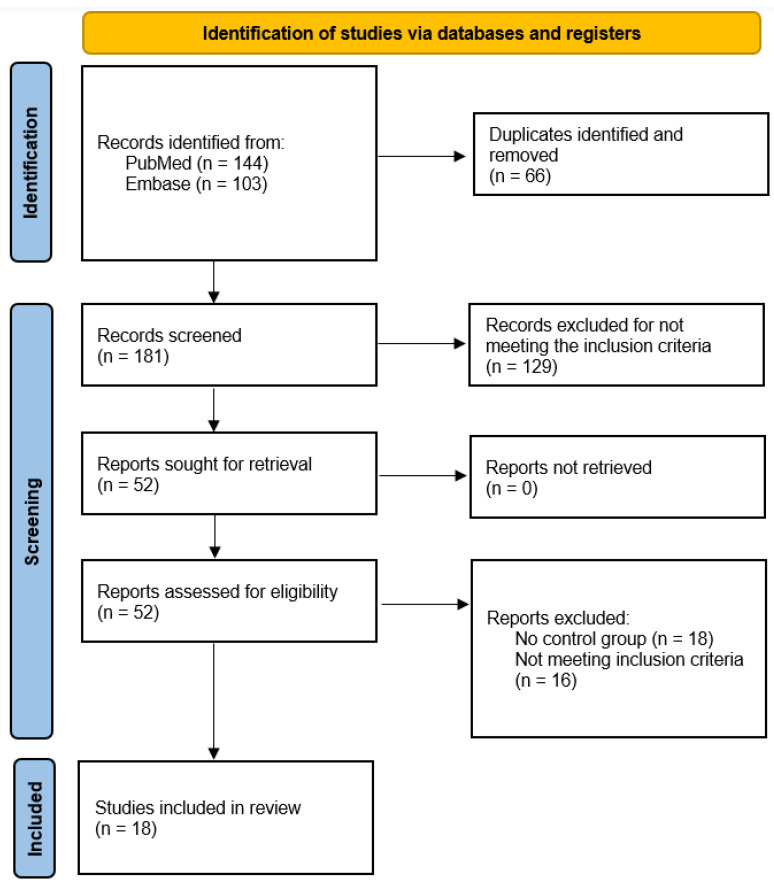
Background/Objectives: Clear aligner treatment (CAT) has gained interest among clinicians as well as among patients. The aim of the present study was to systematically review the literature regarding current viewpoints on indications, contraindications, advantages, disadvantages, and adverse effects in CAT. Methods: A search was performed in the PubMed and Embase databases, yielding 18 studies eligible for inclusion. Results: Current indications for CAT are mild to moderate malocclusions. Severe malocclusions with impactions or severe craniofacial skeletal deviations are contraindications. The advantages were oral hygiene and oral health as the most common, and disadvantages of CAT have been noted by several studies, including CAT still being inferior to fixed appliance treatment (FAT) in all orthodontic movements. Adverse effects were potential health risks due to microplastics and a decrease in condyle bone volume. Conclusions: No firm conclusions can be drawn regarding indications for CAT except for mild to moderate malocclusion. Severe malocclusions with impactions or severe craniofacial skeletal deviations are considered contraindications. In more complex cases, CAT is still considered inferior to FAT, although CAT contains advantages. There are disadvantages in CAT which clinicians should consider when choosing a type of orthodontic appliance for treating specific malocclusions. Only a few adverse effects in CAT were presented by the included studies. More high-quality research is needed regarding indications and contraindications for CAT.





 京公网安备 11010802042870号
京ICP备2023020795号-1
京公网安备 11010802042870号
京ICP备2023020795号-1

 分享
分享
 求助内容:
求助内容: 应助结果提醒方式:
 扫码关注我们
