Roberto Gazzeri, Jacopo Mosca, Felice Occhigrossi, Marco Mercieri, Marcelo Galarza, Matteo Luigi Giuseppe Leoni
{"title":"脊髓刺激治疗难治性心绞痛:现状和未来展望。","authors":"Roberto Gazzeri, Jacopo Mosca, Felice Occhigrossi, Marco Mercieri, Marcelo Galarza, Matteo Luigi Giuseppe Leoni","doi":"10.3390/jcdd12010033","DOIUrl":null,"url":null,"abstract":"<p><p>Refractory angina pectoris (RAP) is a clinical syndrome characterized by persistent chest pain caused by myocardial ischemia that is unresponsive to optimal pharmacological therapy and revascularization procedures. Spinal cord stimulation (SCS) has emerged as a promising therapeutic option for managing RAP, offering significant symptom relief and improved quality of life. A systematic literature review was conducted to evaluate the clinical effectiveness, mechanisms of action, and safety profile of SCS in treating RAP. Comprehensive searches were performed in PubMed, Scopus, and Web of Science for studies published between 1990 and 2023. Of 328 articles identified, 6 met the inclusion and exclusion criteria for final analysis. The included studies consistently demonstrated that SCS significantly reduces the frequency of anginal episodes and nitroglycerin use while improving exercise capacity and quality of life. Proposed mechanisms include modulation of pain signals via the gate control theory, enhancement of autonomic balance, and redistribution of myocardial perfusion. Novel stimulation modalities, including high-frequency, Burst, and Differential Target Multiplexed (DTM), show potential advantages in enhancing patient comfort and clinical outcomes. Nevertheless, long-term studies are necessary to validate these findings and establish the comparative efficacy of these advanced technologies. SCS is a safe and effective therapy for patients with RAP who are unsuitable for surgical interventions. Innovations in neurostimulation, including closed-loop systems and personalized treatment strategies have the potential to further optimize outcomes. Rigorous clinical trials are needed to consolidate the role of SCS as a cornerstone therapy for the management of RAP.</p>","PeriodicalId":15197,"journal":{"name":"Journal of Cardiovascular Development and Disease","volume":"12 1","pages":""},"PeriodicalIF":2.6000,"publicationDate":"2025-01-20","publicationTypes":"Journal Article","fieldsOfStudy":null,"isOpenAccess":false,"openAccessPdf":"https://www.ncbi.nlm.nih.gov/pmc/articles/PMC11766387/pdf/","citationCount":"0","resultStr":"{\"title\":\"Spinal Cord Stimulation for Refractory Angina Pectoris: Current Status and Future Perspectives, a Narrative Review.\",\"authors\":\"Roberto Gazzeri, Jacopo Mosca, Felice Occhigrossi, Marco Mercieri, Marcelo Galarza, Matteo Luigi Giuseppe Leoni\",\"doi\":\"10.3390/jcdd12010033\",\"DOIUrl\":null,\"url\":null,\"abstract\":\"<p><p>Refractory angina pectoris (RAP) is a clinical syndrome characterized by persistent chest pain caused by myocardial ischemia that is unresponsive to optimal pharmacological therapy and revascularization procedures. Spinal cord stimulation (SCS) has emerged as a promising therapeutic option for managing RAP, offering significant symptom relief and improved quality of life. A systematic literature review was conducted to evaluate the clinical effectiveness, mechanisms of action, and safety profile of SCS in treating RAP. Comprehensive searches were performed in PubMed, Scopus, and Web of Science for studies published between 1990 and 2023. Of 328 articles identified, 6 met the inclusion and exclusion criteria for final analysis. The included studies consistently demonstrated that SCS significantly reduces the frequency of anginal episodes and nitroglycerin use while improving exercise capacity and quality of life. Proposed mechanisms include modulation of pain signals via the gate control theory, enhancement of autonomic balance, and redistribution of myocardial perfusion. Novel stimulation modalities, including high-frequency, Burst, and Differential Target Multiplexed (DTM), show potential advantages in enhancing patient comfort and clinical outcomes. Nevertheless, long-term studies are necessary to validate these findings and establish the comparative efficacy of these advanced technologies. SCS is a safe and effective therapy for patients with RAP who are unsuitable for surgical interventions. Innovations in neurostimulation, including closed-loop systems and personalized treatment strategies have the potential to further optimize outcomes. Rigorous clinical trials are needed to consolidate the role of SCS as a cornerstone therapy for the management of RAP.</p>\",\"PeriodicalId\":15197,\"journal\":{\"name\":\"Journal of Cardiovascular Development and Disease\",\"volume\":\"12 1\",\"pages\":\"\"},\"PeriodicalIF\":2.6000,\"publicationDate\":\"2025-01-20\",\"publicationTypes\":\"Journal Article\",\"fieldsOfStudy\":null,\"isOpenAccess\":false,\"openAccessPdf\":\"https://www.ncbi.nlm.nih.gov/pmc/articles/PMC11766387/pdf/\",\"citationCount\":\"0\",\"resultStr\":null,\"platform\":\"Semanticscholar\",\"paperid\":null,\"PeriodicalName\":\"Journal of Cardiovascular Development and Disease\",\"FirstCategoryId\":\"3\",\"ListUrlMain\":\"https://doi.org/10.3390/jcdd12010033\",\"RegionNum\":4,\"RegionCategory\":\"医学\",\"ArticlePicture\":[],\"TitleCN\":null,\"AbstractTextCN\":null,\"PMCID\":null,\"EPubDate\":\"\",\"PubModel\":\"\",\"JCR\":\"Q2\",\"JCRName\":\"CARDIAC & CARDIOVASCULAR SYSTEMS\",\"Score\":null,\"Total\":0}","platform":"Semanticscholar","paperid":null,"PeriodicalName":"Journal of Cardiovascular Development and Disease","FirstCategoryId":"3","ListUrlMain":"https://doi.org/10.3390/jcdd12010033","RegionNum":4,"RegionCategory":"医学","ArticlePicture":[],"TitleCN":null,"AbstractTextCN":null,"PMCID":null,"EPubDate":"","PubModel":"","JCR":"Q2","JCRName":"CARDIAC & CARDIOVASCULAR SYSTEMS","Score":null,"Total":0}
引用次数: 0
摘要
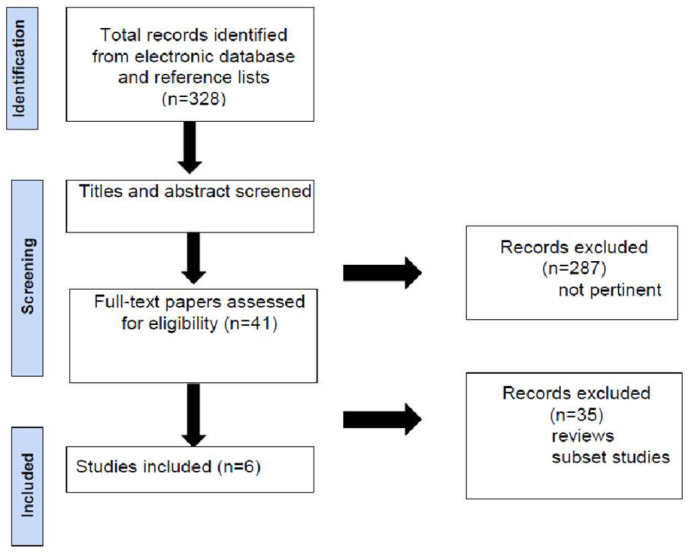
难治性心绞痛(RAP)是一种临床综合征,其特征是心肌缺血引起的持续胸痛,对最佳药物治疗和血运重建术无反应。脊髓刺激(SCS)已成为治疗RAP的一种有前景的治疗选择,可显著缓解症状并改善生活质量。我们进行了系统的文献综述,以评估SCS治疗RAP的临床有效性、作用机制和安全性。在PubMed、Scopus和Web of Science中对1990年至2023年间发表的研究进行了全面搜索。在确定的328篇文章中,有6篇符合最终分析的纳入和排除标准。纳入的研究一致表明,SCS显著降低心绞痛发作的频率和硝酸甘油的使用,同时提高运动能力和生活质量。提出的机制包括通过门控理论调节疼痛信号、增强自主神经平衡和心肌灌注的再分配。新的刺激方式,包括高频、脉冲和差分靶复用(DTM),在提高患者舒适度和临床结果方面显示出潜在的优势。然而,需要长期研究来验证这些发现并确定这些先进技术的相对功效。对于不适合手术干预的RAP患者,SCS是一种安全有效的治疗方法。神经刺激的创新,包括闭环系统和个性化治疗策略,有可能进一步优化结果。需要严格的临床试验来巩固SCS作为治疗RAP的基础疗法的作用。
Spinal Cord Stimulation for Refractory Angina Pectoris: Current Status and Future Perspectives, a Narrative Review.
Refractory angina pectoris (RAP) is a clinical syndrome characterized by persistent chest pain caused by myocardial ischemia that is unresponsive to optimal pharmacological therapy and revascularization procedures. Spinal cord stimulation (SCS) has emerged as a promising therapeutic option for managing RAP, offering significant symptom relief and improved quality of life. A systematic literature review was conducted to evaluate the clinical effectiveness, mechanisms of action, and safety profile of SCS in treating RAP. Comprehensive searches were performed in PubMed, Scopus, and Web of Science for studies published between 1990 and 2023. Of 328 articles identified, 6 met the inclusion and exclusion criteria for final analysis. The included studies consistently demonstrated that SCS significantly reduces the frequency of anginal episodes and nitroglycerin use while improving exercise capacity and quality of life. Proposed mechanisms include modulation of pain signals via the gate control theory, enhancement of autonomic balance, and redistribution of myocardial perfusion. Novel stimulation modalities, including high-frequency, Burst, and Differential Target Multiplexed (DTM), show potential advantages in enhancing patient comfort and clinical outcomes. Nevertheless, long-term studies are necessary to validate these findings and establish the comparative efficacy of these advanced technologies. SCS is a safe and effective therapy for patients with RAP who are unsuitable for surgical interventions. Innovations in neurostimulation, including closed-loop systems and personalized treatment strategies have the potential to further optimize outcomes. Rigorous clinical trials are needed to consolidate the role of SCS as a cornerstone therapy for the management of RAP.




 京公网安备 11010802042870号
京ICP备2023020795号-1
京公网安备 11010802042870号
京ICP备2023020795号-1

 分享
分享
 求助内容:
求助内容: 应助结果提醒方式:
 扫码关注我们
