Jin Young Hong, Wan-Jin Jeon, Hyunseong Kim, Changhwan Yeo, Hyun Kim, Yoon Jae Lee, In-Hyuk Ha
{"title":"通过RNA测序分析腰椎管狭窄大鼠模型中的差异基因表达:鉴定关键分子途径和治疗见解。","authors":"Jin Young Hong, Wan-Jin Jeon, Hyunseong Kim, Changhwan Yeo, Hyun Kim, Yoon Jae Lee, In-Hyuk Ha","doi":"10.3390/biomedicines13010192","DOIUrl":null,"url":null,"abstract":"<p><strong>Background/objectives: </strong>Lumbar spinal stenosis (LSS) is a degenerative condition characterized by the narrowing of the spinal canal, resulting in chronic pain and impaired mobility. However, the molecular mechanisms underlying LSS remain unclear. In this study, we performed RNA sequencing (RNA-seq) to investigate differential gene expression in a rat LSS model and identify the key genes and pathways involved in its pathogenesis.</p><p><strong>Methods: </strong>We used bioinformatics analysis to identify significant alterations in gene expression between the LSS-induced and sham groups.</p><p><strong>Results: </strong>Pearson's correlation analysis demonstrated strongly consistent intragroup expression (r > 0.9), with distinct gene expression between the LSS and sham groups. A total of 113 differentially expressed genes (DEGs) were identified, including upregulated genes such as <i>Slc47a1</i> and <i>Prg4</i> and downregulated genes such as <i>Higd1c</i> and <i>Mln</i>. Functional enrichment analysis revealed that these DEGs included those involved in key biological processes, including synaptic plasticity, extracellular matrix organization, and hormonal regulation. Gene ontology analysis highlighted critical molecular functions such as mRNA binding and integrin binding, as well as cellular components such as contractile fibers and the extracellular matrix, which were significantly affected by LSS.</p><p><strong>Conclusions: </strong>Our findings provide novel insights into the molecular mechanisms underlying LSS and offer potential avenues for the development of targeted therapies aimed at mitigating disease progression and improving patient outcomes.</p>","PeriodicalId":8937,"journal":{"name":"Biomedicines","volume":"13 1","pages":""},"PeriodicalIF":3.9000,"publicationDate":"2025-01-14","publicationTypes":"Journal Article","fieldsOfStudy":null,"isOpenAccess":false,"openAccessPdf":"https://www.ncbi.nlm.nih.gov/pmc/articles/PMC11762803/pdf/","citationCount":"0","resultStr":"{\"title\":\"Differential Gene Expression Analysis in a Lumbar Spinal Stenosis Rat Model via RNA Sequencing: Identification of Key Molecular Pathways and Therapeutic Insights.\",\"authors\":\"Jin Young Hong, Wan-Jin Jeon, Hyunseong Kim, Changhwan Yeo, Hyun Kim, Yoon Jae Lee, In-Hyuk Ha\",\"doi\":\"10.3390/biomedicines13010192\",\"DOIUrl\":null,\"url\":null,\"abstract\":\"<p><strong>Background/objectives: </strong>Lumbar spinal stenosis (LSS) is a degenerative condition characterized by the narrowing of the spinal canal, resulting in chronic pain and impaired mobility. However, the molecular mechanisms underlying LSS remain unclear. In this study, we performed RNA sequencing (RNA-seq) to investigate differential gene expression in a rat LSS model and identify the key genes and pathways involved in its pathogenesis.</p><p><strong>Methods: </strong>We used bioinformatics analysis to identify significant alterations in gene expression between the LSS-induced and sham groups.</p><p><strong>Results: </strong>Pearson's correlation analysis demonstrated strongly consistent intragroup expression (r > 0.9), with distinct gene expression between the LSS and sham groups. A total of 113 differentially expressed genes (DEGs) were identified, including upregulated genes such as <i>Slc47a1</i> and <i>Prg4</i> and downregulated genes such as <i>Higd1c</i> and <i>Mln</i>. Functional enrichment analysis revealed that these DEGs included those involved in key biological processes, including synaptic plasticity, extracellular matrix organization, and hormonal regulation. Gene ontology analysis highlighted critical molecular functions such as mRNA binding and integrin binding, as well as cellular components such as contractile fibers and the extracellular matrix, which were significantly affected by LSS.</p><p><strong>Conclusions: </strong>Our findings provide novel insights into the molecular mechanisms underlying LSS and offer potential avenues for the development of targeted therapies aimed at mitigating disease progression and improving patient outcomes.</p>\",\"PeriodicalId\":8937,\"journal\":{\"name\":\"Biomedicines\",\"volume\":\"13 1\",\"pages\":\"\"},\"PeriodicalIF\":3.9000,\"publicationDate\":\"2025-01-14\",\"publicationTypes\":\"Journal Article\",\"fieldsOfStudy\":null,\"isOpenAccess\":false,\"openAccessPdf\":\"https://www.ncbi.nlm.nih.gov/pmc/articles/PMC11762803/pdf/\",\"citationCount\":\"0\",\"resultStr\":null,\"platform\":\"Semanticscholar\",\"paperid\":null,\"PeriodicalName\":\"Biomedicines\",\"FirstCategoryId\":\"5\",\"ListUrlMain\":\"https://doi.org/10.3390/biomedicines13010192\",\"RegionNum\":3,\"RegionCategory\":\"工程技术\",\"ArticlePicture\":[],\"TitleCN\":null,\"AbstractTextCN\":null,\"PMCID\":null,\"EPubDate\":\"\",\"PubModel\":\"\",\"JCR\":\"Q2\",\"JCRName\":\"BIOCHEMISTRY & MOLECULAR BIOLOGY\",\"Score\":null,\"Total\":0}","platform":"Semanticscholar","paperid":null,"PeriodicalName":"Biomedicines","FirstCategoryId":"5","ListUrlMain":"https://doi.org/10.3390/biomedicines13010192","RegionNum":3,"RegionCategory":"工程技术","ArticlePicture":[],"TitleCN":null,"AbstractTextCN":null,"PMCID":null,"EPubDate":"","PubModel":"","JCR":"Q2","JCRName":"BIOCHEMISTRY & MOLECULAR BIOLOGY","Score":null,"Total":0}
Differential Gene Expression Analysis in a Lumbar Spinal Stenosis Rat Model via RNA Sequencing: Identification of Key Molecular Pathways and Therapeutic Insights.
Background/objectives: Lumbar spinal stenosis (LSS) is a degenerative condition characterized by the narrowing of the spinal canal, resulting in chronic pain and impaired mobility. However, the molecular mechanisms underlying LSS remain unclear. In this study, we performed RNA sequencing (RNA-seq) to investigate differential gene expression in a rat LSS model and identify the key genes and pathways involved in its pathogenesis.
Methods: We used bioinformatics analysis to identify significant alterations in gene expression between the LSS-induced and sham groups.
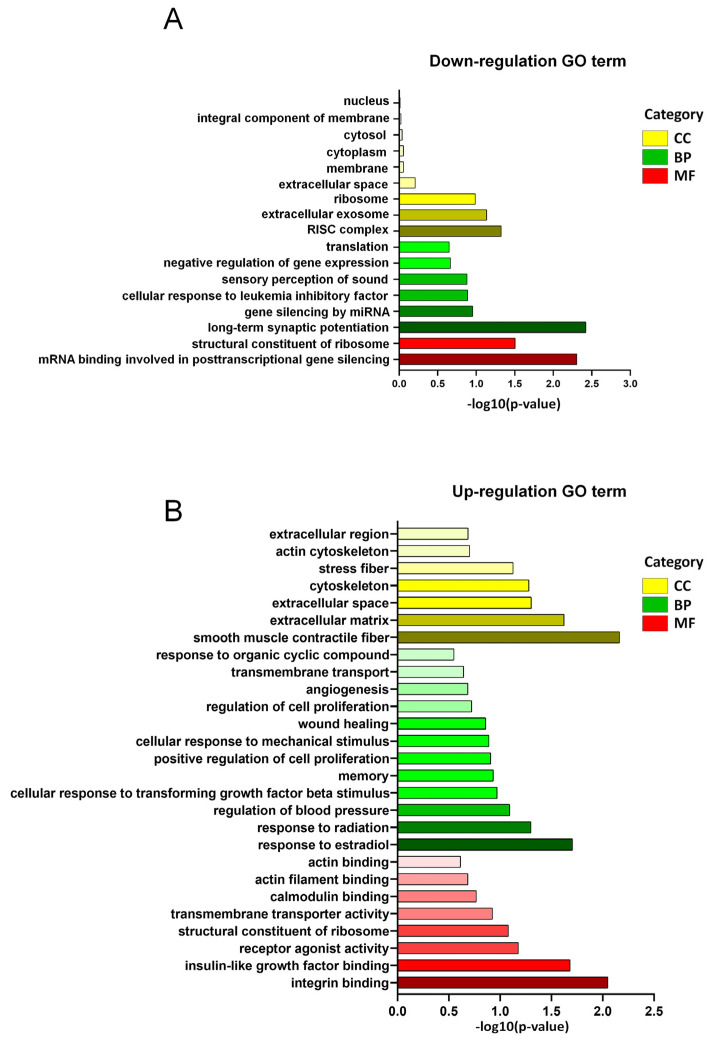
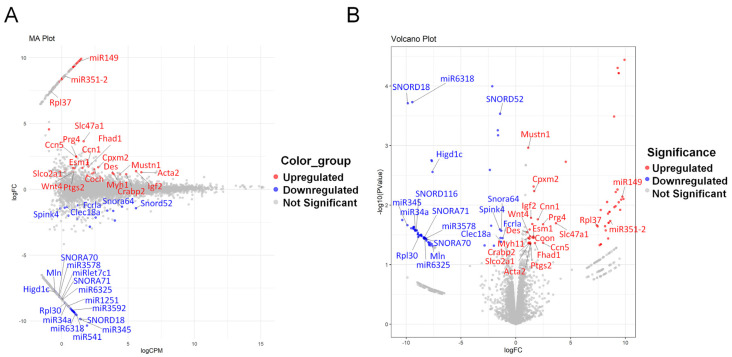
Results: Pearson's correlation analysis demonstrated strongly consistent intragroup expression (r > 0.9), with distinct gene expression between the LSS and sham groups. A total of 113 differentially expressed genes (DEGs) were identified, including upregulated genes such as Slc47a1 and Prg4 and downregulated genes such as Higd1c and Mln. Functional enrichment analysis revealed that these DEGs included those involved in key biological processes, including synaptic plasticity, extracellular matrix organization, and hormonal regulation. Gene ontology analysis highlighted critical molecular functions such as mRNA binding and integrin binding, as well as cellular components such as contractile fibers and the extracellular matrix, which were significantly affected by LSS.
Conclusions: Our findings provide novel insights into the molecular mechanisms underlying LSS and offer potential avenues for the development of targeted therapies aimed at mitigating disease progression and improving patient outcomes.
BiomedicinesBiochemistry, Genetics and Molecular Biology-General Biochemistry,Genetics and Molecular Biology
CiteScore
5.20
自引率
8.50%
发文量
2823
审稿时长
8 weeks
期刊介绍:
Biomedicines (ISSN 2227-9059; CODEN: BIOMID) is an international, scientific, open access journal on biomedicines published quarterly online by MDPI.





 京公网安备 11010802042870号
京ICP备2023020795号-1
京公网安备 11010802042870号
京ICP备2023020795号-1

 分享
分享
 求助内容:
求助内容: 应助结果提醒方式:
 扫码关注我们
