Matteo Antonio Sacco, Valerio Riccardo Aquila, Saverio Gualtieri, Roberto Raffaele, Maria Cristina Verrina, Lucia Tarda, Santo Gratteri, Isabella Aquila
{"title":"应用快速免疫荧光法定量分析心源性猝死的心肌生物标志物","authors":"Matteo Antonio Sacco, Valerio Riccardo Aquila, Saverio Gualtieri, Roberto Raffaele, Maria Cristina Verrina, Lucia Tarda, Santo Gratteri, Isabella Aquila","doi":"10.3390/biomedicines13010193","DOIUrl":null,"url":null,"abstract":"<p><strong>Background/objectives: </strong>Differential diagnosis of sudden cardiac death (SCD) remains challenging, particularly in cases lacking evident structural abnormalities. Cardiac markers have been proposed as useful tools for this differentiation in forensic contexts. However, key issues include the influence of postmortem interval (PMI) on marker stability and the limitations of traditional approaches that focus on pericardial fluid, which requires invasive sampling compared to peripheral blood. This study aimed to evaluate the potential of cardiac markers in peripheral blood for diagnosing SCD, addressing methodological concerns related to PMI, hemolysis, and sample handling.</p><p><strong>Methods: </strong>This study analyzed 5 cardiac markers (creatine kinase-MB [CK-MB], myoglobin, troponin I [TnI], BNP, and D-dimer) in peripheral blood samples from 42 autopsied cadavers, divided into an SCD group and a control group. Marker levels were quantified using immunofluorescence, with cases meticulously selected to exclude confounding factors such as chronic diseases, pulmonary thromboembolism, and drowning. The study also accounted for potential degradation due to PMI, and evaluated the accuracy of point-of-care testing (POCT) in forensic samples.</p><p><strong>Results: </strong>The study identified statistically significant differences in myoglobin and TnI levels between the SCD group and the control group, though myoglobin's diagnostic reliability remains limited due to its lack of specificity for myocardial injury. TnI emerged as a more robust marker for SCD. Contrary to prior concerns, PMI showed no significant correlation with marker levels in samples handled without freeze-thaw cycles. Issues related to hemolysis were addressed, and no significant effects were observed from resuscitation maneuvers.</p><p><strong>Conclusions: </strong>This study supports the potential use of cardiac markers, particularly TnI, in peripheral blood for postmortem SCD diagnosis, emphasizing the importance of rapid and systematic analysis to minimize hemolysis-related variability. While further validation is needed to confirm these findings, this approach offers a less invasive, economical, and practical method for forensic investigations.</p>","PeriodicalId":8937,"journal":{"name":"Biomedicines","volume":"13 1","pages":""},"PeriodicalIF":3.9000,"publicationDate":"2025-01-14","publicationTypes":"Journal Article","fieldsOfStudy":null,"isOpenAccess":false,"openAccessPdf":"https://www.ncbi.nlm.nih.gov/pmc/articles/PMC11760892/pdf/","citationCount":"0","resultStr":"{\"title\":\"Quantification of Myocardial Biomarkers in Sudden Cardiac Deaths Using a Rapid Immunofluorescence Method for Simultaneous Biomarker Analysis.\",\"authors\":\"Matteo Antonio Sacco, Valerio Riccardo Aquila, Saverio Gualtieri, Roberto Raffaele, Maria Cristina Verrina, Lucia Tarda, Santo Gratteri, Isabella Aquila\",\"doi\":\"10.3390/biomedicines13010193\",\"DOIUrl\":null,\"url\":null,\"abstract\":\"<p><strong>Background/objectives: </strong>Differential diagnosis of sudden cardiac death (SCD) remains challenging, particularly in cases lacking evident structural abnormalities. Cardiac markers have been proposed as useful tools for this differentiation in forensic contexts. However, key issues include the influence of postmortem interval (PMI) on marker stability and the limitations of traditional approaches that focus on pericardial fluid, which requires invasive sampling compared to peripheral blood. This study aimed to evaluate the potential of cardiac markers in peripheral blood for diagnosing SCD, addressing methodological concerns related to PMI, hemolysis, and sample handling.</p><p><strong>Methods: </strong>This study analyzed 5 cardiac markers (creatine kinase-MB [CK-MB], myoglobin, troponin I [TnI], BNP, and D-dimer) in peripheral blood samples from 42 autopsied cadavers, divided into an SCD group and a control group. Marker levels were quantified using immunofluorescence, with cases meticulously selected to exclude confounding factors such as chronic diseases, pulmonary thromboembolism, and drowning. The study also accounted for potential degradation due to PMI, and evaluated the accuracy of point-of-care testing (POCT) in forensic samples.</p><p><strong>Results: </strong>The study identified statistically significant differences in myoglobin and TnI levels between the SCD group and the control group, though myoglobin's diagnostic reliability remains limited due to its lack of specificity for myocardial injury. TnI emerged as a more robust marker for SCD. Contrary to prior concerns, PMI showed no significant correlation with marker levels in samples handled without freeze-thaw cycles. Issues related to hemolysis were addressed, and no significant effects were observed from resuscitation maneuvers.</p><p><strong>Conclusions: </strong>This study supports the potential use of cardiac markers, particularly TnI, in peripheral blood for postmortem SCD diagnosis, emphasizing the importance of rapid and systematic analysis to minimize hemolysis-related variability. While further validation is needed to confirm these findings, this approach offers a less invasive, economical, and practical method for forensic investigations.</p>\",\"PeriodicalId\":8937,\"journal\":{\"name\":\"Biomedicines\",\"volume\":\"13 1\",\"pages\":\"\"},\"PeriodicalIF\":3.9000,\"publicationDate\":\"2025-01-14\",\"publicationTypes\":\"Journal Article\",\"fieldsOfStudy\":null,\"isOpenAccess\":false,\"openAccessPdf\":\"https://www.ncbi.nlm.nih.gov/pmc/articles/PMC11760892/pdf/\",\"citationCount\":\"0\",\"resultStr\":null,\"platform\":\"Semanticscholar\",\"paperid\":null,\"PeriodicalName\":\"Biomedicines\",\"FirstCategoryId\":\"5\",\"ListUrlMain\":\"https://doi.org/10.3390/biomedicines13010193\",\"RegionNum\":3,\"RegionCategory\":\"工程技术\",\"ArticlePicture\":[],\"TitleCN\":null,\"AbstractTextCN\":null,\"PMCID\":null,\"EPubDate\":\"\",\"PubModel\":\"\",\"JCR\":\"Q2\",\"JCRName\":\"BIOCHEMISTRY & MOLECULAR BIOLOGY\",\"Score\":null,\"Total\":0}","platform":"Semanticscholar","paperid":null,"PeriodicalName":"Biomedicines","FirstCategoryId":"5","ListUrlMain":"https://doi.org/10.3390/biomedicines13010193","RegionNum":3,"RegionCategory":"工程技术","ArticlePicture":[],"TitleCN":null,"AbstractTextCN":null,"PMCID":null,"EPubDate":"","PubModel":"","JCR":"Q2","JCRName":"BIOCHEMISTRY & MOLECULAR BIOLOGY","Score":null,"Total":0}
Quantification of Myocardial Biomarkers in Sudden Cardiac Deaths Using a Rapid Immunofluorescence Method for Simultaneous Biomarker Analysis.
Background/objectives: Differential diagnosis of sudden cardiac death (SCD) remains challenging, particularly in cases lacking evident structural abnormalities. Cardiac markers have been proposed as useful tools for this differentiation in forensic contexts. However, key issues include the influence of postmortem interval (PMI) on marker stability and the limitations of traditional approaches that focus on pericardial fluid, which requires invasive sampling compared to peripheral blood. This study aimed to evaluate the potential of cardiac markers in peripheral blood for diagnosing SCD, addressing methodological concerns related to PMI, hemolysis, and sample handling.
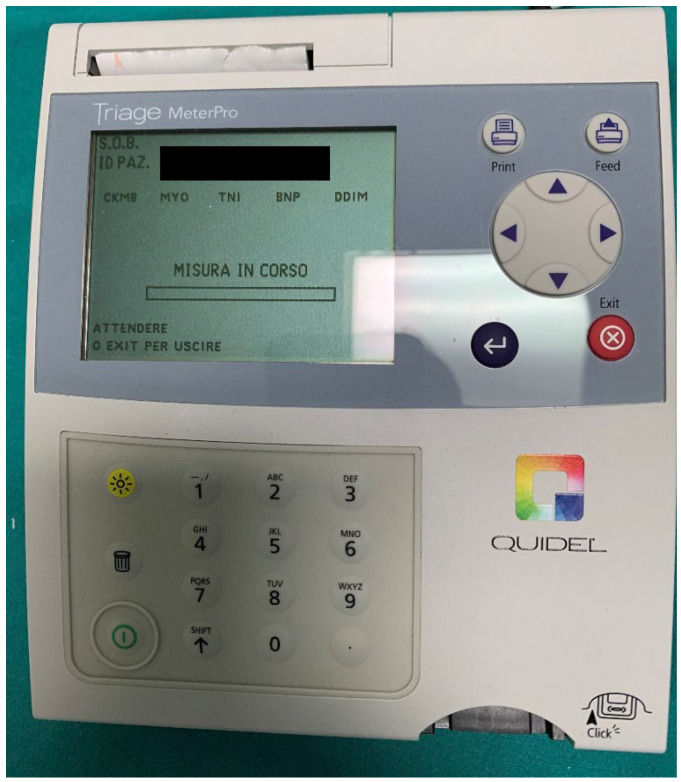
Methods: This study analyzed 5 cardiac markers (creatine kinase-MB [CK-MB], myoglobin, troponin I [TnI], BNP, and D-dimer) in peripheral blood samples from 42 autopsied cadavers, divided into an SCD group and a control group. Marker levels were quantified using immunofluorescence, with cases meticulously selected to exclude confounding factors such as chronic diseases, pulmonary thromboembolism, and drowning. The study also accounted for potential degradation due to PMI, and evaluated the accuracy of point-of-care testing (POCT) in forensic samples.
Results: The study identified statistically significant differences in myoglobin and TnI levels between the SCD group and the control group, though myoglobin's diagnostic reliability remains limited due to its lack of specificity for myocardial injury. TnI emerged as a more robust marker for SCD. Contrary to prior concerns, PMI showed no significant correlation with marker levels in samples handled without freeze-thaw cycles. Issues related to hemolysis were addressed, and no significant effects were observed from resuscitation maneuvers.
Conclusions: This study supports the potential use of cardiac markers, particularly TnI, in peripheral blood for postmortem SCD diagnosis, emphasizing the importance of rapid and systematic analysis to minimize hemolysis-related variability. While further validation is needed to confirm these findings, this approach offers a less invasive, economical, and practical method for forensic investigations.
BiomedicinesBiochemistry, Genetics and Molecular Biology-General Biochemistry,Genetics and Molecular Biology
CiteScore
5.20
自引率
8.50%
发文量
2823
审稿时长
8 weeks
期刊介绍:
Biomedicines (ISSN 2227-9059; CODEN: BIOMID) is an international, scientific, open access journal on biomedicines published quarterly online by MDPI.






 京公网安备 11010802042870号
京ICP备2023020795号-1
京公网安备 11010802042870号
京ICP备2023020795号-1

 分享
分享
 求助内容:
求助内容: 应助结果提醒方式:
 扫码关注我们
