{"title":"胆管癌的免疫基因组学:开发新型免疫疗法的生物学足迹。","authors":"Antonella Cammarota, Rita Balsano, Tiziana Pressiani, Silvia Bozzarelli, Lorenza Rimassa, Ana Lleo","doi":"10.3390/cancers17020272","DOIUrl":null,"url":null,"abstract":"<p><p>Cholangiocarcinoma (CCA) represents approximately 3% of all gastrointestinal cancers and is a highly heterogeneous and aggressive malignancy originating from the epithelial cells of the biliary tree. CCA is classified by anatomical location into intrahepatic (iCCA), extrahepatic (eCCA), gallbladder cancer (GBC), and ampullary cancers. Although considered a rare tumor, CCA incidence has risen globally, particularly due to the increased diagnosis of iCCA. Genomic and immune profiling studies have revealed significant heterogeneity within CCA, leading to the identification of molecular subtypes and actionable genetic alterations in 40-60% of cases, particularly in iCCA. Among these, <i>FGFR2</i> rearrangements or fusions (7-15%) and <i>IDH1</i> mutations (10-20%) are common in iCCA, while <i>HER2</i> amplifications/overexpression are more frequent in eCCA and GBC. The tumor-immune microenvironment (TIME) of CCAs plays an active role in the pathogenesis and progression of the disease, creating a complex and plastic environment dominated by immune-suppressive populations. Among these, cancer-associated fibroblasts (CAFs) are a key component of the TIME and are associated with worse survival due to their role in maintaining a poorly immunogenic landscape through the deposition of stiff extracellular matrix and release of pro-tumor soluble factors. Improved understanding of CCA tumor biology has driven the development of novel treatments. Combination therapies of cisplatin and gemcitabine with immune checkpoint inhibitors (ICIs) have replaced the decade-long standard doublet chemotherapy, becoming the new standard of care in patients with advanced CCA. However, the survival improvements remain modest prompting research into more effective ways to target the TIME of CCAs. As key mechanisms of immune evasion in CCA are uncovered, novel immune molecules emerge as potential therapeutic targets. Current studies are exploring strategies targeting multiple immune checkpoints, angiogenesis, and tumor-specific antigens that contribute to immune escape. Additionally, the success of ICIs in advanced CCA has led to interest in their application in earlier stages of the disease, such as in adjuvant and neoadjuvant settings. This review offers a comprehensive overview of the immune biology of CCAs and examines how this knowledge has guided clinical drug development, with a focus on both approved and emergent treatment strategies.</p>","PeriodicalId":9681,"journal":{"name":"Cancers","volume":"17 2","pages":""},"PeriodicalIF":4.8000,"publicationDate":"2025-01-15","publicationTypes":"Journal Article","fieldsOfStudy":null,"isOpenAccess":false,"openAccessPdf":"https://www.ncbi.nlm.nih.gov/pmc/articles/PMC11763448/pdf/","citationCount":"0","resultStr":"{\"title\":\"The Immune-Genomics of Cholangiocarcinoma: A Biological Footprint to Develop Novel Immunotherapies.\",\"authors\":\"Antonella Cammarota, Rita Balsano, Tiziana Pressiani, Silvia Bozzarelli, Lorenza Rimassa, Ana Lleo\",\"doi\":\"10.3390/cancers17020272\",\"DOIUrl\":null,\"url\":null,\"abstract\":\"<p><p>Cholangiocarcinoma (CCA) represents approximately 3% of all gastrointestinal cancers and is a highly heterogeneous and aggressive malignancy originating from the epithelial cells of the biliary tree. CCA is classified by anatomical location into intrahepatic (iCCA), extrahepatic (eCCA), gallbladder cancer (GBC), and ampullary cancers. Although considered a rare tumor, CCA incidence has risen globally, particularly due to the increased diagnosis of iCCA. Genomic and immune profiling studies have revealed significant heterogeneity within CCA, leading to the identification of molecular subtypes and actionable genetic alterations in 40-60% of cases, particularly in iCCA. Among these, <i>FGFR2</i> rearrangements or fusions (7-15%) and <i>IDH1</i> mutations (10-20%) are common in iCCA, while <i>HER2</i> amplifications/overexpression are more frequent in eCCA and GBC. The tumor-immune microenvironment (TIME) of CCAs plays an active role in the pathogenesis and progression of the disease, creating a complex and plastic environment dominated by immune-suppressive populations. Among these, cancer-associated fibroblasts (CAFs) are a key component of the TIME and are associated with worse survival due to their role in maintaining a poorly immunogenic landscape through the deposition of stiff extracellular matrix and release of pro-tumor soluble factors. Improved understanding of CCA tumor biology has driven the development of novel treatments. Combination therapies of cisplatin and gemcitabine with immune checkpoint inhibitors (ICIs) have replaced the decade-long standard doublet chemotherapy, becoming the new standard of care in patients with advanced CCA. However, the survival improvements remain modest prompting research into more effective ways to target the TIME of CCAs. As key mechanisms of immune evasion in CCA are uncovered, novel immune molecules emerge as potential therapeutic targets. Current studies are exploring strategies targeting multiple immune checkpoints, angiogenesis, and tumor-specific antigens that contribute to immune escape. Additionally, the success of ICIs in advanced CCA has led to interest in their application in earlier stages of the disease, such as in adjuvant and neoadjuvant settings. This review offers a comprehensive overview of the immune biology of CCAs and examines how this knowledge has guided clinical drug development, with a focus on both approved and emergent treatment strategies.</p>\",\"PeriodicalId\":9681,\"journal\":{\"name\":\"Cancers\",\"volume\":\"17 2\",\"pages\":\"\"},\"PeriodicalIF\":4.8000,\"publicationDate\":\"2025-01-15\",\"publicationTypes\":\"Journal Article\",\"fieldsOfStudy\":null,\"isOpenAccess\":false,\"openAccessPdf\":\"https://www.ncbi.nlm.nih.gov/pmc/articles/PMC11763448/pdf/\",\"citationCount\":\"0\",\"resultStr\":null,\"platform\":\"Semanticscholar\",\"paperid\":null,\"PeriodicalName\":\"Cancers\",\"FirstCategoryId\":\"3\",\"ListUrlMain\":\"https://doi.org/10.3390/cancers17020272\",\"RegionNum\":2,\"RegionCategory\":\"医学\",\"ArticlePicture\":[],\"TitleCN\":null,\"AbstractTextCN\":null,\"PMCID\":null,\"EPubDate\":\"\",\"PubModel\":\"\",\"JCR\":\"Q1\",\"JCRName\":\"ONCOLOGY\",\"Score\":null,\"Total\":0}","platform":"Semanticscholar","paperid":null,"PeriodicalName":"Cancers","FirstCategoryId":"3","ListUrlMain":"https://doi.org/10.3390/cancers17020272","RegionNum":2,"RegionCategory":"医学","ArticlePicture":[],"TitleCN":null,"AbstractTextCN":null,"PMCID":null,"EPubDate":"","PubModel":"","JCR":"Q1","JCRName":"ONCOLOGY","Score":null,"Total":0}
The Immune-Genomics of Cholangiocarcinoma: A Biological Footprint to Develop Novel Immunotherapies.
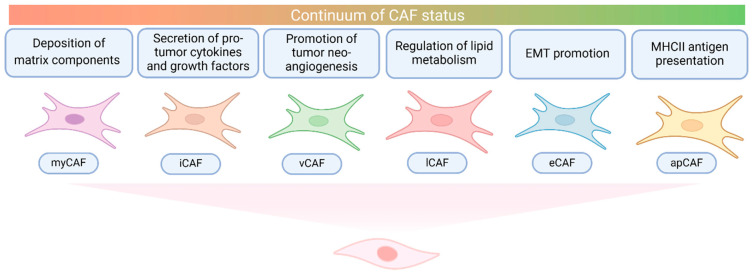
Cholangiocarcinoma (CCA) represents approximately 3% of all gastrointestinal cancers and is a highly heterogeneous and aggressive malignancy originating from the epithelial cells of the biliary tree. CCA is classified by anatomical location into intrahepatic (iCCA), extrahepatic (eCCA), gallbladder cancer (GBC), and ampullary cancers. Although considered a rare tumor, CCA incidence has risen globally, particularly due to the increased diagnosis of iCCA. Genomic and immune profiling studies have revealed significant heterogeneity within CCA, leading to the identification of molecular subtypes and actionable genetic alterations in 40-60% of cases, particularly in iCCA. Among these, FGFR2 rearrangements or fusions (7-15%) and IDH1 mutations (10-20%) are common in iCCA, while HER2 amplifications/overexpression are more frequent in eCCA and GBC. The tumor-immune microenvironment (TIME) of CCAs plays an active role in the pathogenesis and progression of the disease, creating a complex and plastic environment dominated by immune-suppressive populations. Among these, cancer-associated fibroblasts (CAFs) are a key component of the TIME and are associated with worse survival due to their role in maintaining a poorly immunogenic landscape through the deposition of stiff extracellular matrix and release of pro-tumor soluble factors. Improved understanding of CCA tumor biology has driven the development of novel treatments. Combination therapies of cisplatin and gemcitabine with immune checkpoint inhibitors (ICIs) have replaced the decade-long standard doublet chemotherapy, becoming the new standard of care in patients with advanced CCA. However, the survival improvements remain modest prompting research into more effective ways to target the TIME of CCAs. As key mechanisms of immune evasion in CCA are uncovered, novel immune molecules emerge as potential therapeutic targets. Current studies are exploring strategies targeting multiple immune checkpoints, angiogenesis, and tumor-specific antigens that contribute to immune escape. Additionally, the success of ICIs in advanced CCA has led to interest in their application in earlier stages of the disease, such as in adjuvant and neoadjuvant settings. This review offers a comprehensive overview of the immune biology of CCAs and examines how this knowledge has guided clinical drug development, with a focus on both approved and emergent treatment strategies.
期刊介绍:
Cancers (ISSN 2072-6694) is an international, peer-reviewed open access journal on oncology. It publishes reviews, regular research papers and short communications. Our aim is to encourage scientists to publish their experimental and theoretical results in as much detail as possible. There is no restriction on the length of the papers. The full experimental details must be provided so that the results can be reproduced.





 京公网安备 11010802042870号
京ICP备2023020795号-1
京公网安备 11010802042870号
京ICP备2023020795号-1

 分享
分享
 求助内容:
求助内容: 应助结果提醒方式:
 扫码关注我们
