Renata Travassos da Rosa Moreira Bastos, Eduardo Oliveira da Costa, Lucca Sicilia, David Normando
{"title":"亚马逊地区偏远土著居民牙齿脱落的发生率:贝罗蒙特大坝前后13年的队列研究。","authors":"Renata Travassos da Rosa Moreira Bastos, Eduardo Oliveira da Costa, Lucca Sicilia, David Normando","doi":"10.3390/ijerph22010128","DOIUrl":null,"url":null,"abstract":"<p><p>Tooth loss among indigenous people in the Amazon emphasizes the need for culturally appropriate oral health interventions. The objective of this study was to analyze the incidence of tooth loss in two remote Amazon indigenous populations. This prospective cohort evaluated a total of 47 indigenous in the permanent dentition at T0 and thirteen years later (T1) from two villages, Arara-Laranjal (n = 28, mean age 16.1 and 29.9 years) and Assurini do Xingu (n = 19, mean age 15.9 and 29.5 years), of different ethnic groups. A multilevel Poisson regression model assessed the influence of village, sex, and age on tooth loss. At T0, the indigenous people had all their permanent teeth. Forty-two lost at least one tooth (89%), and a total of 172 teeth were lost at T1 at an incidence of 97% among females and 76% in males. There was no influence of ethnicity on tooth loss (<i>p</i> = 1.000). A lower risk of tooth loss was associated with male subjects (β = -0.50, <i>p</i> < 0.05) but not with age. In females (22/46.8%) and males (11/23.4%), the highest incidence of tooth loss was the lower second molars. The risk was higher among females, and there was no influence on age, village, or ethnicity. The second and first molars were the most affected teeth. These findings suggest an increase in tooth loss caused by close contact between indigenous and urban populations.</p>","PeriodicalId":49056,"journal":{"name":"International Journal of Environmental Research and Public Health","volume":"22 1","pages":""},"PeriodicalIF":0.0000,"publicationDate":"2025-01-20","publicationTypes":"Journal Article","fieldsOfStudy":null,"isOpenAccess":false,"openAccessPdf":"https://www.ncbi.nlm.nih.gov/pmc/articles/PMC11764722/pdf/","citationCount":"0","resultStr":"{\"title\":\"Incidence of Tooth Loss in Remote Indigenous Populations of the Amazon Region: A 13-Year Cohort Study Before and After Belo Monte Dam.\",\"authors\":\"Renata Travassos da Rosa Moreira Bastos, Eduardo Oliveira da Costa, Lucca Sicilia, David Normando\",\"doi\":\"10.3390/ijerph22010128\",\"DOIUrl\":null,\"url\":null,\"abstract\":\"<p><p>Tooth loss among indigenous people in the Amazon emphasizes the need for culturally appropriate oral health interventions. The objective of this study was to analyze the incidence of tooth loss in two remote Amazon indigenous populations. This prospective cohort evaluated a total of 47 indigenous in the permanent dentition at T0 and thirteen years later (T1) from two villages, Arara-Laranjal (n = 28, mean age 16.1 and 29.9 years) and Assurini do Xingu (n = 19, mean age 15.9 and 29.5 years), of different ethnic groups. A multilevel Poisson regression model assessed the influence of village, sex, and age on tooth loss. At T0, the indigenous people had all their permanent teeth. Forty-two lost at least one tooth (89%), and a total of 172 teeth were lost at T1 at an incidence of 97% among females and 76% in males. There was no influence of ethnicity on tooth loss (<i>p</i> = 1.000). A lower risk of tooth loss was associated with male subjects (β = -0.50, <i>p</i> < 0.05) but not with age. In females (22/46.8%) and males (11/23.4%), the highest incidence of tooth loss was the lower second molars. The risk was higher among females, and there was no influence on age, village, or ethnicity. The second and first molars were the most affected teeth. These findings suggest an increase in tooth loss caused by close contact between indigenous and urban populations.</p>\",\"PeriodicalId\":49056,\"journal\":{\"name\":\"International Journal of Environmental Research and Public Health\",\"volume\":\"22 1\",\"pages\":\"\"},\"PeriodicalIF\":0.0000,\"publicationDate\":\"2025-01-20\",\"publicationTypes\":\"Journal Article\",\"fieldsOfStudy\":null,\"isOpenAccess\":false,\"openAccessPdf\":\"https://www.ncbi.nlm.nih.gov/pmc/articles/PMC11764722/pdf/\",\"citationCount\":\"0\",\"resultStr\":null,\"platform\":\"Semanticscholar\",\"paperid\":null,\"PeriodicalName\":\"International Journal of Environmental Research and Public Health\",\"FirstCategoryId\":\"103\",\"ListUrlMain\":\"https://doi.org/10.3390/ijerph22010128\",\"RegionNum\":3,\"RegionCategory\":\"综合性期刊\",\"ArticlePicture\":[],\"TitleCN\":null,\"AbstractTextCN\":null,\"PMCID\":null,\"EPubDate\":\"\",\"PubModel\":\"\",\"JCR\":\"\",\"JCRName\":\"\",\"Score\":null,\"Total\":0}","platform":"Semanticscholar","paperid":null,"PeriodicalName":"International Journal of Environmental Research and Public Health","FirstCategoryId":"103","ListUrlMain":"https://doi.org/10.3390/ijerph22010128","RegionNum":3,"RegionCategory":"综合性期刊","ArticlePicture":[],"TitleCN":null,"AbstractTextCN":null,"PMCID":null,"EPubDate":"","PubModel":"","JCR":"","JCRName":"","Score":null,"Total":0}
引用次数: 0
摘要
亚马逊地区土著居民的牙齿脱落问题强调需要采取文化上适当的口腔健康干预措施。本研究的目的是分析两个偏远的亚马逊土著人口牙齿脱落的发生率。该前瞻性队列研究共评估了47名来自不同族群的土著居民,分别来自Arara-Laranjal村(n = 28,平均年龄16.1和29.9岁)和Assurini do Xingu村(n = 19,平均年龄15.9和29.5岁)。采用多水平泊松回归模型评估村庄、性别和年龄对牙齿脱落的影响。10岁时,土著人的恒牙都长出来了。42例至少丢失一颗牙齿(89%),T1时总共丢失172颗牙齿,女性发生率为97%,男性为76%。种族对牙齿脱落没有影响(p = 1.000)。男性受试者的牙齿脱落风险较低(β = -0.50, p < 0.05),但与年龄无关。在女性(22/46.8%)和男性(11/23.4%)中,下第二磨牙的发生率最高。女性患病风险较高,且与年龄、村庄或种族无关。第二和第一磨牙是受影响最严重的牙齿。这些发现表明,土著居民和城市人口之间的密切接触导致牙齿脱落的增加。
Incidence of Tooth Loss in Remote Indigenous Populations of the Amazon Region: A 13-Year Cohort Study Before and After Belo Monte Dam.
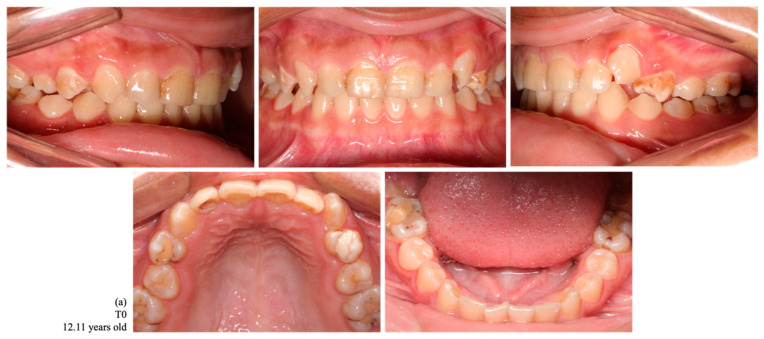
Tooth loss among indigenous people in the Amazon emphasizes the need for culturally appropriate oral health interventions. The objective of this study was to analyze the incidence of tooth loss in two remote Amazon indigenous populations. This prospective cohort evaluated a total of 47 indigenous in the permanent dentition at T0 and thirteen years later (T1) from two villages, Arara-Laranjal (n = 28, mean age 16.1 and 29.9 years) and Assurini do Xingu (n = 19, mean age 15.9 and 29.5 years), of different ethnic groups. A multilevel Poisson regression model assessed the influence of village, sex, and age on tooth loss. At T0, the indigenous people had all their permanent teeth. Forty-two lost at least one tooth (89%), and a total of 172 teeth were lost at T1 at an incidence of 97% among females and 76% in males. There was no influence of ethnicity on tooth loss (p = 1.000). A lower risk of tooth loss was associated with male subjects (β = -0.50, p < 0.05) but not with age. In females (22/46.8%) and males (11/23.4%), the highest incidence of tooth loss was the lower second molars. The risk was higher among females, and there was no influence on age, village, or ethnicity. The second and first molars were the most affected teeth. These findings suggest an increase in tooth loss caused by close contact between indigenous and urban populations.
期刊介绍:
International Journal of Environmental Research and Public Health (IJERPH) (ISSN 1660-4601) is a peer-reviewed scientific journal that publishes original articles, critical reviews, research notes, and short communications in the interdisciplinary area of environmental health sciences and public health. It links several scientific disciplines including biology, biochemistry, biotechnology, cellular and molecular biology, chemistry, computer science, ecology, engineering, epidemiology, genetics, immunology, microbiology, oncology, pathology, pharmacology, and toxicology, in an integrated fashion, to address critical issues related to environmental quality and public health. Therefore, IJERPH focuses on the publication of scientific and technical information on the impacts of natural phenomena and anthropogenic factors on the quality of our environment, the interrelationships between environmental health and the quality of life, as well as the socio-cultural, political, economic, and legal considerations related to environmental stewardship and public health.
The 2018 IJERPH Outstanding Reviewer Award has been launched! This award acknowledge those who have generously dedicated their time to review manuscripts submitted to IJERPH. See full details at http://www.mdpi.com/journal/ijerph/awards.






 京公网安备 11010802042870号
京ICP备2023020795号-1
京公网安备 11010802042870号
京ICP备2023020795号-1

 分享
分享
 求助内容:
求助内容: 应助结果提醒方式:
 扫码关注我们
