Jose Luis Estela-Zape, Valeria Sanclemente-Cardoza, Leidy Tatiana Ordoñez-Mora
{"title":"远程康复方案改善covid -19后患者功能的效果","authors":"Jose Luis Estela-Zape, Valeria Sanclemente-Cardoza, Leidy Tatiana Ordoñez-Mora","doi":"10.3390/life15010044","DOIUrl":null,"url":null,"abstract":"<p><strong>Background and aims: </strong>Telerehabilitation is essential for the recovery of post-COVID-19 patients, improving exercise tolerance, dyspnea, functional capacity, and daily activity performance. This study aimed to describe telerehabilitation protocols specifically designed for individuals with post-COVID-19 sequelae.</p><p><strong>Materials and methods: </strong>A systematic review was conducted with registration number CRD42023423678, based on searches developed in the following databases: ScienceDirect, Scopus, Dimensions.ai and PubMed, using keywords such as \"telerehabilitation\" and \"COVID-19\". The final search date was July 2024. The selection of studies involved an initial calibration process, followed by independent filtering by the researchers. The selection criteria were applied prior to critical appraisal, data extraction, and the risk of bias assessment.</p><p><strong>Results: </strong>After reviewing 405 full-text papers, 14 articles were included that focused on telerehabilitation interventions for post-COVID-19 patients. These interventions were designed for remote delivery and included exercise protocols, vital sign monitoring, and virtual supervision by physical therapists. The studies reported improvements in physical function, muscle performance, lung capacity, and psychological outcomes. Significant gains were observed in strength, mobility, and functional capacity, as well as reductions in dyspnea, fatigue, and improvements in quality of life, particularly in social domains. Intervention protocols included aerobic, strength, and respiratory exercises, monitored using tools such as heart rate monitors and smartphones.</p><p><strong>Conclusions: </strong>Telerehabilitation positively impacts lung volumes, pulmonary capacities, dyspnea reduction, functionality, muscle performance, and independence in post-COVID-19 patients.</p>","PeriodicalId":56144,"journal":{"name":"Life-Basel","volume":"15 1","pages":""},"PeriodicalIF":3.9000,"publicationDate":"2025-01-01","publicationTypes":"Journal Article","fieldsOfStudy":null,"isOpenAccess":false,"openAccessPdf":"https://www.ncbi.nlm.nih.gov/pmc/articles/PMC11766824/pdf/","citationCount":"0","resultStr":"{\"title\":\"Efficacy of Telerehabilitation Protocols for Improving Functionality in Post-COVID-19 Patients.\",\"authors\":\"Jose Luis Estela-Zape, Valeria Sanclemente-Cardoza, Leidy Tatiana Ordoñez-Mora\",\"doi\":\"10.3390/life15010044\",\"DOIUrl\":null,\"url\":null,\"abstract\":\"<p><strong>Background and aims: </strong>Telerehabilitation is essential for the recovery of post-COVID-19 patients, improving exercise tolerance, dyspnea, functional capacity, and daily activity performance. This study aimed to describe telerehabilitation protocols specifically designed for individuals with post-COVID-19 sequelae.</p><p><strong>Materials and methods: </strong>A systematic review was conducted with registration number CRD42023423678, based on searches developed in the following databases: ScienceDirect, Scopus, Dimensions.ai and PubMed, using keywords such as \\\"telerehabilitation\\\" and \\\"COVID-19\\\". The final search date was July 2024. The selection of studies involved an initial calibration process, followed by independent filtering by the researchers. The selection criteria were applied prior to critical appraisal, data extraction, and the risk of bias assessment.</p><p><strong>Results: </strong>After reviewing 405 full-text papers, 14 articles were included that focused on telerehabilitation interventions for post-COVID-19 patients. These interventions were designed for remote delivery and included exercise protocols, vital sign monitoring, and virtual supervision by physical therapists. The studies reported improvements in physical function, muscle performance, lung capacity, and psychological outcomes. Significant gains were observed in strength, mobility, and functional capacity, as well as reductions in dyspnea, fatigue, and improvements in quality of life, particularly in social domains. Intervention protocols included aerobic, strength, and respiratory exercises, monitored using tools such as heart rate monitors and smartphones.</p><p><strong>Conclusions: </strong>Telerehabilitation positively impacts lung volumes, pulmonary capacities, dyspnea reduction, functionality, muscle performance, and independence in post-COVID-19 patients.</p>\",\"PeriodicalId\":56144,\"journal\":{\"name\":\"Life-Basel\",\"volume\":\"15 1\",\"pages\":\"\"},\"PeriodicalIF\":3.9000,\"publicationDate\":\"2025-01-01\",\"publicationTypes\":\"Journal Article\",\"fieldsOfStudy\":null,\"isOpenAccess\":false,\"openAccessPdf\":\"https://www.ncbi.nlm.nih.gov/pmc/articles/PMC11766824/pdf/\",\"citationCount\":\"0\",\"resultStr\":null,\"platform\":\"Semanticscholar\",\"paperid\":null,\"PeriodicalName\":\"Life-Basel\",\"FirstCategoryId\":\"99\",\"ListUrlMain\":\"https://doi.org/10.3390/life15010044\",\"RegionNum\":3,\"RegionCategory\":\"生物学\",\"ArticlePicture\":[],\"TitleCN\":null,\"AbstractTextCN\":null,\"PMCID\":null,\"EPubDate\":\"\",\"PubModel\":\"\",\"JCR\":\"Q1\",\"JCRName\":\"BIOLOGY\",\"Score\":null,\"Total\":0}","platform":"Semanticscholar","paperid":null,"PeriodicalName":"Life-Basel","FirstCategoryId":"99","ListUrlMain":"https://doi.org/10.3390/life15010044","RegionNum":3,"RegionCategory":"生物学","ArticlePicture":[],"TitleCN":null,"AbstractTextCN":null,"PMCID":null,"EPubDate":"","PubModel":"","JCR":"Q1","JCRName":"BIOLOGY","Score":null,"Total":0}
Efficacy of Telerehabilitation Protocols for Improving Functionality in Post-COVID-19 Patients.
Background and aims: Telerehabilitation is essential for the recovery of post-COVID-19 patients, improving exercise tolerance, dyspnea, functional capacity, and daily activity performance. This study aimed to describe telerehabilitation protocols specifically designed for individuals with post-COVID-19 sequelae.
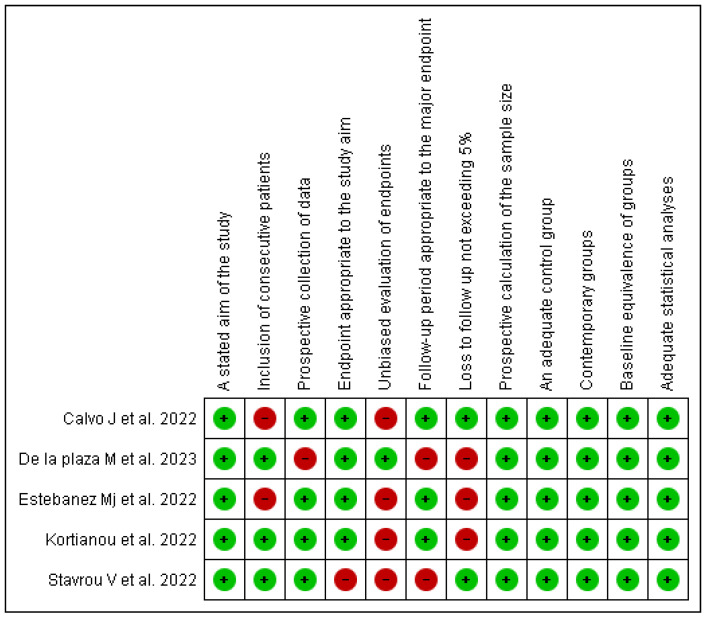
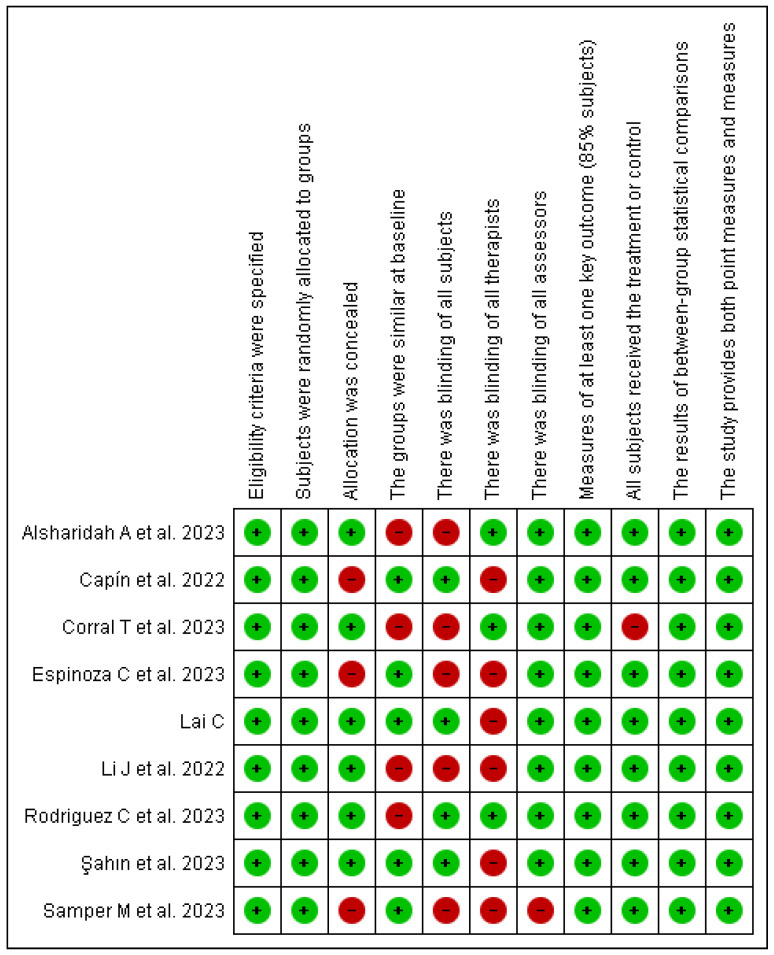
Materials and methods: A systematic review was conducted with registration number CRD42023423678, based on searches developed in the following databases: ScienceDirect, Scopus, Dimensions.ai and PubMed, using keywords such as "telerehabilitation" and "COVID-19". The final search date was July 2024. The selection of studies involved an initial calibration process, followed by independent filtering by the researchers. The selection criteria were applied prior to critical appraisal, data extraction, and the risk of bias assessment.
Results: After reviewing 405 full-text papers, 14 articles were included that focused on telerehabilitation interventions for post-COVID-19 patients. These interventions were designed for remote delivery and included exercise protocols, vital sign monitoring, and virtual supervision by physical therapists. The studies reported improvements in physical function, muscle performance, lung capacity, and psychological outcomes. Significant gains were observed in strength, mobility, and functional capacity, as well as reductions in dyspnea, fatigue, and improvements in quality of life, particularly in social domains. Intervention protocols included aerobic, strength, and respiratory exercises, monitored using tools such as heart rate monitors and smartphones.
Conclusions: Telerehabilitation positively impacts lung volumes, pulmonary capacities, dyspnea reduction, functionality, muscle performance, and independence in post-COVID-19 patients.
Life-BaselBiochemistry, Genetics and Molecular Biology-General Biochemistry,Genetics and Molecular Biology
CiteScore
4.30
自引率
6.20%
发文量
1798
审稿时长
11 weeks
期刊介绍:
Life (ISSN 2075-1729) is an international, peer-reviewed open access journal of scientific studies related to fundamental themes in Life Sciences, especially those concerned with the origins of life and evolution of biosystems. Our aim is to encourage scientists to publish their experimental and theoretical results in as much detail as possible. There is no restriction on the length of the papers.






 京公网安备 11010802042870号
京ICP备2023020795号-1
京公网安备 11010802042870号
京ICP备2023020795号-1

 分享
分享
 求助内容:
求助内容: 应助结果提醒方式:
 扫码关注我们
