{"title":"计划生育在提高社区抗灾能力方面的作用:来自埃塞俄比亚受干旱影响的青年和妇女的见解。","authors":"Muluken Dessalegn Muluneh, Woldu Kidane, Sintayehu Abebe, Virginia Stulz, Misrak Makonnen, Makida Berhan","doi":"10.3390/ijerph22010053","DOIUrl":null,"url":null,"abstract":"<p><p>This study assesses the role of family planning (FP) in resilience building among youths and women in Ethiopia's drought-affected and food-insecure regions. A mixed-method comparative cross-sectional study design with a total of 1712 study participants with an equal 1:1 ratio of the intervention and control groups was used. Binary logistic regression analysis was carried out to identify factors associated with community resilience. More participants in the intervention districts (58.3%) than in the control districts (49%) were currently using FP services. Approximately 54.1% of the intervention group and 43.6% of the control group were able to pay for food and shelter. Two-thirds of the intervention respondents and half of the control respondents had good social cohesion. The food consumption scores for the intervention and control districts were 26.2 and 24.9, respectively. Additionally, 62.5% of the intervention and 53.5% of the control respondents were found to have a good level of community level resilience. FP use (AOR = 3.4, 95% CI: 1.78-6.49), good social cohesion (AOR = 7.9, 95% CI: 6.09-10.23) and productive assets (AOR = 1.4, 95% CI: 1.07-1.92) were significantly associated with community resilience. To enhance community resilience comprehensively, expanding FP services should empower women in decision-making processes, cultivate ties and promote collaborative efforts across different sectors.</p>","PeriodicalId":49056,"journal":{"name":"International Journal of Environmental Research and Public Health","volume":"22 1","pages":""},"PeriodicalIF":0.0000,"publicationDate":"2025-01-01","publicationTypes":"Journal Article","fieldsOfStudy":null,"isOpenAccess":false,"openAccessPdf":"https://www.ncbi.nlm.nih.gov/pmc/articles/PMC11765338/pdf/","citationCount":"0","resultStr":"{\"title\":\"The Role of Family Planning in Enhancing Community Resilience: Insights from Drought-Affected Youths and Women in Ethiopia.\",\"authors\":\"Muluken Dessalegn Muluneh, Woldu Kidane, Sintayehu Abebe, Virginia Stulz, Misrak Makonnen, Makida Berhan\",\"doi\":\"10.3390/ijerph22010053\",\"DOIUrl\":null,\"url\":null,\"abstract\":\"<p><p>This study assesses the role of family planning (FP) in resilience building among youths and women in Ethiopia's drought-affected and food-insecure regions. A mixed-method comparative cross-sectional study design with a total of 1712 study participants with an equal 1:1 ratio of the intervention and control groups was used. Binary logistic regression analysis was carried out to identify factors associated with community resilience. More participants in the intervention districts (58.3%) than in the control districts (49%) were currently using FP services. Approximately 54.1% of the intervention group and 43.6% of the control group were able to pay for food and shelter. Two-thirds of the intervention respondents and half of the control respondents had good social cohesion. The food consumption scores for the intervention and control districts were 26.2 and 24.9, respectively. Additionally, 62.5% of the intervention and 53.5% of the control respondents were found to have a good level of community level resilience. FP use (AOR = 3.4, 95% CI: 1.78-6.49), good social cohesion (AOR = 7.9, 95% CI: 6.09-10.23) and productive assets (AOR = 1.4, 95% CI: 1.07-1.92) were significantly associated with community resilience. To enhance community resilience comprehensively, expanding FP services should empower women in decision-making processes, cultivate ties and promote collaborative efforts across different sectors.</p>\",\"PeriodicalId\":49056,\"journal\":{\"name\":\"International Journal of Environmental Research and Public Health\",\"volume\":\"22 1\",\"pages\":\"\"},\"PeriodicalIF\":0.0000,\"publicationDate\":\"2025-01-01\",\"publicationTypes\":\"Journal Article\",\"fieldsOfStudy\":null,\"isOpenAccess\":false,\"openAccessPdf\":\"https://www.ncbi.nlm.nih.gov/pmc/articles/PMC11765338/pdf/\",\"citationCount\":\"0\",\"resultStr\":null,\"platform\":\"Semanticscholar\",\"paperid\":null,\"PeriodicalName\":\"International Journal of Environmental Research and Public Health\",\"FirstCategoryId\":\"103\",\"ListUrlMain\":\"https://doi.org/10.3390/ijerph22010053\",\"RegionNum\":3,\"RegionCategory\":\"综合性期刊\",\"ArticlePicture\":[],\"TitleCN\":null,\"AbstractTextCN\":null,\"PMCID\":null,\"EPubDate\":\"\",\"PubModel\":\"\",\"JCR\":\"\",\"JCRName\":\"\",\"Score\":null,\"Total\":0}","platform":"Semanticscholar","paperid":null,"PeriodicalName":"International Journal of Environmental Research and Public Health","FirstCategoryId":"103","ListUrlMain":"https://doi.org/10.3390/ijerph22010053","RegionNum":3,"RegionCategory":"综合性期刊","ArticlePicture":[],"TitleCN":null,"AbstractTextCN":null,"PMCID":null,"EPubDate":"","PubModel":"","JCR":"","JCRName":"","Score":null,"Total":0}
The Role of Family Planning in Enhancing Community Resilience: Insights from Drought-Affected Youths and Women in Ethiopia.
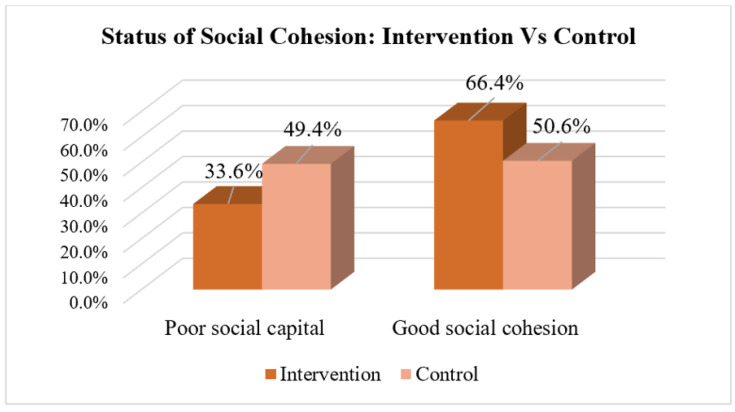
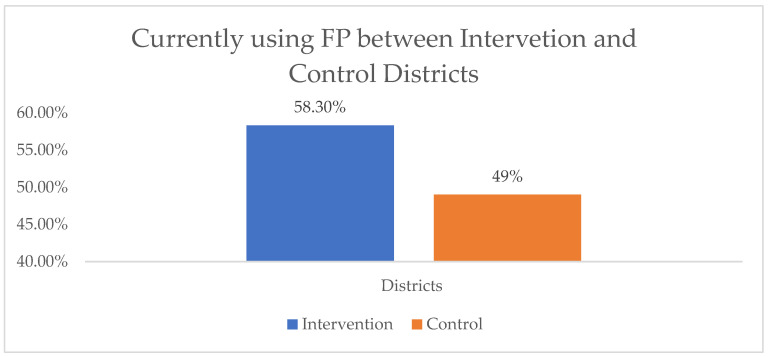
This study assesses the role of family planning (FP) in resilience building among youths and women in Ethiopia's drought-affected and food-insecure regions. A mixed-method comparative cross-sectional study design with a total of 1712 study participants with an equal 1:1 ratio of the intervention and control groups was used. Binary logistic regression analysis was carried out to identify factors associated with community resilience. More participants in the intervention districts (58.3%) than in the control districts (49%) were currently using FP services. Approximately 54.1% of the intervention group and 43.6% of the control group were able to pay for food and shelter. Two-thirds of the intervention respondents and half of the control respondents had good social cohesion. The food consumption scores for the intervention and control districts were 26.2 and 24.9, respectively. Additionally, 62.5% of the intervention and 53.5% of the control respondents were found to have a good level of community level resilience. FP use (AOR = 3.4, 95% CI: 1.78-6.49), good social cohesion (AOR = 7.9, 95% CI: 6.09-10.23) and productive assets (AOR = 1.4, 95% CI: 1.07-1.92) were significantly associated with community resilience. To enhance community resilience comprehensively, expanding FP services should empower women in decision-making processes, cultivate ties and promote collaborative efforts across different sectors.
期刊介绍:
International Journal of Environmental Research and Public Health (IJERPH) (ISSN 1660-4601) is a peer-reviewed scientific journal that publishes original articles, critical reviews, research notes, and short communications in the interdisciplinary area of environmental health sciences and public health. It links several scientific disciplines including biology, biochemistry, biotechnology, cellular and molecular biology, chemistry, computer science, ecology, engineering, epidemiology, genetics, immunology, microbiology, oncology, pathology, pharmacology, and toxicology, in an integrated fashion, to address critical issues related to environmental quality and public health. Therefore, IJERPH focuses on the publication of scientific and technical information on the impacts of natural phenomena and anthropogenic factors on the quality of our environment, the interrelationships between environmental health and the quality of life, as well as the socio-cultural, political, economic, and legal considerations related to environmental stewardship and public health.
The 2018 IJERPH Outstanding Reviewer Award has been launched! This award acknowledge those who have generously dedicated their time to review manuscripts submitted to IJERPH. See full details at http://www.mdpi.com/journal/ijerph/awards.





 京公网安备 11010802042870号
京ICP备2023020795号-1
京公网安备 11010802042870号
京ICP备2023020795号-1

 分享
分享
 求助内容:
求助内容: 应助结果提醒方式:
 扫码关注我们
