{"title":"IL-6和tnf - α生物标志物在预测急性缺血性卒中患者残疾结局中的作用","authors":"Ciprian-Ionuț Băcilă, Maria-Gabriela Vlădoiu, Mădălina Văleanu, Doru-Florian-Cornel Moga, Pia-Manuela Pumnea","doi":"10.3390/life15010047","DOIUrl":null,"url":null,"abstract":"<p><strong>Introduction: </strong>Inflammatory biomarkers, including Interleukin-6 (IL-6) and Tumor Necrosis Factor-alpha (TNF-alpha), play a significant role in influencing stroke outcomes, particularly in the progression of post-stroke disability. While numerous studies have suggested a correlation between elevated levels of these cytokines and poor functional recovery, further investigation is needed to understand their prognostic value in acute ischemic stroke.</p><p><strong>Materials and methods: </strong>We conducted a prospective study on 56 patients diagnosed with acute ischemic stroke, evaluating IL-6 and TNF-alpha levels on days 1 and 7 post symptom onset. Stroke severity was assessed using the National Institutes of Health Stroke Scale (NIHSS) and functional outcomes were measured with the modified Rankin Scale (mRS). Statistical analyses were performed to evaluate the association between biomarker levels and stroke severity and recovery.</p><p><strong>Results: </strong>Our study demonstrated that elevated levels of IL-6 and TNF-alpha on both days 1 and 7 were significantly correlated with greater stroke severity and poorer functional outcomes, as indicated by higher NIHSS and mRS scores. These findings are consistent with broader research indicating strong associations between inflammatory cytokines and post-stroke disability, further reinforcing their relevance as prognostic indicators.</p><p><strong>Conclusions: </strong>IL-6 and TNF-alpha are promising biomarkers for predicting stroke severity and functional recovery in acute ischemic stroke. Monitoring these cytokines in the early stages of stroke could aid in identifying patients at higher risk for long-term disability, potentially guiding personalized therapeutic strategies. Further research into anti-inflammatory therapies targeting these cytokines may improve stroke rehabilitation and outcomes.</p>","PeriodicalId":56144,"journal":{"name":"Life-Basel","volume":"15 1","pages":""},"PeriodicalIF":3.9000,"publicationDate":"2025-01-02","publicationTypes":"Journal Article","fieldsOfStudy":null,"isOpenAccess":false,"openAccessPdf":"https://www.ncbi.nlm.nih.gov/pmc/articles/PMC11766476/pdf/","citationCount":"0","resultStr":"{\"title\":\"The Role of IL-6 and TNF-Alpha Biomarkers in Predicting Disability Outcomes in Acute Ischemic Stroke Patients.\",\"authors\":\"Ciprian-Ionuț Băcilă, Maria-Gabriela Vlădoiu, Mădălina Văleanu, Doru-Florian-Cornel Moga, Pia-Manuela Pumnea\",\"doi\":\"10.3390/life15010047\",\"DOIUrl\":null,\"url\":null,\"abstract\":\"<p><strong>Introduction: </strong>Inflammatory biomarkers, including Interleukin-6 (IL-6) and Tumor Necrosis Factor-alpha (TNF-alpha), play a significant role in influencing stroke outcomes, particularly in the progression of post-stroke disability. While numerous studies have suggested a correlation between elevated levels of these cytokines and poor functional recovery, further investigation is needed to understand their prognostic value in acute ischemic stroke.</p><p><strong>Materials and methods: </strong>We conducted a prospective study on 56 patients diagnosed with acute ischemic stroke, evaluating IL-6 and TNF-alpha levels on days 1 and 7 post symptom onset. Stroke severity was assessed using the National Institutes of Health Stroke Scale (NIHSS) and functional outcomes were measured with the modified Rankin Scale (mRS). Statistical analyses were performed to evaluate the association between biomarker levels and stroke severity and recovery.</p><p><strong>Results: </strong>Our study demonstrated that elevated levels of IL-6 and TNF-alpha on both days 1 and 7 were significantly correlated with greater stroke severity and poorer functional outcomes, as indicated by higher NIHSS and mRS scores. These findings are consistent with broader research indicating strong associations between inflammatory cytokines and post-stroke disability, further reinforcing their relevance as prognostic indicators.</p><p><strong>Conclusions: </strong>IL-6 and TNF-alpha are promising biomarkers for predicting stroke severity and functional recovery in acute ischemic stroke. Monitoring these cytokines in the early stages of stroke could aid in identifying patients at higher risk for long-term disability, potentially guiding personalized therapeutic strategies. Further research into anti-inflammatory therapies targeting these cytokines may improve stroke rehabilitation and outcomes.</p>\",\"PeriodicalId\":56144,\"journal\":{\"name\":\"Life-Basel\",\"volume\":\"15 1\",\"pages\":\"\"},\"PeriodicalIF\":3.9000,\"publicationDate\":\"2025-01-02\",\"publicationTypes\":\"Journal Article\",\"fieldsOfStudy\":null,\"isOpenAccess\":false,\"openAccessPdf\":\"https://www.ncbi.nlm.nih.gov/pmc/articles/PMC11766476/pdf/\",\"citationCount\":\"0\",\"resultStr\":null,\"platform\":\"Semanticscholar\",\"paperid\":null,\"PeriodicalName\":\"Life-Basel\",\"FirstCategoryId\":\"99\",\"ListUrlMain\":\"https://doi.org/10.3390/life15010047\",\"RegionNum\":3,\"RegionCategory\":\"生物学\",\"ArticlePicture\":[],\"TitleCN\":null,\"AbstractTextCN\":null,\"PMCID\":null,\"EPubDate\":\"\",\"PubModel\":\"\",\"JCR\":\"Q1\",\"JCRName\":\"BIOLOGY\",\"Score\":null,\"Total\":0}","platform":"Semanticscholar","paperid":null,"PeriodicalName":"Life-Basel","FirstCategoryId":"99","ListUrlMain":"https://doi.org/10.3390/life15010047","RegionNum":3,"RegionCategory":"生物学","ArticlePicture":[],"TitleCN":null,"AbstractTextCN":null,"PMCID":null,"EPubDate":"","PubModel":"","JCR":"Q1","JCRName":"BIOLOGY","Score":null,"Total":0}
The Role of IL-6 and TNF-Alpha Biomarkers in Predicting Disability Outcomes in Acute Ischemic Stroke Patients.
Introduction: Inflammatory biomarkers, including Interleukin-6 (IL-6) and Tumor Necrosis Factor-alpha (TNF-alpha), play a significant role in influencing stroke outcomes, particularly in the progression of post-stroke disability. While numerous studies have suggested a correlation between elevated levels of these cytokines and poor functional recovery, further investigation is needed to understand their prognostic value in acute ischemic stroke.
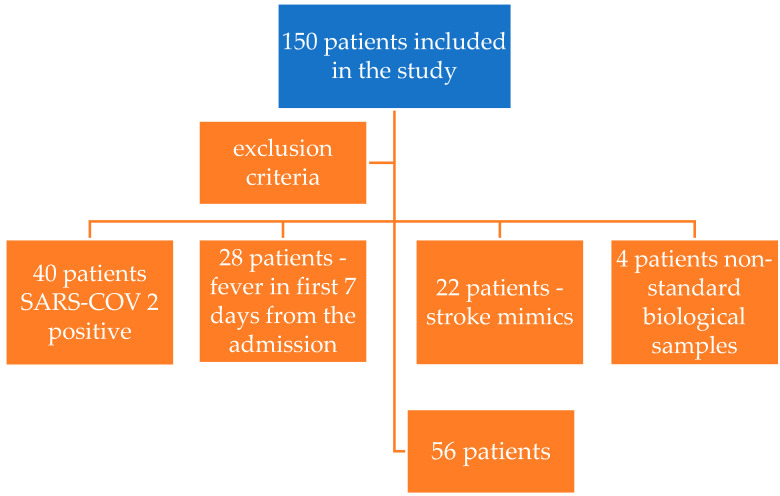
Materials and methods: We conducted a prospective study on 56 patients diagnosed with acute ischemic stroke, evaluating IL-6 and TNF-alpha levels on days 1 and 7 post symptom onset. Stroke severity was assessed using the National Institutes of Health Stroke Scale (NIHSS) and functional outcomes were measured with the modified Rankin Scale (mRS). Statistical analyses were performed to evaluate the association between biomarker levels and stroke severity and recovery.
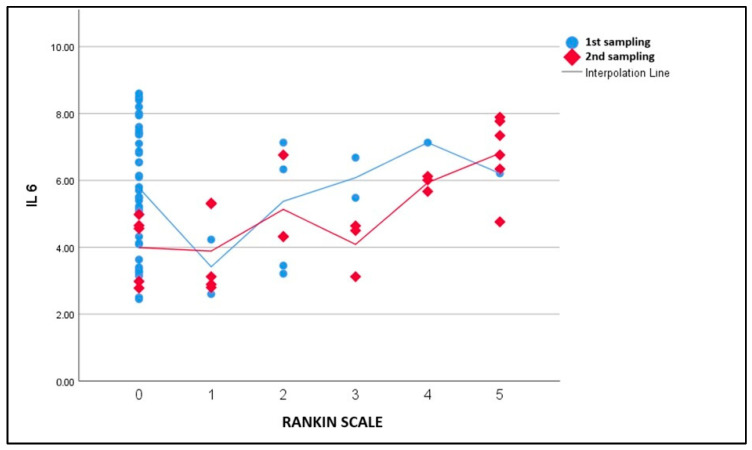
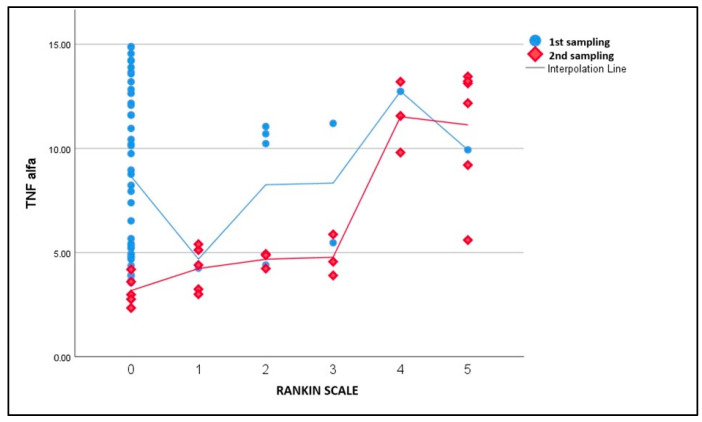
Results: Our study demonstrated that elevated levels of IL-6 and TNF-alpha on both days 1 and 7 were significantly correlated with greater stroke severity and poorer functional outcomes, as indicated by higher NIHSS and mRS scores. These findings are consistent with broader research indicating strong associations between inflammatory cytokines and post-stroke disability, further reinforcing their relevance as prognostic indicators.
Conclusions: IL-6 and TNF-alpha are promising biomarkers for predicting stroke severity and functional recovery in acute ischemic stroke. Monitoring these cytokines in the early stages of stroke could aid in identifying patients at higher risk for long-term disability, potentially guiding personalized therapeutic strategies. Further research into anti-inflammatory therapies targeting these cytokines may improve stroke rehabilitation and outcomes.
Life-BaselBiochemistry, Genetics and Molecular Biology-General Biochemistry,Genetics and Molecular Biology
CiteScore
4.30
自引率
6.20%
发文量
1798
审稿时长
11 weeks
期刊介绍:
Life (ISSN 2075-1729) is an international, peer-reviewed open access journal of scientific studies related to fundamental themes in Life Sciences, especially those concerned with the origins of life and evolution of biosystems. Our aim is to encourage scientists to publish their experimental and theoretical results in as much detail as possible. There is no restriction on the length of the papers.





 京公网安备 11010802042870号
京ICP备2023020795号-1
京公网安备 11010802042870号
京ICP备2023020795号-1

 分享
分享
 求助内容:
求助内容: 应助结果提醒方式:
 扫码关注我们
