Mehmet Emin Arayici, Mustafa Eray Kilic, Mehmet Birhan Yilmaz
{"title":"高和低坚持地中海和DASH饮食模式与心力衰竭的风险:一项观察性研究的荟萃分析","authors":"Mehmet Emin Arayici, Mustafa Eray Kilic, Mehmet Birhan Yilmaz","doi":"10.3390/life15010063","DOIUrl":null,"url":null,"abstract":"<p><strong>Background: </strong>The relationship between heart failure (HF) and Mediterranean and DASH diets is not well delineated. This meta-analysis aimed to assess the effectiveness of high adherence to Mediterranean and DASH diets compared to low adherence in reducing the risk of incident HF (primary prevention of HF) and reducing all-cause mortality in patients with HF (secondary prevention of HF).</p><p><strong>Methods: </strong>The reporting stages of this meta-analysis closely adhered to the PRISMA guidelines. A comprehensive literature search was undertaken for published papers in PubMed, Embase, EBSCO, ICTRP, and the NIH clinical trials databases.</p><p><strong>Results: </strong>A total of 16 reports from 14 studies were included in this paper. A significant inverse association was identified between high adherence to the Mediterranean diet model (compared to low adherence) and the risk of incident HF (OR = 0.77, 95% CI: 0.63-0.93, <i>p</i> = 0.007) among patients without previous diagnosis of HF. Similarly, there was a significant and inverse relationship between high adherence to the DASH diet (compared to low adherence) and the risk of incident HF (OR = 0.83, 95% CI: 0.70-0.98, <i>p</i> = 0.03) among patients without previous diagnosis of HF. High adherence to the Mediterranean diet model (compared to low adherence) was associated with lower all-cause mortality (OR = 0.88, 95% CI: 0.78-0.99, <i>p</i> = 0.03) among patients with HF.</p><p><strong>Conclusions: </strong>This paper demonstrated that high adherence to Mediterranean and DASH diets significantly reduced the risk of incident HF among individuals without a previous diagnosis of HF, whereas only high adherence to the Mediterranean diet was associated with lower all-cause mortality among patients with HF.</p>","PeriodicalId":56144,"journal":{"name":"Life-Basel","volume":"15 1","pages":""},"PeriodicalIF":3.4000,"publicationDate":"2025-01-07","publicationTypes":"Journal Article","fieldsOfStudy":null,"isOpenAccess":false,"openAccessPdf":"https://www.ncbi.nlm.nih.gov/pmc/articles/PMC11766615/pdf/","citationCount":"0","resultStr":"{\"title\":\"High and Low Adherence to Mediterranean and DASH Diet Patterns and the Risk of Heart Failure: A Meta-Analysis of Observational Studies.\",\"authors\":\"Mehmet Emin Arayici, Mustafa Eray Kilic, Mehmet Birhan Yilmaz\",\"doi\":\"10.3390/life15010063\",\"DOIUrl\":null,\"url\":null,\"abstract\":\"<p><strong>Background: </strong>The relationship between heart failure (HF) and Mediterranean and DASH diets is not well delineated. This meta-analysis aimed to assess the effectiveness of high adherence to Mediterranean and DASH diets compared to low adherence in reducing the risk of incident HF (primary prevention of HF) and reducing all-cause mortality in patients with HF (secondary prevention of HF).</p><p><strong>Methods: </strong>The reporting stages of this meta-analysis closely adhered to the PRISMA guidelines. A comprehensive literature search was undertaken for published papers in PubMed, Embase, EBSCO, ICTRP, and the NIH clinical trials databases.</p><p><strong>Results: </strong>A total of 16 reports from 14 studies were included in this paper. A significant inverse association was identified between high adherence to the Mediterranean diet model (compared to low adherence) and the risk of incident HF (OR = 0.77, 95% CI: 0.63-0.93, <i>p</i> = 0.007) among patients without previous diagnosis of HF. Similarly, there was a significant and inverse relationship between high adherence to the DASH diet (compared to low adherence) and the risk of incident HF (OR = 0.83, 95% CI: 0.70-0.98, <i>p</i> = 0.03) among patients without previous diagnosis of HF. High adherence to the Mediterranean diet model (compared to low adherence) was associated with lower all-cause mortality (OR = 0.88, 95% CI: 0.78-0.99, <i>p</i> = 0.03) among patients with HF.</p><p><strong>Conclusions: </strong>This paper demonstrated that high adherence to Mediterranean and DASH diets significantly reduced the risk of incident HF among individuals without a previous diagnosis of HF, whereas only high adherence to the Mediterranean diet was associated with lower all-cause mortality among patients with HF.</p>\",\"PeriodicalId\":56144,\"journal\":{\"name\":\"Life-Basel\",\"volume\":\"15 1\",\"pages\":\"\"},\"PeriodicalIF\":3.4000,\"publicationDate\":\"2025-01-07\",\"publicationTypes\":\"Journal Article\",\"fieldsOfStudy\":null,\"isOpenAccess\":false,\"openAccessPdf\":\"https://www.ncbi.nlm.nih.gov/pmc/articles/PMC11766615/pdf/\",\"citationCount\":\"0\",\"resultStr\":null,\"platform\":\"Semanticscholar\",\"paperid\":null,\"PeriodicalName\":\"Life-Basel\",\"FirstCategoryId\":\"99\",\"ListUrlMain\":\"https://doi.org/10.3390/life15010063\",\"RegionNum\":3,\"RegionCategory\":\"生物学\",\"ArticlePicture\":[],\"TitleCN\":null,\"AbstractTextCN\":null,\"PMCID\":null,\"EPubDate\":\"\",\"PubModel\":\"\",\"JCR\":\"Q1\",\"JCRName\":\"BIOLOGY\",\"Score\":null,\"Total\":0}","platform":"Semanticscholar","paperid":null,"PeriodicalName":"Life-Basel","FirstCategoryId":"99","ListUrlMain":"https://doi.org/10.3390/life15010063","RegionNum":3,"RegionCategory":"生物学","ArticlePicture":[],"TitleCN":null,"AbstractTextCN":null,"PMCID":null,"EPubDate":"","PubModel":"","JCR":"Q1","JCRName":"BIOLOGY","Score":null,"Total":0}
引用次数: 0
摘要
背景:心力衰竭(HF)与地中海饮食和DASH饮食之间的关系尚不清楚。本荟萃分析旨在评估高依从性地中海饮食和DASH饮食与低依从性饮食在降低心衰发生率(心衰一级预防)和降低心衰患者全因死亡率(心衰二级预防)方面的有效性。方法:本荟萃分析的报告阶段严格遵守PRISMA指南。对PubMed、Embase、EBSCO、ICTRP和NIH临床试验数据库中发表的论文进行了全面的文献检索。结果:本文共纳入14篇研究的16篇报道。在没有HF诊断的患者中,高依从性地中海饮食模式(与低依从性相比)与HF发生风险之间存在显著的负相关(OR = 0.77, 95% CI: 0.63-0.93, p = 0.007)。同样,在没有HF诊断的患者中,高依从性DASH饮食(与低依从性相比)与HF发生风险之间存在显著的负相关(OR = 0.83, 95% CI: 0.70-0.98, p = 0.03)。在HF患者中,高依从性地中海饮食模式(与低依从性相比)与较低的全因死亡率相关(OR = 0.88, 95% CI: 0.78-0.99, p = 0.03)。结论:本文表明,在没有HF诊断的个体中,高度坚持地中海饮食和DASH饮食可显著降低HF发生的风险,而在HF患者中,只有高度坚持地中海饮食与较低的全因死亡率相关。
High and Low Adherence to Mediterranean and DASH Diet Patterns and the Risk of Heart Failure: A Meta-Analysis of Observational Studies.
Background: The relationship between heart failure (HF) and Mediterranean and DASH diets is not well delineated. This meta-analysis aimed to assess the effectiveness of high adherence to Mediterranean and DASH diets compared to low adherence in reducing the risk of incident HF (primary prevention of HF) and reducing all-cause mortality in patients with HF (secondary prevention of HF).
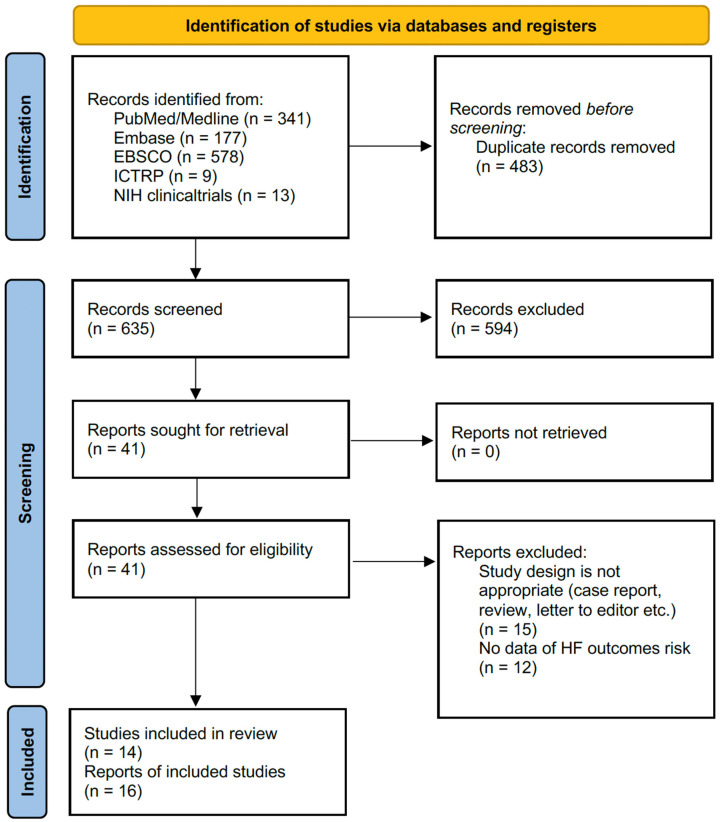
Methods: The reporting stages of this meta-analysis closely adhered to the PRISMA guidelines. A comprehensive literature search was undertaken for published papers in PubMed, Embase, EBSCO, ICTRP, and the NIH clinical trials databases.
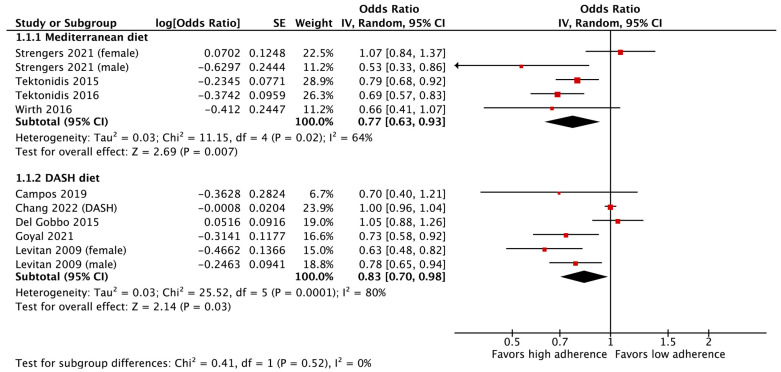
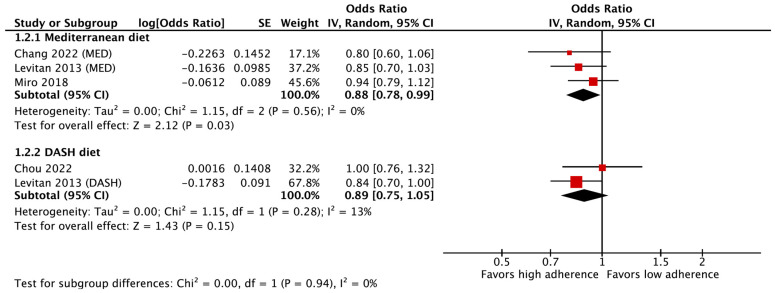
Results: A total of 16 reports from 14 studies were included in this paper. A significant inverse association was identified between high adherence to the Mediterranean diet model (compared to low adherence) and the risk of incident HF (OR = 0.77, 95% CI: 0.63-0.93, p = 0.007) among patients without previous diagnosis of HF. Similarly, there was a significant and inverse relationship between high adherence to the DASH diet (compared to low adherence) and the risk of incident HF (OR = 0.83, 95% CI: 0.70-0.98, p = 0.03) among patients without previous diagnosis of HF. High adherence to the Mediterranean diet model (compared to low adherence) was associated with lower all-cause mortality (OR = 0.88, 95% CI: 0.78-0.99, p = 0.03) among patients with HF.
Conclusions: This paper demonstrated that high adherence to Mediterranean and DASH diets significantly reduced the risk of incident HF among individuals without a previous diagnosis of HF, whereas only high adherence to the Mediterranean diet was associated with lower all-cause mortality among patients with HF.
Life-BaselBiochemistry, Genetics and Molecular Biology-General Biochemistry,Genetics and Molecular Biology
CiteScore
4.30
自引率
6.20%
发文量
1798
审稿时长
11 weeks
期刊介绍:
Life (ISSN 2075-1729) is an international, peer-reviewed open access journal of scientific studies related to fundamental themes in Life Sciences, especially those concerned with the origins of life and evolution of biosystems. Our aim is to encourage scientists to publish their experimental and theoretical results in as much detail as possible. There is no restriction on the length of the papers.





 京公网安备 11010802042870号
京ICP备2023020795号-1
京公网安备 11010802042870号
京ICP备2023020795号-1

 分享
分享
 求助内容:
求助内容: 应助结果提醒方式:
 扫码关注我们
