Fatemeh Azizi, Faezeh Saber Gharesoo, Fereshteh Eidy, Sama Heidari, Nastaran Maghbouli, Shirin Djalalinia, Amir Kasaeian
{"title":"神经周围注射葡萄糖治疗上肢周围压迫性神经病效果的系统回顾和荟萃分析。","authors":"Fatemeh Azizi, Faezeh Saber Gharesoo, Fereshteh Eidy, Sama Heidari, Nastaran Maghbouli, Shirin Djalalinia, Amir Kasaeian","doi":"10.1016/j.heliyon.2025.e41622","DOIUrl":null,"url":null,"abstract":"<p><strong>Background: </strong>Entrapment neuropathies, marked by nerve compression at various anatomical sites, can be effectively managed using conservative approaches like injections. Dextrose 5 % water injection has emerged as a potential therapy by reducing inflammation and promoting tissue regeneration. We aimed to evaluate dextrose injection's efficacy in treating entrapment neuropathies in upper extremities.</p><p><strong>Method: </strong>We systematically searched EMBASE, Scopus, Web of Science, and PubMed. Our eligibility criteria included participants aged 18 and older who had peripheral upper limb nerve entrapment from non-metabolic and non-traumatic sources. These participants were treated with dextrose injection compared to those receiving other injectables, such as corticosteroids and non-corticosteroid medications. The primary outcome was pain, with secondary outcomes including function, ultrasonographic, and electrodiagnostic findings. The quality of the clinical trials was assessed using Cochrane tools. Random-effect model was employed for meta-analysis.</p><p><strong>Results: </strong>Thirteen studies, involving 754 patients, were included, with only two showing serious bias risk. Initial findings indicate significant pain relief with dextrose injection within a short time (≤4 weeks) compared to normal saline (MD: -1.30, 95%CI: -2.12; -0.47). Dextrose also demonstrated a significant pain decrease compared to corticosteroids (MD: -0.81, 95 % CI: -1.40; -0.21) with low heterogeneity (I<sup>2</sup> = 9 %, P = 0.36), and significantly improved function (MD = -0.46, 95 % CI: -0.76; -0.16) with low heterogeneity (I<sup>2</sup> = 17 %, P = 0.31) in mid-term (one to six months).</p><p><strong>Conclusion: </strong>This meta-analysis suggests dextrose injection as an effective therapy for managing pain and restoring function in entrapment neuropathies. However, further high-quality studies are needed to confirm these findings and establish optimal dosing regimens and injection protocols. Healthcare providers should consider integrating dextrose injection into their treatment strategies for patients with entrapment neuropathies.</p>","PeriodicalId":12894,"journal":{"name":"Heliyon","volume":"11 1","pages":"e41622"},"PeriodicalIF":3.6000,"publicationDate":"2025-01-03","publicationTypes":"Journal Article","fieldsOfStudy":null,"isOpenAccess":false,"openAccessPdf":"https://www.ncbi.nlm.nih.gov/pmc/articles/PMC11759540/pdf/","citationCount":"0","resultStr":"{\"title\":\"A systematic review and meta-analysis of the effectiveness of perineural dextrose injection in peripheral compression neuropathies of the upper limbs.\",\"authors\":\"Fatemeh Azizi, Faezeh Saber Gharesoo, Fereshteh Eidy, Sama Heidari, Nastaran Maghbouli, Shirin Djalalinia, Amir Kasaeian\",\"doi\":\"10.1016/j.heliyon.2025.e41622\",\"DOIUrl\":null,\"url\":null,\"abstract\":\"<p><strong>Background: </strong>Entrapment neuropathies, marked by nerve compression at various anatomical sites, can be effectively managed using conservative approaches like injections. Dextrose 5 % water injection has emerged as a potential therapy by reducing inflammation and promoting tissue regeneration. We aimed to evaluate dextrose injection's efficacy in treating entrapment neuropathies in upper extremities.</p><p><strong>Method: </strong>We systematically searched EMBASE, Scopus, Web of Science, and PubMed. Our eligibility criteria included participants aged 18 and older who had peripheral upper limb nerve entrapment from non-metabolic and non-traumatic sources. These participants were treated with dextrose injection compared to those receiving other injectables, such as corticosteroids and non-corticosteroid medications. The primary outcome was pain, with secondary outcomes including function, ultrasonographic, and electrodiagnostic findings. The quality of the clinical trials was assessed using Cochrane tools. Random-effect model was employed for meta-analysis.</p><p><strong>Results: </strong>Thirteen studies, involving 754 patients, were included, with only two showing serious bias risk. Initial findings indicate significant pain relief with dextrose injection within a short time (≤4 weeks) compared to normal saline (MD: -1.30, 95%CI: -2.12; -0.47). Dextrose also demonstrated a significant pain decrease compared to corticosteroids (MD: -0.81, 95 % CI: -1.40; -0.21) with low heterogeneity (I<sup>2</sup> = 9 %, P = 0.36), and significantly improved function (MD = -0.46, 95 % CI: -0.76; -0.16) with low heterogeneity (I<sup>2</sup> = 17 %, P = 0.31) in mid-term (one to six months).</p><p><strong>Conclusion: </strong>This meta-analysis suggests dextrose injection as an effective therapy for managing pain and restoring function in entrapment neuropathies. However, further high-quality studies are needed to confirm these findings and establish optimal dosing regimens and injection protocols. Healthcare providers should consider integrating dextrose injection into their treatment strategies for patients with entrapment neuropathies.</p>\",\"PeriodicalId\":12894,\"journal\":{\"name\":\"Heliyon\",\"volume\":\"11 1\",\"pages\":\"e41622\"},\"PeriodicalIF\":3.6000,\"publicationDate\":\"2025-01-03\",\"publicationTypes\":\"Journal Article\",\"fieldsOfStudy\":null,\"isOpenAccess\":false,\"openAccessPdf\":\"https://www.ncbi.nlm.nih.gov/pmc/articles/PMC11759540/pdf/\",\"citationCount\":\"0\",\"resultStr\":null,\"platform\":\"Semanticscholar\",\"paperid\":null,\"PeriodicalName\":\"Heliyon\",\"FirstCategoryId\":\"103\",\"ListUrlMain\":\"https://doi.org/10.1016/j.heliyon.2025.e41622\",\"RegionNum\":3,\"RegionCategory\":\"综合性期刊\",\"ArticlePicture\":[],\"TitleCN\":null,\"AbstractTextCN\":null,\"PMCID\":null,\"EPubDate\":\"2025/1/15 0:00:00\",\"PubModel\":\"eCollection\",\"JCR\":\"Q1\",\"JCRName\":\"MULTIDISCIPLINARY SCIENCES\",\"Score\":null,\"Total\":0}","platform":"Semanticscholar","paperid":null,"PeriodicalName":"Heliyon","FirstCategoryId":"103","ListUrlMain":"https://doi.org/10.1016/j.heliyon.2025.e41622","RegionNum":3,"RegionCategory":"综合性期刊","ArticlePicture":[],"TitleCN":null,"AbstractTextCN":null,"PMCID":null,"EPubDate":"2025/1/15 0:00:00","PubModel":"eCollection","JCR":"Q1","JCRName":"MULTIDISCIPLINARY SCIENCES","Score":null,"Total":0}
引用次数: 0
摘要
背景:以不同解剖部位的神经压迫为特征的卡压性神经病可以通过注射等保守方法有效地治疗。葡萄糖5%水注射已成为减少炎症和促进组织再生的潜在治疗方法。我们旨在评价葡萄糖注射液治疗上肢压迫性神经病的疗效。方法:系统检索EMBASE、Scopus、Web of Science、PubMed。我们的入选标准包括年龄在18岁及以上的非代谢性和非创伤性上肢周围神经卡压患者。与接受其他注射剂(如皮质类固醇和非皮质类固醇药物)的患者相比,这些参与者接受葡萄糖注射治疗。主要结果是疼痛,次要结果包括功能、超声检查和电诊断结果。使用Cochrane工具评估临床试验的质量。meta分析采用随机效应模型。结果:纳入13项研究,涉及754例患者,只有两项研究显示严重偏倚风险。初步研究结果表明,与生理盐水相比,葡萄糖注射在短时间内(≤4周)显著缓解疼痛(MD: -1.30, 95%CI: -2.12;-0.47)。与皮质类固醇相比,葡萄糖也显示出明显的疼痛减轻(MD: -0.81, 95% CI: -1.40;-0.21),异质性低(I2 = 9%, P = 0.36),功能显著改善(MD = -0.46, 95% CI: -0.76;中期(1 ~ 6个月)异质性低(I2 = 17%, P = 0.31)。结论:本荟萃分析提示葡萄糖注射是治疗卡压神经病疼痛和恢复功能的有效方法。然而,需要进一步的高质量研究来证实这些发现并建立最佳给药方案和注射方案。医疗保健提供者应考虑将葡萄糖注射纳入其治疗策略,为患者的卡压性神经病。
A systematic review and meta-analysis of the effectiveness of perineural dextrose injection in peripheral compression neuropathies of the upper limbs.
Background: Entrapment neuropathies, marked by nerve compression at various anatomical sites, can be effectively managed using conservative approaches like injections. Dextrose 5 % water injection has emerged as a potential therapy by reducing inflammation and promoting tissue regeneration. We aimed to evaluate dextrose injection's efficacy in treating entrapment neuropathies in upper extremities.
Method: We systematically searched EMBASE, Scopus, Web of Science, and PubMed. Our eligibility criteria included participants aged 18 and older who had peripheral upper limb nerve entrapment from non-metabolic and non-traumatic sources. These participants were treated with dextrose injection compared to those receiving other injectables, such as corticosteroids and non-corticosteroid medications. The primary outcome was pain, with secondary outcomes including function, ultrasonographic, and electrodiagnostic findings. The quality of the clinical trials was assessed using Cochrane tools. Random-effect model was employed for meta-analysis.
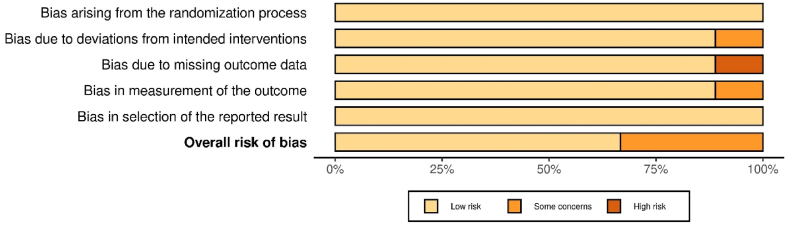
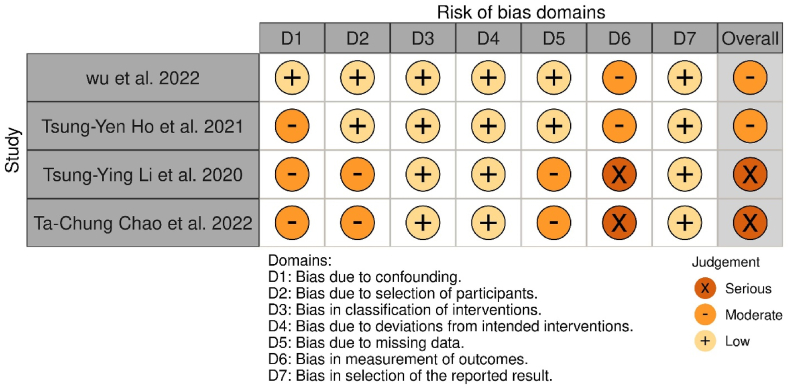
Results: Thirteen studies, involving 754 patients, were included, with only two showing serious bias risk. Initial findings indicate significant pain relief with dextrose injection within a short time (≤4 weeks) compared to normal saline (MD: -1.30, 95%CI: -2.12; -0.47). Dextrose also demonstrated a significant pain decrease compared to corticosteroids (MD: -0.81, 95 % CI: -1.40; -0.21) with low heterogeneity (I2 = 9 %, P = 0.36), and significantly improved function (MD = -0.46, 95 % CI: -0.76; -0.16) with low heterogeneity (I2 = 17 %, P = 0.31) in mid-term (one to six months).
Conclusion: This meta-analysis suggests dextrose injection as an effective therapy for managing pain and restoring function in entrapment neuropathies. However, further high-quality studies are needed to confirm these findings and establish optimal dosing regimens and injection protocols. Healthcare providers should consider integrating dextrose injection into their treatment strategies for patients with entrapment neuropathies.
期刊介绍:
Heliyon is an all-science, open access journal that is part of the Cell Press family. Any paper reporting scientifically accurate and valuable research, which adheres to accepted ethical and scientific publishing standards, will be considered for publication. Our growing team of dedicated section editors, along with our in-house team, handle your paper and manage the publication process end-to-end, giving your research the editorial support it deserves.






 京公网安备 11010802042870号
京ICP备2023020795号-1
京公网安备 11010802042870号
京ICP备2023020795号-1

 分享
分享
 求助内容:
求助内容: 应助结果提醒方式:
 扫码关注我们
