Betül Ayça Yamak, Mustafa Candemir, Emrullah Kızıltunç, Hüseyin Baran Özdemir, Özlem Gülbahar, Asife Şahinarslan
{"title":"评价SCUBE-1作为高血压介导的器官损伤的预测性生物标志物:一项比较研究。","authors":"Betül Ayça Yamak, Mustafa Candemir, Emrullah Kızıltunç, Hüseyin Baran Özdemir, Özlem Gülbahar, Asife Şahinarslan","doi":"10.31083/RCM25832","DOIUrl":null,"url":null,"abstract":"<p><strong>Background: </strong>Hypertension-mediated organ damage (HMOD) is a critical complication of hypertension that can present with cardiac, retinal, and renal manifestations and affect patient outcomes. Serum signal peptide, CUB (complement C1r/C1s, Uegf, and Bmp1) domain, and epidermal growth factor-like domain-containing protein 1 (SCUBE-1), a novel biomarker implicated in vascular pathology, shows promise for detecting HMOD. This study aims to explore the relation between SCUBE-1 levels and HMOD in hypertensive patients.</p><p><strong>Methods: </strong>This cross-sectional study included 115 participants, comprising 79 hypertensive patients and 36 healthy controls. The hypertensive patients were divided into two groups based on HMOD presence. SCUBE-1 levels were measured to evaluate their diagnostic utility in detecting HMOD.</p><p><strong>Results: </strong>Hypertensive patients exhibited significantly higher SCUBE-1 levels than controls (160.70 ng/mL vs. 75.64 ng/mL, <i>p</i> < 0.001). Among these patients, those with HMOD (cardiac, retinal, and renal) displayed even higher SCUBE-1 levels (311.27 ng/mL, range 137.86-460 ng/mL) compared to those without HMOD (142.53 ng/mL, range 110.56-178.19 ng/mL). Receiver operating characteristic curve analysis indicated that SCUBE-1 levels have significant diagnostic potential for differentiating between hypertensive patients with and without HMOD with area under the curve values of 0.722 for cardiac, 0.761 for retinal, and 0.707 for renal damage.</p><p><strong>Conclusions: </strong>Our study has revealed that SCUBE-1 levels are significantly elevated in hypertensive patients, particularly those with HMOD. The findings support the potential of SCUBE-1 as a valuable biomarker for predicting organ damage in hypertensive patients.</p>","PeriodicalId":20989,"journal":{"name":"Reviews in cardiovascular medicine","volume":"26 1","pages":"25832"},"PeriodicalIF":2.2000,"publicationDate":"2025-01-07","publicationTypes":"Journal Article","fieldsOfStudy":null,"isOpenAccess":false,"openAccessPdf":"https://www.ncbi.nlm.nih.gov/pmc/articles/PMC11760547/pdf/","citationCount":"0","resultStr":"{\"title\":\"Evaluating SCUBE-1 as Predictive Biomarker for Hypertension-Mediated Organ Damage: A Comparative Study.\",\"authors\":\"Betül Ayça Yamak, Mustafa Candemir, Emrullah Kızıltunç, Hüseyin Baran Özdemir, Özlem Gülbahar, Asife Şahinarslan\",\"doi\":\"10.31083/RCM25832\",\"DOIUrl\":null,\"url\":null,\"abstract\":\"<p><strong>Background: </strong>Hypertension-mediated organ damage (HMOD) is a critical complication of hypertension that can present with cardiac, retinal, and renal manifestations and affect patient outcomes. Serum signal peptide, CUB (complement C1r/C1s, Uegf, and Bmp1) domain, and epidermal growth factor-like domain-containing protein 1 (SCUBE-1), a novel biomarker implicated in vascular pathology, shows promise for detecting HMOD. This study aims to explore the relation between SCUBE-1 levels and HMOD in hypertensive patients.</p><p><strong>Methods: </strong>This cross-sectional study included 115 participants, comprising 79 hypertensive patients and 36 healthy controls. The hypertensive patients were divided into two groups based on HMOD presence. SCUBE-1 levels were measured to evaluate their diagnostic utility in detecting HMOD.</p><p><strong>Results: </strong>Hypertensive patients exhibited significantly higher SCUBE-1 levels than controls (160.70 ng/mL vs. 75.64 ng/mL, <i>p</i> < 0.001). Among these patients, those with HMOD (cardiac, retinal, and renal) displayed even higher SCUBE-1 levels (311.27 ng/mL, range 137.86-460 ng/mL) compared to those without HMOD (142.53 ng/mL, range 110.56-178.19 ng/mL). Receiver operating characteristic curve analysis indicated that SCUBE-1 levels have significant diagnostic potential for differentiating between hypertensive patients with and without HMOD with area under the curve values of 0.722 for cardiac, 0.761 for retinal, and 0.707 for renal damage.</p><p><strong>Conclusions: </strong>Our study has revealed that SCUBE-1 levels are significantly elevated in hypertensive patients, particularly those with HMOD. The findings support the potential of SCUBE-1 as a valuable biomarker for predicting organ damage in hypertensive patients.</p>\",\"PeriodicalId\":20989,\"journal\":{\"name\":\"Reviews in cardiovascular medicine\",\"volume\":\"26 1\",\"pages\":\"25832\"},\"PeriodicalIF\":2.2000,\"publicationDate\":\"2025-01-07\",\"publicationTypes\":\"Journal Article\",\"fieldsOfStudy\":null,\"isOpenAccess\":false,\"openAccessPdf\":\"https://www.ncbi.nlm.nih.gov/pmc/articles/PMC11760547/pdf/\",\"citationCount\":\"0\",\"resultStr\":null,\"platform\":\"Semanticscholar\",\"paperid\":null,\"PeriodicalName\":\"Reviews in cardiovascular medicine\",\"FirstCategoryId\":\"3\",\"ListUrlMain\":\"https://doi.org/10.31083/RCM25832\",\"RegionNum\":4,\"RegionCategory\":\"医学\",\"ArticlePicture\":[],\"TitleCN\":null,\"AbstractTextCN\":null,\"PMCID\":null,\"EPubDate\":\"2025/1/1 0:00:00\",\"PubModel\":\"eCollection\",\"JCR\":\"Q3\",\"JCRName\":\"CARDIAC & CARDIOVASCULAR SYSTEMS\",\"Score\":null,\"Total\":0}","platform":"Semanticscholar","paperid":null,"PeriodicalName":"Reviews in cardiovascular medicine","FirstCategoryId":"3","ListUrlMain":"https://doi.org/10.31083/RCM25832","RegionNum":4,"RegionCategory":"医学","ArticlePicture":[],"TitleCN":null,"AbstractTextCN":null,"PMCID":null,"EPubDate":"2025/1/1 0:00:00","PubModel":"eCollection","JCR":"Q3","JCRName":"CARDIAC & CARDIOVASCULAR SYSTEMS","Score":null,"Total":0}
引用次数: 0
摘要
背景:高血压介导的器官损害(HMOD)是高血压的重要并发症,可表现为心脏、视网膜和肾脏表现,并影响患者预后。血清信号肽、CUB(补体C1r/C1s、Uegf和Bmp1)结构域和表皮生长因子样结构域含蛋白1 (SCUBE-1)是一种与血管病理相关的新型生物标志物,有望用于检测HMOD。本研究旨在探讨高血压患者scub -1水平与HMOD的关系。方法:本横断面研究纳入115名参与者,包括79名高血压患者和36名健康对照。根据HMOD的存在情况将高血压患者分为两组。测量SCUBE-1水平以评估其在检测HMOD中的诊断效用。结果:高血压患者SCUBE-1水平明显高于对照组(160.70 ng/mL vs. 75.64 ng/mL, p < 0.001)。在这些患者中,患有HMOD(心脏、视网膜和肾脏)的患者显示出更高的SCUBE-1水平(311.27 ng/mL,范围137.86-460 ng/mL),而没有HMOD的患者(142.53 ng/mL,范围110.56-178.19 ng/mL)。受试者工作特征曲线分析显示,SCUBE-1水平对高血压患者合并和不合并HMOD具有显著的诊断潜力,曲线下面积为心脏0.722,视网膜0.761,肾损害0.707。结论:我们的研究显示,高血压患者,特别是HMOD患者的SCUBE-1水平显著升高。这些发现支持scbe -1作为预测高血压患者器官损伤的有价值的生物标志物的潜力。
Evaluating SCUBE-1 as Predictive Biomarker for Hypertension-Mediated Organ Damage: A Comparative Study.
Background: Hypertension-mediated organ damage (HMOD) is a critical complication of hypertension that can present with cardiac, retinal, and renal manifestations and affect patient outcomes. Serum signal peptide, CUB (complement C1r/C1s, Uegf, and Bmp1) domain, and epidermal growth factor-like domain-containing protein 1 (SCUBE-1), a novel biomarker implicated in vascular pathology, shows promise for detecting HMOD. This study aims to explore the relation between SCUBE-1 levels and HMOD in hypertensive patients.
Methods: This cross-sectional study included 115 participants, comprising 79 hypertensive patients and 36 healthy controls. The hypertensive patients were divided into two groups based on HMOD presence. SCUBE-1 levels were measured to evaluate their diagnostic utility in detecting HMOD.
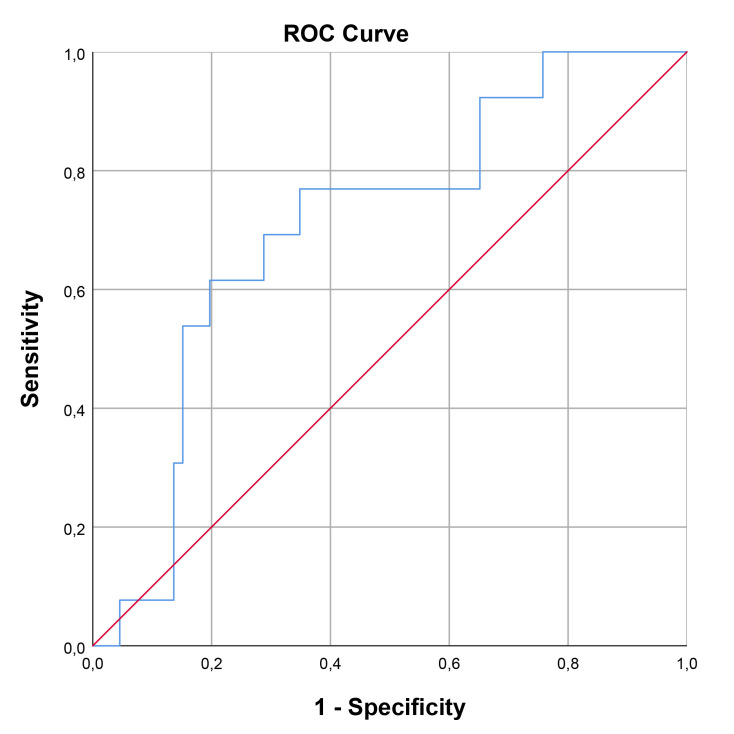
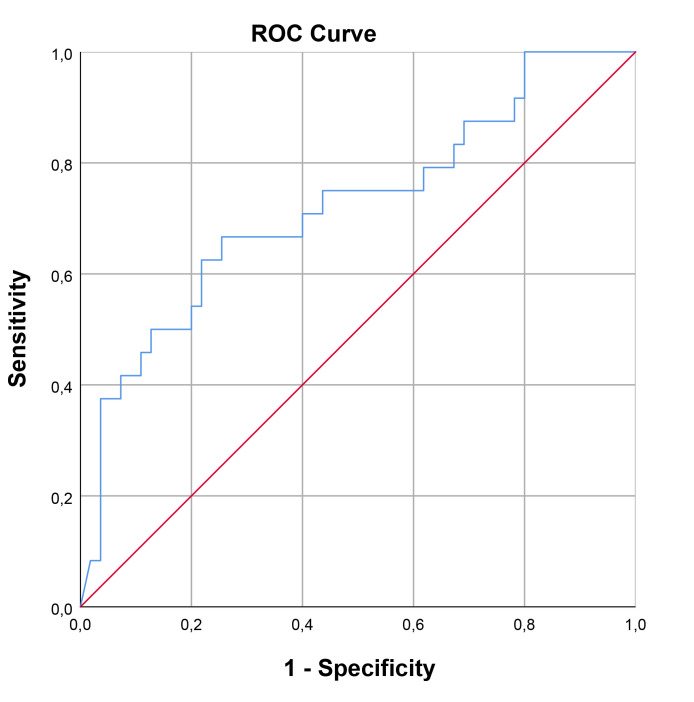
Results: Hypertensive patients exhibited significantly higher SCUBE-1 levels than controls (160.70 ng/mL vs. 75.64 ng/mL, p < 0.001). Among these patients, those with HMOD (cardiac, retinal, and renal) displayed even higher SCUBE-1 levels (311.27 ng/mL, range 137.86-460 ng/mL) compared to those without HMOD (142.53 ng/mL, range 110.56-178.19 ng/mL). Receiver operating characteristic curve analysis indicated that SCUBE-1 levels have significant diagnostic potential for differentiating between hypertensive patients with and without HMOD with area under the curve values of 0.722 for cardiac, 0.761 for retinal, and 0.707 for renal damage.
Conclusions: Our study has revealed that SCUBE-1 levels are significantly elevated in hypertensive patients, particularly those with HMOD. The findings support the potential of SCUBE-1 as a valuable biomarker for predicting organ damage in hypertensive patients.
期刊介绍:
RCM is an international, peer-reviewed, open access journal. RCM publishes research articles, review papers and short communications on cardiovascular medicine as well as research on cardiovascular disease. We aim to provide a forum for publishing papers which explore the pathogenesis and promote the progression of cardiac and vascular diseases. We also seek to establish an interdisciplinary platform, focusing on translational issues, to facilitate the advancement of research, clinical treatment and diagnostic procedures. Heart surgery, cardiovascular imaging, risk factors and various clinical cardiac & vascular research will be considered.






 京公网安备 11010802042870号
京ICP备2023020795号-1
京公网安备 11010802042870号
京ICP备2023020795号-1

 分享
分享
 求助内容:
求助内容: 应助结果提醒方式:
 扫码关注我们
