Devi Sarah Intan Permatasari, Dicky Hermawan, Rozalina Loebis
{"title":"遇到II型彼得斯异常处理方法的临床复杂性:1例报告。","authors":"Devi Sarah Intan Permatasari, Dicky Hermawan, Rozalina Loebis","doi":"10.11604/pamj.2024.49.47.44754","DOIUrl":null,"url":null,"abstract":"<p><p>Anterior segment dysgenesis exerts its influence on a diverse array of ocular structures, encompassing the cornea, iris, ciliary body, anterior chamber and lens. We present a 20-month-old boy with bilateral corneal opacity. The visual acuity (VA) was 6/480 in both eyes. Upon examination, we found bilateral central corneal opacity with keratolenticular adhesions, anterior lens dislocation and opacification, aniridia. The clinical findings indicate diagnosis features of type II Peters anomaly (PA). Lens aspiration combined with adhesiolysis on the left eye (LE) was performed to address cataract-induced visual axis obstruction and prevent corneal decompensation from keratolenticular adhesions. We contemplated on prioritizing surgery for the LE initially due to the less severe corneal opacity compared to the right eye (RE). Further evaluations are required to determine the visual enhancement and the necessity of additional procedures. The management of type II PA proved to be a challenging experience. Cautious manipulation and extensive counseling can prevent further corneal decompensation.</p>","PeriodicalId":48190,"journal":{"name":"Pan African Medical Journal","volume":"49 ","pages":"47"},"PeriodicalIF":1.0000,"publicationDate":"2024-10-22","publicationTypes":"Journal Article","fieldsOfStudy":null,"isOpenAccess":false,"openAccessPdf":"https://www.ncbi.nlm.nih.gov/pmc/articles/PMC11760210/pdf/","citationCount":"0","resultStr":"{\"title\":\"Encountering the clinical complexity of type II Peters anomaly management approaches: a case report.\",\"authors\":\"Devi Sarah Intan Permatasari, Dicky Hermawan, Rozalina Loebis\",\"doi\":\"10.11604/pamj.2024.49.47.44754\",\"DOIUrl\":null,\"url\":null,\"abstract\":\"<p><p>Anterior segment dysgenesis exerts its influence on a diverse array of ocular structures, encompassing the cornea, iris, ciliary body, anterior chamber and lens. We present a 20-month-old boy with bilateral corneal opacity. The visual acuity (VA) was 6/480 in both eyes. Upon examination, we found bilateral central corneal opacity with keratolenticular adhesions, anterior lens dislocation and opacification, aniridia. The clinical findings indicate diagnosis features of type II Peters anomaly (PA). Lens aspiration combined with adhesiolysis on the left eye (LE) was performed to address cataract-induced visual axis obstruction and prevent corneal decompensation from keratolenticular adhesions. We contemplated on prioritizing surgery for the LE initially due to the less severe corneal opacity compared to the right eye (RE). Further evaluations are required to determine the visual enhancement and the necessity of additional procedures. The management of type II PA proved to be a challenging experience. Cautious manipulation and extensive counseling can prevent further corneal decompensation.</p>\",\"PeriodicalId\":48190,\"journal\":{\"name\":\"Pan African Medical Journal\",\"volume\":\"49 \",\"pages\":\"47\"},\"PeriodicalIF\":1.0000,\"publicationDate\":\"2024-10-22\",\"publicationTypes\":\"Journal Article\",\"fieldsOfStudy\":null,\"isOpenAccess\":false,\"openAccessPdf\":\"https://www.ncbi.nlm.nih.gov/pmc/articles/PMC11760210/pdf/\",\"citationCount\":\"0\",\"resultStr\":null,\"platform\":\"Semanticscholar\",\"paperid\":null,\"PeriodicalName\":\"Pan African Medical Journal\",\"FirstCategoryId\":\"1085\",\"ListUrlMain\":\"https://doi.org/10.11604/pamj.2024.49.47.44754\",\"RegionNum\":0,\"RegionCategory\":null,\"ArticlePicture\":[],\"TitleCN\":null,\"AbstractTextCN\":null,\"PMCID\":null,\"EPubDate\":\"2024/1/1 0:00:00\",\"PubModel\":\"eCollection\",\"JCR\":\"Q4\",\"JCRName\":\"PUBLIC, ENVIRONMENTAL & OCCUPATIONAL HEALTH\",\"Score\":null,\"Total\":0}","platform":"Semanticscholar","paperid":null,"PeriodicalName":"Pan African Medical Journal","FirstCategoryId":"1085","ListUrlMain":"https://doi.org/10.11604/pamj.2024.49.47.44754","RegionNum":0,"RegionCategory":null,"ArticlePicture":[],"TitleCN":null,"AbstractTextCN":null,"PMCID":null,"EPubDate":"2024/1/1 0:00:00","PubModel":"eCollection","JCR":"Q4","JCRName":"PUBLIC, ENVIRONMENTAL & OCCUPATIONAL HEALTH","Score":null,"Total":0}
Encountering the clinical complexity of type II Peters anomaly management approaches: a case report.
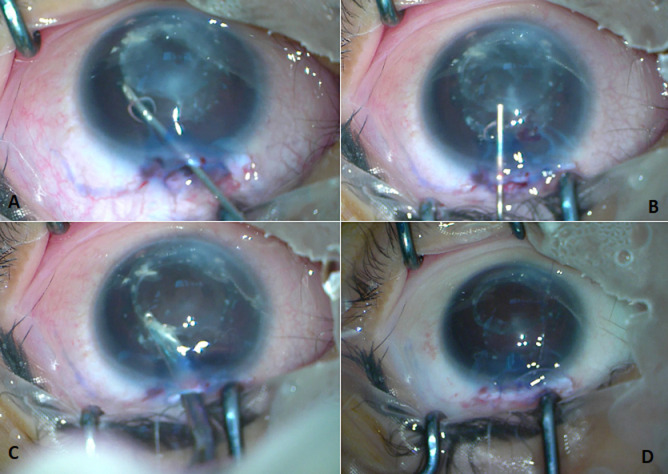
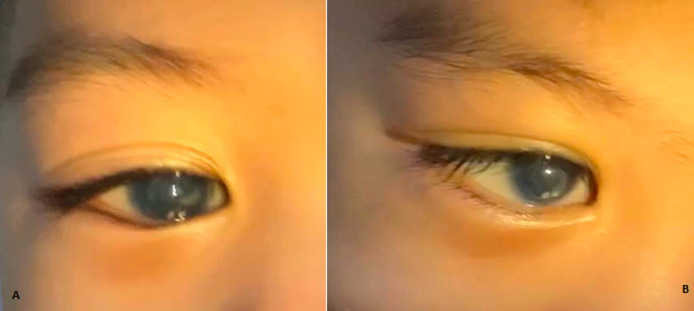
Anterior segment dysgenesis exerts its influence on a diverse array of ocular structures, encompassing the cornea, iris, ciliary body, anterior chamber and lens. We present a 20-month-old boy with bilateral corneal opacity. The visual acuity (VA) was 6/480 in both eyes. Upon examination, we found bilateral central corneal opacity with keratolenticular adhesions, anterior lens dislocation and opacification, aniridia. The clinical findings indicate diagnosis features of type II Peters anomaly (PA). Lens aspiration combined with adhesiolysis on the left eye (LE) was performed to address cataract-induced visual axis obstruction and prevent corneal decompensation from keratolenticular adhesions. We contemplated on prioritizing surgery for the LE initially due to the less severe corneal opacity compared to the right eye (RE). Further evaluations are required to determine the visual enhancement and the necessity of additional procedures. The management of type II PA proved to be a challenging experience. Cautious manipulation and extensive counseling can prevent further corneal decompensation.






 京公网安备 11010802042870号
京ICP备2023020795号-1
京公网安备 11010802042870号
京ICP备2023020795号-1

 分享
分享
 求助内容:
求助内容: 应助结果提醒方式:
 扫码关注我们
