{"title":"小鼠诺如病毒与乙醇敏感性相关的遗传多样性","authors":"Aken Puti Wanguyun, Wakana Oishi, Daisuke Sano","doi":"10.1007/s00253-025-13410-8","DOIUrl":null,"url":null,"abstract":"<p>RNA viruses have high genetic diversity, allowing rapid adaptation to environmental pressures, such as disinfection. This diversity increases the likelihood of mutations influencing the viral sensitivity to disinfectants. Ethanol is widely used to control viral transmission; however, insufficient disinfection facilitates the survival of less-sensitive viruses. Further, the underlying mechanisms of ethanol-induced changes in viral sensitivity remain unclear. Here, we assessed the genetic characteristics of ethanol-adapted murine norovirus (MNV) and associated changes in viral sensitivity. Experimental ethanol-facilitated MNV adaptation and subsequent genetic characteristic evaluation of the whole genome sequence was performed. MNV was exposed to 70% ethanol for 5 s to achieve ± 3-log<sub>10</sub> inactivation. Twelve MNV populations were identified as “less sensitive,” consisting of nine treated and three control populations. Less-sensitive MNV populations exhibited significantly higher synonymous nucleotide diversity (πS) in ORF1 (<i>p</i> = 0.001), which encodes the non-structural protein, than sensitive populations. Ethanol sensitivity and πS were negatively correlated in ORF1 (<i>R</i> = − 0.49, <i>p</i> = 0.003), indicating that high genetic diversity in ORF1 could be linked to reduced ethanol sensitivity. This study demonstrates an association between nucleotide diversity in specific coding regions of the MNV genome and ethanol sensitivity. These findings are vital for improving disinfection methods and anticipating emerging viruses that are more resistant to disinfectants.</p><p>• <i>Several MNV populations reduced sensitivity to ethanol</i>.</p><p>• <i>Higher synonymous diversity in ORF1 linked to reduced ethanol sensitivity</i>.</p><p>• <i>Synonymous mutations can influence viral adaptation to ethanol</i>.</p>","PeriodicalId":8342,"journal":{"name":"Applied Microbiology and Biotechnology","volume":"109 1","pages":""},"PeriodicalIF":4.3000,"publicationDate":"2025-01-28","publicationTypes":"Journal Article","fieldsOfStudy":null,"isOpenAccess":false,"openAccessPdf":"https://www.ncbi.nlm.nih.gov/pmc/articles/PMC11775025/pdf/","citationCount":"0","resultStr":"{\"title\":\"Genetic diversity of murine norovirus associated with ethanol sensitivity\",\"authors\":\"Aken Puti Wanguyun, Wakana Oishi, Daisuke Sano\",\"doi\":\"10.1007/s00253-025-13410-8\",\"DOIUrl\":null,\"url\":null,\"abstract\":\"<p>RNA viruses have high genetic diversity, allowing rapid adaptation to environmental pressures, such as disinfection. This diversity increases the likelihood of mutations influencing the viral sensitivity to disinfectants. Ethanol is widely used to control viral transmission; however, insufficient disinfection facilitates the survival of less-sensitive viruses. Further, the underlying mechanisms of ethanol-induced changes in viral sensitivity remain unclear. Here, we assessed the genetic characteristics of ethanol-adapted murine norovirus (MNV) and associated changes in viral sensitivity. Experimental ethanol-facilitated MNV adaptation and subsequent genetic characteristic evaluation of the whole genome sequence was performed. MNV was exposed to 70% ethanol for 5 s to achieve ± 3-log<sub>10</sub> inactivation. Twelve MNV populations were identified as “less sensitive,” consisting of nine treated and three control populations. Less-sensitive MNV populations exhibited significantly higher synonymous nucleotide diversity (πS) in ORF1 (<i>p</i> = 0.001), which encodes the non-structural protein, than sensitive populations. Ethanol sensitivity and πS were negatively correlated in ORF1 (<i>R</i> = − 0.49, <i>p</i> = 0.003), indicating that high genetic diversity in ORF1 could be linked to reduced ethanol sensitivity. This study demonstrates an association between nucleotide diversity in specific coding regions of the MNV genome and ethanol sensitivity. These findings are vital for improving disinfection methods and anticipating emerging viruses that are more resistant to disinfectants.</p><p>• <i>Several MNV populations reduced sensitivity to ethanol</i>.</p><p>• <i>Higher synonymous diversity in ORF1 linked to reduced ethanol sensitivity</i>.</p><p>• <i>Synonymous mutations can influence viral adaptation to ethanol</i>.</p>\",\"PeriodicalId\":8342,\"journal\":{\"name\":\"Applied Microbiology and Biotechnology\",\"volume\":\"109 1\",\"pages\":\"\"},\"PeriodicalIF\":4.3000,\"publicationDate\":\"2025-01-28\",\"publicationTypes\":\"Journal Article\",\"fieldsOfStudy\":null,\"isOpenAccess\":false,\"openAccessPdf\":\"https://www.ncbi.nlm.nih.gov/pmc/articles/PMC11775025/pdf/\",\"citationCount\":\"0\",\"resultStr\":null,\"platform\":\"Semanticscholar\",\"paperid\":null,\"PeriodicalName\":\"Applied Microbiology and Biotechnology\",\"FirstCategoryId\":\"5\",\"ListUrlMain\":\"https://link.springer.com/article/10.1007/s00253-025-13410-8\",\"RegionNum\":3,\"RegionCategory\":\"生物学\",\"ArticlePicture\":[],\"TitleCN\":null,\"AbstractTextCN\":null,\"PMCID\":null,\"EPubDate\":\"\",\"PubModel\":\"\",\"JCR\":\"Q2\",\"JCRName\":\"BIOTECHNOLOGY & APPLIED MICROBIOLOGY\",\"Score\":null,\"Total\":0}","platform":"Semanticscholar","paperid":null,"PeriodicalName":"Applied Microbiology and Biotechnology","FirstCategoryId":"5","ListUrlMain":"https://link.springer.com/article/10.1007/s00253-025-13410-8","RegionNum":3,"RegionCategory":"生物学","ArticlePicture":[],"TitleCN":null,"AbstractTextCN":null,"PMCID":null,"EPubDate":"","PubModel":"","JCR":"Q2","JCRName":"BIOTECHNOLOGY & APPLIED MICROBIOLOGY","Score":null,"Total":0}
引用次数: 0
摘要
RNA病毒具有高度的遗传多样性,可以快速适应环境压力,例如消毒。这种多样性增加了影响病毒对消毒剂敏感性的突变的可能性。乙醇被广泛用于控制病毒传播;然而,消毒不足有利于不太敏感的病毒存活。此外,乙醇诱导病毒敏感性变化的潜在机制尚不清楚。在这里,我们评估了乙醇适应小鼠诺如病毒(MNV)的遗传特征和病毒敏感性的相关变化。实验乙醇促进了MNV的适应,并对整个基因组序列进行了遗传特征评估。MNV暴露于70%乙醇中5 s,达到±3-log10的失活。12个MNV种群被确定为“不太敏感”,包括9个治疗种群和3个对照种群。低敏感性MNV群体编码非结构蛋白的ORF1的同义核苷酸多样性(πS)显著高于敏感群体(p = 0.001)。ORF1的乙醇敏感性与πS呈负相关(R = - 0.49, p = 0.003),表明ORF1的高遗传多样性可能与乙醇敏感性降低有关。该研究证明了MNV基因组特定编码区域的核苷酸多样性与乙醇敏感性之间的关联。这些发现对于改进消毒方法和预测对消毒剂更具抗性的新病毒至关重要。•几个MNV种群降低了对乙醇的敏感性。ORF1中较高的同义多样性与乙醇敏感性降低有关。•同义突变可以影响病毒对乙醇的适应。
Genetic diversity of murine norovirus associated with ethanol sensitivity
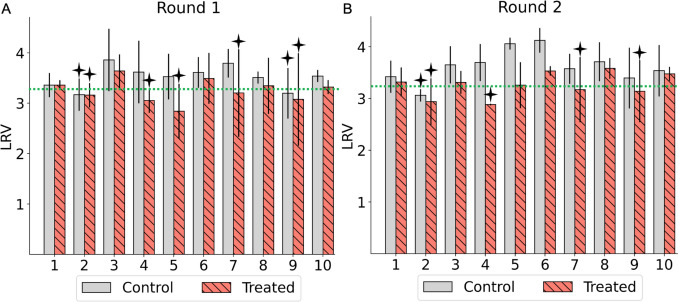
RNA viruses have high genetic diversity, allowing rapid adaptation to environmental pressures, such as disinfection. This diversity increases the likelihood of mutations influencing the viral sensitivity to disinfectants. Ethanol is widely used to control viral transmission; however, insufficient disinfection facilitates the survival of less-sensitive viruses. Further, the underlying mechanisms of ethanol-induced changes in viral sensitivity remain unclear. Here, we assessed the genetic characteristics of ethanol-adapted murine norovirus (MNV) and associated changes in viral sensitivity. Experimental ethanol-facilitated MNV adaptation and subsequent genetic characteristic evaluation of the whole genome sequence was performed. MNV was exposed to 70% ethanol for 5 s to achieve ± 3-log10 inactivation. Twelve MNV populations were identified as “less sensitive,” consisting of nine treated and three control populations. Less-sensitive MNV populations exhibited significantly higher synonymous nucleotide diversity (πS) in ORF1 (p = 0.001), which encodes the non-structural protein, than sensitive populations. Ethanol sensitivity and πS were negatively correlated in ORF1 (R = − 0.49, p = 0.003), indicating that high genetic diversity in ORF1 could be linked to reduced ethanol sensitivity. This study demonstrates an association between nucleotide diversity in specific coding regions of the MNV genome and ethanol sensitivity. These findings are vital for improving disinfection methods and anticipating emerging viruses that are more resistant to disinfectants.
• Several MNV populations reduced sensitivity to ethanol.
• Higher synonymous diversity in ORF1 linked to reduced ethanol sensitivity.
• Synonymous mutations can influence viral adaptation to ethanol.
期刊介绍:
Applied Microbiology and Biotechnology focusses on prokaryotic or eukaryotic cells, relevant enzymes and proteins; applied genetics and molecular biotechnology; genomics and proteomics; applied microbial and cell physiology; environmental biotechnology; process and products and more. The journal welcomes full-length papers and mini-reviews of new and emerging products, processes and technologies.






 京公网安备 11010802042870号
京ICP备2023020795号-1
京公网安备 11010802042870号
京ICP备2023020795号-1

 分享
分享
 求助内容:
求助内容: 应助结果提醒方式:
 扫码关注我们
