{"title":"结合核型、CNV-seq和QF-PCR提高产前诊断:高危妊娠染色体异常的综合分析。","authors":"Jia-Pei Liu, Shan-Bing Wang, Li Luo, Ya-Mei Guo","doi":"10.3389/fgene.2024.1517270","DOIUrl":null,"url":null,"abstract":"<p><strong>Objective: </strong>This study aims to assess the diagnostic efficacy of a combined approach integrating chromosomal karyotyping, copy number variation sequencing (CNV-seq), and quantitative fluorescence polymerase chain reaction (QF-PCR) in detecting chromosomal abnormalities in high-risk pregnancies.</p><p><strong>Methods: </strong>This retrospective study analyzed 617 high-risk pregnancies undergoing prenatal diagnosis from February 2023 to August 2024, with amniotic fluid samples concurrently analyzed using karyotyping, CNV-seq, and QF-PCR. We evaluated clinical characteristics, diagnostic yields, and inter-method concordance rates. Longitudinal follow-up assessed pregnancy outcomes and neonatal phenotypes, with particular emphasis on cases demonstrating diagnostic discrepancies or variants of uncertain clinical significance.</p><p><strong>Results: </strong>The integrated approach detected chromosomal abnormalities in 12.5% (77/617) of cases, significantly higher than the rates achieved by karyotyping alone (9.7%) and CNV-seq/QF-PCR alone (8.3%) (<i>p</i> < 0.05). Karyotyping showed full concordance with CNV-seq and QF-PCR in detecting major chromosomal aneuploidies, identifying 21 cases of trisomy 21 and 4 cases of trisomy 18. CNV-seq uniquely identified additional pathogenic copy number variations in 2.1% of cases and variants of uncertain significance (VUS) in 3.2% of cases, both undetectable by conventional karyotyping. Subjects with high-risk non-invasive prenatal testing (NIPT) results had the highest abnormality detection rate (57.6%, <i>p</i> < 0.05). Follow-up data revealed pregnancy termination in 44 of 97 cases with chromosomal abnormalities. Notably, neonates carrying pathogenic CNVs inherited from asymptomatic parents demonstrated normal phenotypes.</p><p><strong>Conclusion: </strong>The integration of karyotyping, CNV-seq, and QF-PCR provides superior diagnostic yield compared to individual testing strategies in high-risk pregnancies. Although karyotyping remains the gold standard for detecting major chromosomal aberrations, CNV-seq and QF-PCR enhance diagnostic precision through detection of submicroscopic variations. Multi-center studies with larger cohorts are needed to confirm these findings and clarify the clinical significance of uncertain variants.</p>","PeriodicalId":12750,"journal":{"name":"Frontiers in Genetics","volume":"15 ","pages":"1517270"},"PeriodicalIF":2.8000,"publicationDate":"2025-01-13","publicationTypes":"Journal Article","fieldsOfStudy":null,"isOpenAccess":false,"openAccessPdf":"https://www.ncbi.nlm.nih.gov/pmc/articles/PMC11770095/pdf/","citationCount":"0","resultStr":"{\"title\":\"Improving prenatal diagnosis with combined karyotyping, CNV-seq and QF-PCR: a comprehensive analysis of chromosomal abnormalities in high-risk pregnancies.\",\"authors\":\"Jia-Pei Liu, Shan-Bing Wang, Li Luo, Ya-Mei Guo\",\"doi\":\"10.3389/fgene.2024.1517270\",\"DOIUrl\":null,\"url\":null,\"abstract\":\"<p><strong>Objective: </strong>This study aims to assess the diagnostic efficacy of a combined approach integrating chromosomal karyotyping, copy number variation sequencing (CNV-seq), and quantitative fluorescence polymerase chain reaction (QF-PCR) in detecting chromosomal abnormalities in high-risk pregnancies.</p><p><strong>Methods: </strong>This retrospective study analyzed 617 high-risk pregnancies undergoing prenatal diagnosis from February 2023 to August 2024, with amniotic fluid samples concurrently analyzed using karyotyping, CNV-seq, and QF-PCR. We evaluated clinical characteristics, diagnostic yields, and inter-method concordance rates. Longitudinal follow-up assessed pregnancy outcomes and neonatal phenotypes, with particular emphasis on cases demonstrating diagnostic discrepancies or variants of uncertain clinical significance.</p><p><strong>Results: </strong>The integrated approach detected chromosomal abnormalities in 12.5% (77/617) of cases, significantly higher than the rates achieved by karyotyping alone (9.7%) and CNV-seq/QF-PCR alone (8.3%) (<i>p</i> < 0.05). Karyotyping showed full concordance with CNV-seq and QF-PCR in detecting major chromosomal aneuploidies, identifying 21 cases of trisomy 21 and 4 cases of trisomy 18. CNV-seq uniquely identified additional pathogenic copy number variations in 2.1% of cases and variants of uncertain significance (VUS) in 3.2% of cases, both undetectable by conventional karyotyping. Subjects with high-risk non-invasive prenatal testing (NIPT) results had the highest abnormality detection rate (57.6%, <i>p</i> < 0.05). Follow-up data revealed pregnancy termination in 44 of 97 cases with chromosomal abnormalities. Notably, neonates carrying pathogenic CNVs inherited from asymptomatic parents demonstrated normal phenotypes.</p><p><strong>Conclusion: </strong>The integration of karyotyping, CNV-seq, and QF-PCR provides superior diagnostic yield compared to individual testing strategies in high-risk pregnancies. Although karyotyping remains the gold standard for detecting major chromosomal aberrations, CNV-seq and QF-PCR enhance diagnostic precision through detection of submicroscopic variations. Multi-center studies with larger cohorts are needed to confirm these findings and clarify the clinical significance of uncertain variants.</p>\",\"PeriodicalId\":12750,\"journal\":{\"name\":\"Frontiers in Genetics\",\"volume\":\"15 \",\"pages\":\"1517270\"},\"PeriodicalIF\":2.8000,\"publicationDate\":\"2025-01-13\",\"publicationTypes\":\"Journal Article\",\"fieldsOfStudy\":null,\"isOpenAccess\":false,\"openAccessPdf\":\"https://www.ncbi.nlm.nih.gov/pmc/articles/PMC11770095/pdf/\",\"citationCount\":\"0\",\"resultStr\":null,\"platform\":\"Semanticscholar\",\"paperid\":null,\"PeriodicalName\":\"Frontiers in Genetics\",\"FirstCategoryId\":\"99\",\"ListUrlMain\":\"https://doi.org/10.3389/fgene.2024.1517270\",\"RegionNum\":3,\"RegionCategory\":\"生物学\",\"ArticlePicture\":[],\"TitleCN\":null,\"AbstractTextCN\":null,\"PMCID\":null,\"EPubDate\":\"2024/1/1 0:00:00\",\"PubModel\":\"eCollection\",\"JCR\":\"Q2\",\"JCRName\":\"GENETICS & HEREDITY\",\"Score\":null,\"Total\":0}","platform":"Semanticscholar","paperid":null,"PeriodicalName":"Frontiers in Genetics","FirstCategoryId":"99","ListUrlMain":"https://doi.org/10.3389/fgene.2024.1517270","RegionNum":3,"RegionCategory":"生物学","ArticlePicture":[],"TitleCN":null,"AbstractTextCN":null,"PMCID":null,"EPubDate":"2024/1/1 0:00:00","PubModel":"eCollection","JCR":"Q2","JCRName":"GENETICS & HEREDITY","Score":null,"Total":0}
Improving prenatal diagnosis with combined karyotyping, CNV-seq and QF-PCR: a comprehensive analysis of chromosomal abnormalities in high-risk pregnancies.
Objective: This study aims to assess the diagnostic efficacy of a combined approach integrating chromosomal karyotyping, copy number variation sequencing (CNV-seq), and quantitative fluorescence polymerase chain reaction (QF-PCR) in detecting chromosomal abnormalities in high-risk pregnancies.
Methods: This retrospective study analyzed 617 high-risk pregnancies undergoing prenatal diagnosis from February 2023 to August 2024, with amniotic fluid samples concurrently analyzed using karyotyping, CNV-seq, and QF-PCR. We evaluated clinical characteristics, diagnostic yields, and inter-method concordance rates. Longitudinal follow-up assessed pregnancy outcomes and neonatal phenotypes, with particular emphasis on cases demonstrating diagnostic discrepancies or variants of uncertain clinical significance.
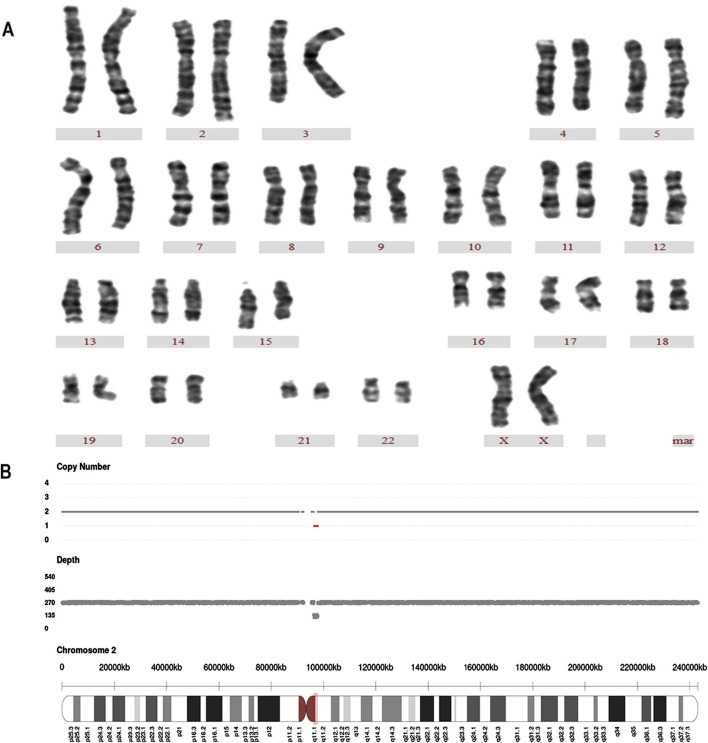
Results: The integrated approach detected chromosomal abnormalities in 12.5% (77/617) of cases, significantly higher than the rates achieved by karyotyping alone (9.7%) and CNV-seq/QF-PCR alone (8.3%) (p < 0.05). Karyotyping showed full concordance with CNV-seq and QF-PCR in detecting major chromosomal aneuploidies, identifying 21 cases of trisomy 21 and 4 cases of trisomy 18. CNV-seq uniquely identified additional pathogenic copy number variations in 2.1% of cases and variants of uncertain significance (VUS) in 3.2% of cases, both undetectable by conventional karyotyping. Subjects with high-risk non-invasive prenatal testing (NIPT) results had the highest abnormality detection rate (57.6%, p < 0.05). Follow-up data revealed pregnancy termination in 44 of 97 cases with chromosomal abnormalities. Notably, neonates carrying pathogenic CNVs inherited from asymptomatic parents demonstrated normal phenotypes.
Conclusion: The integration of karyotyping, CNV-seq, and QF-PCR provides superior diagnostic yield compared to individual testing strategies in high-risk pregnancies. Although karyotyping remains the gold standard for detecting major chromosomal aberrations, CNV-seq and QF-PCR enhance diagnostic precision through detection of submicroscopic variations. Multi-center studies with larger cohorts are needed to confirm these findings and clarify the clinical significance of uncertain variants.
Frontiers in GeneticsBiochemistry, Genetics and Molecular Biology-Molecular Medicine
CiteScore
5.50
自引率
8.10%
发文量
3491
审稿时长
14 weeks
期刊介绍:
Frontiers in Genetics publishes rigorously peer-reviewed research on genes and genomes relating to all the domains of life, from humans to plants to livestock and other model organisms. Led by an outstanding Editorial Board of the world’s leading experts, this multidisciplinary, open-access journal is at the forefront of communicating cutting-edge research to researchers, academics, clinicians, policy makers and the public.
The study of inheritance and the impact of the genome on various biological processes is well documented. However, the majority of discoveries are still to come. A new era is seeing major developments in the function and variability of the genome, the use of genetic and genomic tools and the analysis of the genetic basis of various biological phenomena.




 京公网安备 11010802042870号
京ICP备2023020795号-1
京公网安备 11010802042870号
京ICP备2023020795号-1

 分享
分享
 求助内容:
求助内容: 应助结果提醒方式:
 扫码关注我们
