{"title":"纳米材料/纳米颗粒合成与AMD处理/资源回收的研究进展","authors":"Zibin Pan , Zhi Dang , Zuliang Chen","doi":"10.1016/j.jclepro.2025.144914","DOIUrl":null,"url":null,"abstract":"<div><div>Acid mine drainage (AMD) causes serious ecological and environmental pollution problems, which is now a worldwide concern due to the large amounts of toxic metallic elements/metalloids components. How to treat AMD and recover/reuse its valuable resources has become one of the most significant research topics in what is known as the resource-based circular economy. In this review, recent advances in research are discussed regarding AMD in terms of formation, hazards, treatment technologies, as well as synthesis of nanomaterials combined with high value utilization or recycling of resources. Firstly, the process of forming AMD and its hazards to the mine location environment, including soil and water, were described. Secondly, the recovery of valuable resources such as Cu, Fe, Al and rare earth elements from AMD and their several kinds of applications (catalysts, synthesis of nanomaterials, semiconductors, etc.) are summarized. Thirdly, the advantages and disadvantages of the various technologies currently available for treating AMD and their present status of research are analyzed, which indicates that adsorption is one of the major contentious topics of research and is described in detail. Then, various methods and mechanisms for the synthesis of adsorbent nanomaterials such as common chemical and biological methods and their applications in AMD treatment/resource recovery were introduced. Finally, recent achievements and fresh insights into the integration of AMD treatment with the synthesis of nanomaterials were comprehensively presented, which include the synthesis of nanomaterials in AMD and the simultaneous recovery of valuable metals based on a variety of methods such as chemical, biological, and industrial waste. We aim to contribute some new light to future research by presenting these advances and challenges regarding nanomaterials synthesis and AMD treatment/resource reuse.</div></div>","PeriodicalId":349,"journal":{"name":"Journal of Cleaner Production","volume":"492 ","pages":"Article 144914"},"PeriodicalIF":10.0000,"publicationDate":"2025-02-10","publicationTypes":"Journal Article","fieldsOfStudy":null,"isOpenAccess":false,"openAccessPdf":"","citationCount":"0","resultStr":"{\"title\":\"Recent advances made in the synthesis of nanomaterials/nanoparticles combined with AMD treatment/resource recycling - A review\",\"authors\":\"Zibin Pan , Zhi Dang , Zuliang Chen\",\"doi\":\"10.1016/j.jclepro.2025.144914\",\"DOIUrl\":null,\"url\":null,\"abstract\":\"<div><div>Acid mine drainage (AMD) causes serious ecological and environmental pollution problems, which is now a worldwide concern due to the large amounts of toxic metallic elements/metalloids components. How to treat AMD and recover/reuse its valuable resources has become one of the most significant research topics in what is known as the resource-based circular economy. In this review, recent advances in research are discussed regarding AMD in terms of formation, hazards, treatment technologies, as well as synthesis of nanomaterials combined with high value utilization or recycling of resources. Firstly, the process of forming AMD and its hazards to the mine location environment, including soil and water, were described. Secondly, the recovery of valuable resources such as Cu, Fe, Al and rare earth elements from AMD and their several kinds of applications (catalysts, synthesis of nanomaterials, semiconductors, etc.) are summarized. Thirdly, the advantages and disadvantages of the various technologies currently available for treating AMD and their present status of research are analyzed, which indicates that adsorption is one of the major contentious topics of research and is described in detail. Then, various methods and mechanisms for the synthesis of adsorbent nanomaterials such as common chemical and biological methods and their applications in AMD treatment/resource recovery were introduced. Finally, recent achievements and fresh insights into the integration of AMD treatment with the synthesis of nanomaterials were comprehensively presented, which include the synthesis of nanomaterials in AMD and the simultaneous recovery of valuable metals based on a variety of methods such as chemical, biological, and industrial waste. We aim to contribute some new light to future research by presenting these advances and challenges regarding nanomaterials synthesis and AMD treatment/resource reuse.</div></div>\",\"PeriodicalId\":349,\"journal\":{\"name\":\"Journal of Cleaner Production\",\"volume\":\"492 \",\"pages\":\"Article 144914\"},\"PeriodicalIF\":10.0000,\"publicationDate\":\"2025-02-10\",\"publicationTypes\":\"Journal Article\",\"fieldsOfStudy\":null,\"isOpenAccess\":false,\"openAccessPdf\":\"\",\"citationCount\":\"0\",\"resultStr\":null,\"platform\":\"Semanticscholar\",\"paperid\":null,\"PeriodicalName\":\"Journal of Cleaner Production\",\"FirstCategoryId\":\"93\",\"ListUrlMain\":\"https://www.sciencedirect.com/science/article/pii/S0959652625002641\",\"RegionNum\":1,\"RegionCategory\":\"环境科学与生态学\",\"ArticlePicture\":[],\"TitleCN\":null,\"AbstractTextCN\":null,\"PMCID\":null,\"EPubDate\":\"2025/1/30 0:00:00\",\"PubModel\":\"Epub\",\"JCR\":\"Q1\",\"JCRName\":\"ENGINEERING, ENVIRONMENTAL\",\"Score\":null,\"Total\":0}","platform":"Semanticscholar","paperid":null,"PeriodicalName":"Journal of Cleaner Production","FirstCategoryId":"93","ListUrlMain":"https://www.sciencedirect.com/science/article/pii/S0959652625002641","RegionNum":1,"RegionCategory":"环境科学与生态学","ArticlePicture":[],"TitleCN":null,"AbstractTextCN":null,"PMCID":null,"EPubDate":"2025/1/30 0:00:00","PubModel":"Epub","JCR":"Q1","JCRName":"ENGINEERING, ENVIRONMENTAL","Score":null,"Total":0}
Recent advances made in the synthesis of nanomaterials/nanoparticles combined with AMD treatment/resource recycling - A review
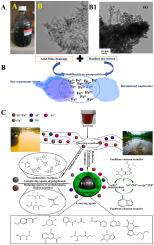
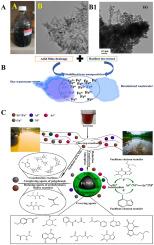
Acid mine drainage (AMD) causes serious ecological and environmental pollution problems, which is now a worldwide concern due to the large amounts of toxic metallic elements/metalloids components. How to treat AMD and recover/reuse its valuable resources has become one of the most significant research topics in what is known as the resource-based circular economy. In this review, recent advances in research are discussed regarding AMD in terms of formation, hazards, treatment technologies, as well as synthesis of nanomaterials combined with high value utilization or recycling of resources. Firstly, the process of forming AMD and its hazards to the mine location environment, including soil and water, were described. Secondly, the recovery of valuable resources such as Cu, Fe, Al and rare earth elements from AMD and their several kinds of applications (catalysts, synthesis of nanomaterials, semiconductors, etc.) are summarized. Thirdly, the advantages and disadvantages of the various technologies currently available for treating AMD and their present status of research are analyzed, which indicates that adsorption is one of the major contentious topics of research and is described in detail. Then, various methods and mechanisms for the synthesis of adsorbent nanomaterials such as common chemical and biological methods and their applications in AMD treatment/resource recovery were introduced. Finally, recent achievements and fresh insights into the integration of AMD treatment with the synthesis of nanomaterials were comprehensively presented, which include the synthesis of nanomaterials in AMD and the simultaneous recovery of valuable metals based on a variety of methods such as chemical, biological, and industrial waste. We aim to contribute some new light to future research by presenting these advances and challenges regarding nanomaterials synthesis and AMD treatment/resource reuse.
期刊介绍:
The Journal of Cleaner Production is an international, transdisciplinary journal that addresses and discusses theoretical and practical Cleaner Production, Environmental, and Sustainability issues. It aims to help societies become more sustainable by focusing on the concept of 'Cleaner Production', which aims at preventing waste production and increasing efficiencies in energy, water, resources, and human capital use. The journal serves as a platform for corporations, governments, education institutions, regions, and societies to engage in discussions and research related to Cleaner Production, environmental, and sustainability practices.




 京公网安备 11010802042870号
京ICP备2023020795号-1
京公网安备 11010802042870号
京ICP备2023020795号-1

 分享
分享
 求助内容:
求助内容: 应助结果提醒方式:
 扫码关注我们
