{"title":"轮椅网球正手击球阶段优势臂的运动和肌肉协同激活模式。","authors":"Khaled Abuwarda, Abdel-Rahman Akl","doi":"10.3389/fbioe.2024.1518091","DOIUrl":null,"url":null,"abstract":"<p><strong>Objective: </strong>This study investigated upper limb kinematics and muscle co-activation in wheelchair tennis players during the forehand stroke. By analyzing linear and angular kinematic variables alongside muscle co-activation patterns, the study aimed to provide insights into the biomechanical mechanisms supporting forehand stroke performance.</p><p><strong>Method: </strong>Fifteen professional male wheelchair tennis players (height: 163.9 ± 2.05 cm; mass: 64.1 ± 3.07 kg; age: 32.2 ± 7.97 years) participated in this study. Electromyographic data from six muscles around the dominant arm joints were recorded using the Myon system. Four fixed GoPro Hero 8 cameras (120 Hz) captured 3D video, and kinematic analyses were performed using the APAS system. The forehand stroke was analyzed across three phases: (1) backswing, (2) forwardswing, and (3) follow-through.</p><p><strong>Results: </strong>The results showed significant phase-specific changes in muscle co-activation for the shoulder (<i>p</i> < 0.001), elbow (<i>p</i> < 0.005), and wrist (<i>p</i> < 0.01). Muscle co-activation was highest during the backswing phase, decreased during the forwardswing, and increased again during the follow-through phase. This pattern reflects the need for joint stability and control, particularly when changing stroke direction and slowing the arm after impact.</p><p><strong>Conclusion: </strong>These findings provide novel insights into the kinematic and neuromuscular mechanisms underlying the forehand stroke in wheelchair tennis. The data provide hypotheses about potential training and rehabilitation strategies that should be tested by prospective studies. The results also highlight the unique demands of wheelchair tennis, contributing to inclusive, evidence-based approaches to enhancing performance and safety in disability sports.</p>","PeriodicalId":12444,"journal":{"name":"Frontiers in Bioengineering and Biotechnology","volume":"12 ","pages":"1518091"},"PeriodicalIF":4.8000,"publicationDate":"2025-01-14","publicationTypes":"Journal Article","fieldsOfStudy":null,"isOpenAccess":false,"openAccessPdf":"https://www.ncbi.nlm.nih.gov/pmc/articles/PMC11772433/pdf/","citationCount":"0","resultStr":"{\"title\":\"Kinematic and muscle co-activation patterns in the dominant arm across forehand stroke phases in wheelchair tennis.\",\"authors\":\"Khaled Abuwarda, Abdel-Rahman Akl\",\"doi\":\"10.3389/fbioe.2024.1518091\",\"DOIUrl\":null,\"url\":null,\"abstract\":\"<p><strong>Objective: </strong>This study investigated upper limb kinematics and muscle co-activation in wheelchair tennis players during the forehand stroke. By analyzing linear and angular kinematic variables alongside muscle co-activation patterns, the study aimed to provide insights into the biomechanical mechanisms supporting forehand stroke performance.</p><p><strong>Method: </strong>Fifteen professional male wheelchair tennis players (height: 163.9 ± 2.05 cm; mass: 64.1 ± 3.07 kg; age: 32.2 ± 7.97 years) participated in this study. Electromyographic data from six muscles around the dominant arm joints were recorded using the Myon system. Four fixed GoPro Hero 8 cameras (120 Hz) captured 3D video, and kinematic analyses were performed using the APAS system. The forehand stroke was analyzed across three phases: (1) backswing, (2) forwardswing, and (3) follow-through.</p><p><strong>Results: </strong>The results showed significant phase-specific changes in muscle co-activation for the shoulder (<i>p</i> < 0.001), elbow (<i>p</i> < 0.005), and wrist (<i>p</i> < 0.01). Muscle co-activation was highest during the backswing phase, decreased during the forwardswing, and increased again during the follow-through phase. This pattern reflects the need for joint stability and control, particularly when changing stroke direction and slowing the arm after impact.</p><p><strong>Conclusion: </strong>These findings provide novel insights into the kinematic and neuromuscular mechanisms underlying the forehand stroke in wheelchair tennis. The data provide hypotheses about potential training and rehabilitation strategies that should be tested by prospective studies. The results also highlight the unique demands of wheelchair tennis, contributing to inclusive, evidence-based approaches to enhancing performance and safety in disability sports.</p>\",\"PeriodicalId\":12444,\"journal\":{\"name\":\"Frontiers in Bioengineering and Biotechnology\",\"volume\":\"12 \",\"pages\":\"1518091\"},\"PeriodicalIF\":4.8000,\"publicationDate\":\"2025-01-14\",\"publicationTypes\":\"Journal Article\",\"fieldsOfStudy\":null,\"isOpenAccess\":false,\"openAccessPdf\":\"https://www.ncbi.nlm.nih.gov/pmc/articles/PMC11772433/pdf/\",\"citationCount\":\"0\",\"resultStr\":null,\"platform\":\"Semanticscholar\",\"paperid\":null,\"PeriodicalName\":\"Frontiers in Bioengineering and Biotechnology\",\"FirstCategoryId\":\"5\",\"ListUrlMain\":\"https://doi.org/10.3389/fbioe.2024.1518091\",\"RegionNum\":3,\"RegionCategory\":\"工程技术\",\"ArticlePicture\":[],\"TitleCN\":null,\"AbstractTextCN\":null,\"PMCID\":null,\"EPubDate\":\"2024/1/1 0:00:00\",\"PubModel\":\"eCollection\",\"JCR\":\"Q1\",\"JCRName\":\"BIOTECHNOLOGY & APPLIED MICROBIOLOGY\",\"Score\":null,\"Total\":0}","platform":"Semanticscholar","paperid":null,"PeriodicalName":"Frontiers in Bioengineering and Biotechnology","FirstCategoryId":"5","ListUrlMain":"https://doi.org/10.3389/fbioe.2024.1518091","RegionNum":3,"RegionCategory":"工程技术","ArticlePicture":[],"TitleCN":null,"AbstractTextCN":null,"PMCID":null,"EPubDate":"2024/1/1 0:00:00","PubModel":"eCollection","JCR":"Q1","JCRName":"BIOTECHNOLOGY & APPLIED MICROBIOLOGY","Score":null,"Total":0}
Kinematic and muscle co-activation patterns in the dominant arm across forehand stroke phases in wheelchair tennis.
Objective: This study investigated upper limb kinematics and muscle co-activation in wheelchair tennis players during the forehand stroke. By analyzing linear and angular kinematic variables alongside muscle co-activation patterns, the study aimed to provide insights into the biomechanical mechanisms supporting forehand stroke performance.
Method: Fifteen professional male wheelchair tennis players (height: 163.9 ± 2.05 cm; mass: 64.1 ± 3.07 kg; age: 32.2 ± 7.97 years) participated in this study. Electromyographic data from six muscles around the dominant arm joints were recorded using the Myon system. Four fixed GoPro Hero 8 cameras (120 Hz) captured 3D video, and kinematic analyses were performed using the APAS system. The forehand stroke was analyzed across three phases: (1) backswing, (2) forwardswing, and (3) follow-through.
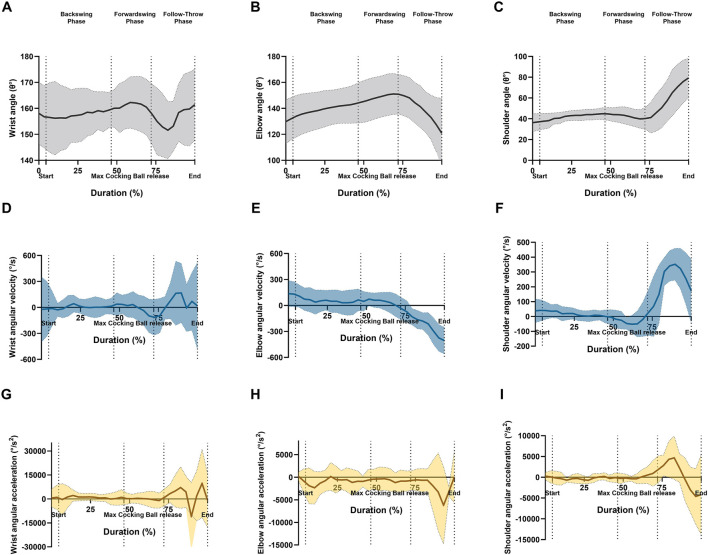
Results: The results showed significant phase-specific changes in muscle co-activation for the shoulder (p < 0.001), elbow (p < 0.005), and wrist (p < 0.01). Muscle co-activation was highest during the backswing phase, decreased during the forwardswing, and increased again during the follow-through phase. This pattern reflects the need for joint stability and control, particularly when changing stroke direction and slowing the arm after impact.
Conclusion: These findings provide novel insights into the kinematic and neuromuscular mechanisms underlying the forehand stroke in wheelchair tennis. The data provide hypotheses about potential training and rehabilitation strategies that should be tested by prospective studies. The results also highlight the unique demands of wheelchair tennis, contributing to inclusive, evidence-based approaches to enhancing performance and safety in disability sports.
期刊介绍:
The translation of new discoveries in medicine to clinical routine has never been easy. During the second half of the last century, thanks to the progress in chemistry, biochemistry and pharmacology, we have seen the development and the application of a large number of drugs and devices aimed at the treatment of symptoms, blocking unwanted pathways and, in the case of infectious diseases, fighting the micro-organisms responsible. However, we are facing, today, a dramatic change in the therapeutic approach to pathologies and diseases. Indeed, the challenge of the present and the next decade is to fully restore the physiological status of the diseased organism and to completely regenerate tissue and organs when they are so seriously affected that treatments cannot be limited to the repression of symptoms or to the repair of damage. This is being made possible thanks to the major developments made in basic cell and molecular biology, including stem cell science, growth factor delivery, gene isolation and transfection, the advances in bioengineering and nanotechnology, including development of new biomaterials, biofabrication technologies and use of bioreactors, and the big improvements in diagnostic tools and imaging of cells, tissues and organs.
In today`s world, an enhancement of communication between multidisciplinary experts, together with the promotion of joint projects and close collaborations among scientists, engineers, industry people, regulatory agencies and physicians are absolute requirements for the success of any attempt to develop and clinically apply a new biological therapy or an innovative device involving the collective use of biomaterials, cells and/or bioactive molecules. “Frontiers in Bioengineering and Biotechnology” aspires to be a forum for all people involved in the process by bridging the gap too often existing between a discovery in the basic sciences and its clinical application.






 京公网安备 11010802042870号
京ICP备2023020795号-1
京公网安备 11010802042870号
京ICP备2023020795号-1

 分享
分享
 求助内容:
求助内容: 应助结果提醒方式:
 扫码关注我们
