Neslihan Gokcen, Andac Komac, Fatma Tuncer Kuru, Ozlem Ozdemir Isik, Duygu Temiz Karadag, Ayten Yazici, Ayse Cefle
{"title":"睡眠卫生不足是系统性硬化症患者睡眠质量差的关键因素:一项观察性横断面研究。","authors":"Neslihan Gokcen, Andac Komac, Fatma Tuncer Kuru, Ozlem Ozdemir Isik, Duygu Temiz Karadag, Ayten Yazici, Ayse Cefle","doi":"10.1007/s00296-025-05794-7","DOIUrl":null,"url":null,"abstract":"<p><p>This study aims to investigate the relationship between sleep hygiene and sleep quality in patients with systemic sclerosis (SSc) and to compare the sleep hygiene and sleep quality outcomes across three distinct groups: SSc patients, rheumatoid arthritis (RA) patients, and healthy controls (HC). This study employed an observational, cross-sectional, and parallel group design. SSc-related and RA-related variables, depression and anxiety were assessed. Physical function and quality of life, pain and fatigue of SSc patients were also evaluated. Sleep quality using the Pittsburg Sleep Quality Index (PSQI) and sleep hygiene using the Sleep Hygiene Index (SHI) were evaluated for all participants. Linear regression analysis was performed to show the relationship between the SHI scores and the other variables. Total PSQI and SHI scores were found to be significantly higher in SSc patients than in RA patients and HC. Fatigue, smoking, all SF-36 domains, depression and anxiety scores were associated with SHI scores in SSc patients. In the univariate logistic regression analysis, SSc patients exhibited 4.50 times higher odds (95% CI 2.165-9.353, p < 0.001) of experiencing poor sleep than RA patients and HC. In SSc patients, for every incremental increase in SHI score, the odds of poor sleep quality were 1.15 times higher (95% CI 1.093-1.220, p < 0.001). Sleep hygiene and sleep quality exhibit a more pronounced deterioration in SSc patients. Inadequate sleep hygiene is associated with compromised sleep quality in SSc. Therefore, improving sleep hygiene practices may be a key strategy to enhance the overall sleep quality in this population.</p>","PeriodicalId":21322,"journal":{"name":"Rheumatology International","volume":"45 2","pages":"40"},"PeriodicalIF":2.9000,"publicationDate":"2025-01-31","publicationTypes":"Journal Article","fieldsOfStudy":null,"isOpenAccess":false,"openAccessPdf":"https://www.ncbi.nlm.nih.gov/pmc/articles/PMC11785615/pdf/","citationCount":"0","resultStr":"{\"title\":\"Inadequate sleep hygiene as a key factor in poor sleep quality in systemic sclerosis: an observational, cross-sectional study.\",\"authors\":\"Neslihan Gokcen, Andac Komac, Fatma Tuncer Kuru, Ozlem Ozdemir Isik, Duygu Temiz Karadag, Ayten Yazici, Ayse Cefle\",\"doi\":\"10.1007/s00296-025-05794-7\",\"DOIUrl\":null,\"url\":null,\"abstract\":\"<p><p>This study aims to investigate the relationship between sleep hygiene and sleep quality in patients with systemic sclerosis (SSc) and to compare the sleep hygiene and sleep quality outcomes across three distinct groups: SSc patients, rheumatoid arthritis (RA) patients, and healthy controls (HC). This study employed an observational, cross-sectional, and parallel group design. SSc-related and RA-related variables, depression and anxiety were assessed. Physical function and quality of life, pain and fatigue of SSc patients were also evaluated. Sleep quality using the Pittsburg Sleep Quality Index (PSQI) and sleep hygiene using the Sleep Hygiene Index (SHI) were evaluated for all participants. Linear regression analysis was performed to show the relationship between the SHI scores and the other variables. Total PSQI and SHI scores were found to be significantly higher in SSc patients than in RA patients and HC. Fatigue, smoking, all SF-36 domains, depression and anxiety scores were associated with SHI scores in SSc patients. In the univariate logistic regression analysis, SSc patients exhibited 4.50 times higher odds (95% CI 2.165-9.353, p < 0.001) of experiencing poor sleep than RA patients and HC. In SSc patients, for every incremental increase in SHI score, the odds of poor sleep quality were 1.15 times higher (95% CI 1.093-1.220, p < 0.001). Sleep hygiene and sleep quality exhibit a more pronounced deterioration in SSc patients. Inadequate sleep hygiene is associated with compromised sleep quality in SSc. Therefore, improving sleep hygiene practices may be a key strategy to enhance the overall sleep quality in this population.</p>\",\"PeriodicalId\":21322,\"journal\":{\"name\":\"Rheumatology International\",\"volume\":\"45 2\",\"pages\":\"40\"},\"PeriodicalIF\":2.9000,\"publicationDate\":\"2025-01-31\",\"publicationTypes\":\"Journal Article\",\"fieldsOfStudy\":null,\"isOpenAccess\":false,\"openAccessPdf\":\"https://www.ncbi.nlm.nih.gov/pmc/articles/PMC11785615/pdf/\",\"citationCount\":\"0\",\"resultStr\":null,\"platform\":\"Semanticscholar\",\"paperid\":null,\"PeriodicalName\":\"Rheumatology International\",\"FirstCategoryId\":\"3\",\"ListUrlMain\":\"https://doi.org/10.1007/s00296-025-05794-7\",\"RegionNum\":3,\"RegionCategory\":\"医学\",\"ArticlePicture\":[],\"TitleCN\":null,\"AbstractTextCN\":null,\"PMCID\":null,\"EPubDate\":\"\",\"PubModel\":\"\",\"JCR\":\"Q2\",\"JCRName\":\"RHEUMATOLOGY\",\"Score\":null,\"Total\":0}","platform":"Semanticscholar","paperid":null,"PeriodicalName":"Rheumatology International","FirstCategoryId":"3","ListUrlMain":"https://doi.org/10.1007/s00296-025-05794-7","RegionNum":3,"RegionCategory":"医学","ArticlePicture":[],"TitleCN":null,"AbstractTextCN":null,"PMCID":null,"EPubDate":"","PubModel":"","JCR":"Q2","JCRName":"RHEUMATOLOGY","Score":null,"Total":0}
引用次数: 0
摘要
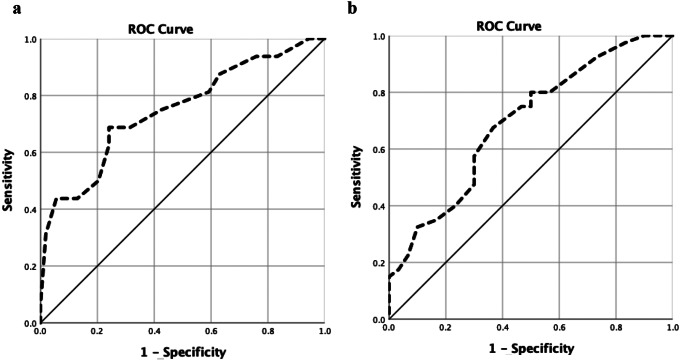
本研究旨在探讨系统性硬化症(SSc)患者睡眠卫生与睡眠质量之间的关系,并比较SSc患者、类风湿关节炎(RA)患者和健康对照组(HC)三组患者的睡眠卫生和睡眠质量结果。本研究采用观察性、横断面、平行组设计。评估ssc相关和ra相关变量、抑郁和焦虑。对SSc患者的身体功能、生活质量、疼痛和疲劳进行评价。使用匹兹堡睡眠质量指数(PSQI)评估所有参与者的睡眠质量,使用睡眠卫生指数(SHI)评估睡眠卫生。线性回归分析显示了SHI分数与其他变量之间的关系。SSc患者PSQI和SHI总分明显高于RA和HC患者。SSc患者的疲劳、吸烟、所有SF-36域、抑郁和焦虑评分与SHI评分相关。在单因素logistic回归分析中,SSc患者的风险高出4.50倍(95% CI 2.165-9.353, p
Inadequate sleep hygiene as a key factor in poor sleep quality in systemic sclerosis: an observational, cross-sectional study.
This study aims to investigate the relationship between sleep hygiene and sleep quality in patients with systemic sclerosis (SSc) and to compare the sleep hygiene and sleep quality outcomes across three distinct groups: SSc patients, rheumatoid arthritis (RA) patients, and healthy controls (HC). This study employed an observational, cross-sectional, and parallel group design. SSc-related and RA-related variables, depression and anxiety were assessed. Physical function and quality of life, pain and fatigue of SSc patients were also evaluated. Sleep quality using the Pittsburg Sleep Quality Index (PSQI) and sleep hygiene using the Sleep Hygiene Index (SHI) were evaluated for all participants. Linear regression analysis was performed to show the relationship between the SHI scores and the other variables. Total PSQI and SHI scores were found to be significantly higher in SSc patients than in RA patients and HC. Fatigue, smoking, all SF-36 domains, depression and anxiety scores were associated with SHI scores in SSc patients. In the univariate logistic regression analysis, SSc patients exhibited 4.50 times higher odds (95% CI 2.165-9.353, p < 0.001) of experiencing poor sleep than RA patients and HC. In SSc patients, for every incremental increase in SHI score, the odds of poor sleep quality were 1.15 times higher (95% CI 1.093-1.220, p < 0.001). Sleep hygiene and sleep quality exhibit a more pronounced deterioration in SSc patients. Inadequate sleep hygiene is associated with compromised sleep quality in SSc. Therefore, improving sleep hygiene practices may be a key strategy to enhance the overall sleep quality in this population.
期刊介绍:
RHEUMATOLOGY INTERNATIONAL is an independent journal reflecting world-wide progress in the research, diagnosis and treatment of the various rheumatic diseases. It is designed to serve researchers and clinicians in the field of rheumatology.
RHEUMATOLOGY INTERNATIONAL will cover all modern trends in clinical research as well as in the management of rheumatic diseases. Special emphasis will be given to public health issues related to rheumatic diseases, applying rheumatology research to clinical practice, epidemiology of rheumatic diseases, diagnostic tests for rheumatic diseases, patient reported outcomes (PROs) in rheumatology and evidence on education of rheumatology. Contributions to these topics will appear in the form of original publications, short communications, editorials, and reviews. "Letters to the editor" will be welcome as an enhancement to discussion. Basic science research, including in vitro or animal studies, is discouraged to submit, as we will only review studies on humans with an epidemological or clinical perspective. Case reports without a proper review of the literatura (Case-based Reviews) will not be published. Every effort will be made to ensure speed of publication while maintaining a high standard of contents and production.
Manuscripts submitted for publication must contain a statement to the effect that all human studies have been reviewed by the appropriate ethics committee and have therefore been performed in accordance with the ethical standards laid down in an appropriate version of the 1964 Declaration of Helsinki. It should also be stated clearly in the text that all persons gave their informed consent prior to their inclusion in the study. Details that might disclose the identity of the subjects under study should be omitted.





 京公网安备 11010802042870号
京ICP备2023020795号-1
京公网安备 11010802042870号
京ICP备2023020795号-1

 分享
分享
 求助内容:
求助内容: 应助结果提醒方式:
 扫码关注我们
