Pengju Yu , Mi Zhou , Deshui Yu , Zhongchi Zhang , Shuting Ye , Yifa Yu , Xianyun Sun , Shaojie Li , Chengcheng Hu
{"title":"真菌麦角甾醇生物合成扰动对甾醇生物合成基因的靶向调控","authors":"Pengju Yu , Mi Zhou , Deshui Yu , Zhongchi Zhang , Shuting Ye , Yifa Yu , Xianyun Sun , Shaojie Li , Chengcheng Hu","doi":"10.1016/j.jare.2025.01.046","DOIUrl":null,"url":null,"abstract":"<div><h3>Introduction</h3><div>The synthesis and regulation of ergosterol are vital for fungal growth and stress adaptation. While ergosterol-mediated feedback regulation is a recognized mechanism controlling sterol biosynthesis in fungi, prior research suggests the presence of additional regulatory mechanisms. However, the specifics of the alternative regulatory mechanisms have not been systematically investigated.</div></div><div><h3>Objectives</h3><div>We proposed that a regulatory network is likely to discern disturbances in sterol biosynthesis and trigger responses accordingly. This study aimed to validate the hypothesis and investigate the regulatory mechanisms.</div></div><div><h3>Methods</h3><div>Quantitative Real-time PCR and HPLC-MS/MS were used to explore and compare the regulation of sterol biosynthesis in different fungi. Key transcription factors involved in the alternative regulatory mechanism in <em>Neurospora crassa</em> were identified by phenotypic profiling of a transcription factor mutant library. ChIP-qPCR, fluorescence confocal imaging, RNA sequencing, and gene set enrichment analysis (GSEA) were used to reveal the mechanism of each transcription factor.</div></div><div><h3>Results</h3><div>Unlike the canonical ergosterol-mediated feedback regulation in fungi like <em>C. neoformans</em>, our study demonstrated that the inhibitions of ergosterol biosynthesis at specific steps triggered distinct transcriptional responses of <em>erg</em> genes in fungi, including <em>N. crassa</em> and <em>Aspergillus fumigatus</em>. In <em>N. crassa</em>, the responses were orchestrated by different transcription factors. Specifically, the inhibition of ERG24 and ERG2 activated transcription factors SAH-2 and AtrR, resulting in the upregulation of <em>erg24</em>, <em>erg2</em>, <em>erg25,</em> and <em>erg3</em>. Furthermore, the inhibition of ERG11/CYP51 activated transcription factor NcSR, leading to the upregulation of <em>erg11</em> and <em>erg6</em>. Phenotypic profiles of mutants of various <em>N. crassa erg</em> genes and the aforementioned transcription factors implied that the targeted regulation of ergosterol biosynthesis could fortify fungal viability within complex habitats.</div></div><div><h3>Conclusion</h3><div>Our study reveals a novel regulatory mechanism in fungi: targeted upregulation of specific sterol biosynthesis genes in response to given perturbations in ergosterol biosynthesis, exhibiting a higher degree of precision and sophistication in sterol biosynthesis regulation.</div></div>","PeriodicalId":14952,"journal":{"name":"Journal of Advanced Research","volume":"77 ","pages":"Pages 341-356"},"PeriodicalIF":13.0000,"publicationDate":"2025-11-01","publicationTypes":"Journal Article","fieldsOfStudy":null,"isOpenAccess":false,"openAccessPdf":"","citationCount":"0","resultStr":"{\"title\":\"Targeted regulation of sterol biosynthesis genes according to perturbations in ergosterol biosynthesis in fungi\",\"authors\":\"Pengju Yu , Mi Zhou , Deshui Yu , Zhongchi Zhang , Shuting Ye , Yifa Yu , Xianyun Sun , Shaojie Li , Chengcheng Hu\",\"doi\":\"10.1016/j.jare.2025.01.046\",\"DOIUrl\":null,\"url\":null,\"abstract\":\"<div><h3>Introduction</h3><div>The synthesis and regulation of ergosterol are vital for fungal growth and stress adaptation. While ergosterol-mediated feedback regulation is a recognized mechanism controlling sterol biosynthesis in fungi, prior research suggests the presence of additional regulatory mechanisms. However, the specifics of the alternative regulatory mechanisms have not been systematically investigated.</div></div><div><h3>Objectives</h3><div>We proposed that a regulatory network is likely to discern disturbances in sterol biosynthesis and trigger responses accordingly. This study aimed to validate the hypothesis and investigate the regulatory mechanisms.</div></div><div><h3>Methods</h3><div>Quantitative Real-time PCR and HPLC-MS/MS were used to explore and compare the regulation of sterol biosynthesis in different fungi. Key transcription factors involved in the alternative regulatory mechanism in <em>Neurospora crassa</em> were identified by phenotypic profiling of a transcription factor mutant library. ChIP-qPCR, fluorescence confocal imaging, RNA sequencing, and gene set enrichment analysis (GSEA) were used to reveal the mechanism of each transcription factor.</div></div><div><h3>Results</h3><div>Unlike the canonical ergosterol-mediated feedback regulation in fungi like <em>C. neoformans</em>, our study demonstrated that the inhibitions of ergosterol biosynthesis at specific steps triggered distinct transcriptional responses of <em>erg</em> genes in fungi, including <em>N. crassa</em> and <em>Aspergillus fumigatus</em>. In <em>N. crassa</em>, the responses were orchestrated by different transcription factors. Specifically, the inhibition of ERG24 and ERG2 activated transcription factors SAH-2 and AtrR, resulting in the upregulation of <em>erg24</em>, <em>erg2</em>, <em>erg25,</em> and <em>erg3</em>. Furthermore, the inhibition of ERG11/CYP51 activated transcription factor NcSR, leading to the upregulation of <em>erg11</em> and <em>erg6</em>. Phenotypic profiles of mutants of various <em>N. crassa erg</em> genes and the aforementioned transcription factors implied that the targeted regulation of ergosterol biosynthesis could fortify fungal viability within complex habitats.</div></div><div><h3>Conclusion</h3><div>Our study reveals a novel regulatory mechanism in fungi: targeted upregulation of specific sterol biosynthesis genes in response to given perturbations in ergosterol biosynthesis, exhibiting a higher degree of precision and sophistication in sterol biosynthesis regulation.</div></div>\",\"PeriodicalId\":14952,\"journal\":{\"name\":\"Journal of Advanced Research\",\"volume\":\"77 \",\"pages\":\"Pages 341-356\"},\"PeriodicalIF\":13.0000,\"publicationDate\":\"2025-11-01\",\"publicationTypes\":\"Journal Article\",\"fieldsOfStudy\":null,\"isOpenAccess\":false,\"openAccessPdf\":\"\",\"citationCount\":\"0\",\"resultStr\":null,\"platform\":\"Semanticscholar\",\"paperid\":null,\"PeriodicalName\":\"Journal of Advanced Research\",\"FirstCategoryId\":\"103\",\"ListUrlMain\":\"https://www.sciencedirect.com/science/article/pii/S2090123225000657\",\"RegionNum\":1,\"RegionCategory\":\"综合性期刊\",\"ArticlePicture\":[],\"TitleCN\":null,\"AbstractTextCN\":null,\"PMCID\":null,\"EPubDate\":\"2025/1/30 0:00:00\",\"PubModel\":\"Epub\",\"JCR\":\"Q1\",\"JCRName\":\"MULTIDISCIPLINARY SCIENCES\",\"Score\":null,\"Total\":0}","platform":"Semanticscholar","paperid":null,"PeriodicalName":"Journal of Advanced Research","FirstCategoryId":"103","ListUrlMain":"https://www.sciencedirect.com/science/article/pii/S2090123225000657","RegionNum":1,"RegionCategory":"综合性期刊","ArticlePicture":[],"TitleCN":null,"AbstractTextCN":null,"PMCID":null,"EPubDate":"2025/1/30 0:00:00","PubModel":"Epub","JCR":"Q1","JCRName":"MULTIDISCIPLINARY SCIENCES","Score":null,"Total":0}
Targeted regulation of sterol biosynthesis genes according to perturbations in ergosterol biosynthesis in fungi
Introduction
The synthesis and regulation of ergosterol are vital for fungal growth and stress adaptation. While ergosterol-mediated feedback regulation is a recognized mechanism controlling sterol biosynthesis in fungi, prior research suggests the presence of additional regulatory mechanisms. However, the specifics of the alternative regulatory mechanisms have not been systematically investigated.
Objectives
We proposed that a regulatory network is likely to discern disturbances in sterol biosynthesis and trigger responses accordingly. This study aimed to validate the hypothesis and investigate the regulatory mechanisms.
Methods
Quantitative Real-time PCR and HPLC-MS/MS were used to explore and compare the regulation of sterol biosynthesis in different fungi. Key transcription factors involved in the alternative regulatory mechanism in Neurospora crassa were identified by phenotypic profiling of a transcription factor mutant library. ChIP-qPCR, fluorescence confocal imaging, RNA sequencing, and gene set enrichment analysis (GSEA) were used to reveal the mechanism of each transcription factor.
Results
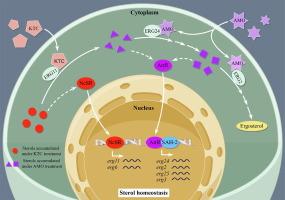
Unlike the canonical ergosterol-mediated feedback regulation in fungi like C. neoformans, our study demonstrated that the inhibitions of ergosterol biosynthesis at specific steps triggered distinct transcriptional responses of erg genes in fungi, including N. crassa and Aspergillus fumigatus. In N. crassa, the responses were orchestrated by different transcription factors. Specifically, the inhibition of ERG24 and ERG2 activated transcription factors SAH-2 and AtrR, resulting in the upregulation of erg24, erg2, erg25, and erg3. Furthermore, the inhibition of ERG11/CYP51 activated transcription factor NcSR, leading to the upregulation of erg11 and erg6. Phenotypic profiles of mutants of various N. crassa erg genes and the aforementioned transcription factors implied that the targeted regulation of ergosterol biosynthesis could fortify fungal viability within complex habitats.
Conclusion
Our study reveals a novel regulatory mechanism in fungi: targeted upregulation of specific sterol biosynthesis genes in response to given perturbations in ergosterol biosynthesis, exhibiting a higher degree of precision and sophistication in sterol biosynthesis regulation.
期刊介绍:
Journal of Advanced Research (J. Adv. Res.) is an applied/natural sciences, peer-reviewed journal that focuses on interdisciplinary research. The journal aims to contribute to applied research and knowledge worldwide through the publication of original and high-quality research articles in the fields of Medicine, Pharmaceutical Sciences, Dentistry, Physical Therapy, Veterinary Medicine, and Basic and Biological Sciences.
The following abstracting and indexing services cover the Journal of Advanced Research: PubMed/Medline, Essential Science Indicators, Web of Science, Scopus, PubMed Central, PubMed, Science Citation Index Expanded, Directory of Open Access Journals (DOAJ), and INSPEC.






 京公网安备 11010802042870号
京ICP备2023020795号-1
京公网安备 11010802042870号
京ICP备2023020795号-1

 分享
分享
 求助内容:
求助内容: 应助结果提醒方式:
 扫码关注我们
