Selvaraj Jeraldin Nisha, Ganapathi Uma, Ramamoorthy Sathishkumar, Vincent Samuel Gnana Prakash, Rimal Isaac, Thavasimuthu Citarasu
{"title":"红树林沉积物中Streptomyces sp CMSTAAHL-4生物活性次级代谢物的优化与表征","authors":"Selvaraj Jeraldin Nisha, Ganapathi Uma, Ramamoorthy Sathishkumar, Vincent Samuel Gnana Prakash, Rimal Isaac, Thavasimuthu Citarasu","doi":"10.1186/s12866-025-03763-5","DOIUrl":null,"url":null,"abstract":"<p><strong>Background: </strong>Ten morphologically different actinomycetes were isolated from mangrove sediments of Manakudy, Kanyakumari District, India. The potent strain was selected based on their primary screening against Gram positive Staphylococcus aureus, Enterococcus faecalis and Gram negative Klebsiella pneumoniae, Escherichia coli, Pseudomonas aeruginosa, Salmonella typhi bacterial pathogens. The selected strain was identified as Streptomyces sp CMSTAAHL-4 by 16S rRNA sequencing. The media optimization for secondary metabolites production was performed by One-Variable at a Time and Response Surface Methodology-Central Composite Design. Minimum inhibitory concentration and minimum bacterial concentration for the extracted secondary metabolites were determined. The antioxidant potential of the secondary metabolites showed that the concentration of the metabolites increases, with the percentage of inhibition. The anti-inflammatory activity of the secondary metabolites found that maximum activity was observed at 500 µg/ml of the metabolites. Alcohols, alkenes, alkynes, alkyl halides, carboxylic acids, aliphatic esters functional groups were identified by fourier transform infrared spectroscopy, gas chromatography and mass spectrometer analysis of the secondary metabolites revealed five bioactive compounds. The X-ray diffraction analysis revealed that the secondary metabolites are amorphous. The thermogravimetric analysis showed the thermal stability of secondary metabolites. Atomic force microscopy analysis revealed specific structural characteristics of the secondary metabolites, which may be associated with their potential biological activities.</p><p><strong>Conclusions: </strong>The results showed that the antibacterial, antioxidant, and anti-inflammatory chemicals present in the isolated secondary metabolites give them therapeutic properties.</p>","PeriodicalId":9233,"journal":{"name":"BMC Microbiology","volume":"25 1","pages":"57"},"PeriodicalIF":4.2000,"publicationDate":"2025-01-31","publicationTypes":"Journal Article","fieldsOfStudy":null,"isOpenAccess":false,"openAccessPdf":"https://www.ncbi.nlm.nih.gov/pmc/articles/PMC11786576/pdf/","citationCount":"0","resultStr":"{\"title\":\"Optimization and characterization of bioactive secondary metabolites from Streptomyces sp CMSTAAHL-4 isolated from mangrove sediment.\",\"authors\":\"Selvaraj Jeraldin Nisha, Ganapathi Uma, Ramamoorthy Sathishkumar, Vincent Samuel Gnana Prakash, Rimal Isaac, Thavasimuthu Citarasu\",\"doi\":\"10.1186/s12866-025-03763-5\",\"DOIUrl\":null,\"url\":null,\"abstract\":\"<p><strong>Background: </strong>Ten morphologically different actinomycetes were isolated from mangrove sediments of Manakudy, Kanyakumari District, India. The potent strain was selected based on their primary screening against Gram positive Staphylococcus aureus, Enterococcus faecalis and Gram negative Klebsiella pneumoniae, Escherichia coli, Pseudomonas aeruginosa, Salmonella typhi bacterial pathogens. The selected strain was identified as Streptomyces sp CMSTAAHL-4 by 16S rRNA sequencing. The media optimization for secondary metabolites production was performed by One-Variable at a Time and Response Surface Methodology-Central Composite Design. Minimum inhibitory concentration and minimum bacterial concentration for the extracted secondary metabolites were determined. The antioxidant potential of the secondary metabolites showed that the concentration of the metabolites increases, with the percentage of inhibition. The anti-inflammatory activity of the secondary metabolites found that maximum activity was observed at 500 µg/ml of the metabolites. Alcohols, alkenes, alkynes, alkyl halides, carboxylic acids, aliphatic esters functional groups were identified by fourier transform infrared spectroscopy, gas chromatography and mass spectrometer analysis of the secondary metabolites revealed five bioactive compounds. The X-ray diffraction analysis revealed that the secondary metabolites are amorphous. The thermogravimetric analysis showed the thermal stability of secondary metabolites. Atomic force microscopy analysis revealed specific structural characteristics of the secondary metabolites, which may be associated with their potential biological activities.</p><p><strong>Conclusions: </strong>The results showed that the antibacterial, antioxidant, and anti-inflammatory chemicals present in the isolated secondary metabolites give them therapeutic properties.</p>\",\"PeriodicalId\":9233,\"journal\":{\"name\":\"BMC Microbiology\",\"volume\":\"25 1\",\"pages\":\"57\"},\"PeriodicalIF\":4.2000,\"publicationDate\":\"2025-01-31\",\"publicationTypes\":\"Journal Article\",\"fieldsOfStudy\":null,\"isOpenAccess\":false,\"openAccessPdf\":\"https://www.ncbi.nlm.nih.gov/pmc/articles/PMC11786576/pdf/\",\"citationCount\":\"0\",\"resultStr\":null,\"platform\":\"Semanticscholar\",\"paperid\":null,\"PeriodicalName\":\"BMC Microbiology\",\"FirstCategoryId\":\"99\",\"ListUrlMain\":\"https://doi.org/10.1186/s12866-025-03763-5\",\"RegionNum\":2,\"RegionCategory\":\"生物学\",\"ArticlePicture\":[],\"TitleCN\":null,\"AbstractTextCN\":null,\"PMCID\":null,\"EPubDate\":\"\",\"PubModel\":\"\",\"JCR\":\"Q2\",\"JCRName\":\"MICROBIOLOGY\",\"Score\":null,\"Total\":0}","platform":"Semanticscholar","paperid":null,"PeriodicalName":"BMC Microbiology","FirstCategoryId":"99","ListUrlMain":"https://doi.org/10.1186/s12866-025-03763-5","RegionNum":2,"RegionCategory":"生物学","ArticlePicture":[],"TitleCN":null,"AbstractTextCN":null,"PMCID":null,"EPubDate":"","PubModel":"","JCR":"Q2","JCRName":"MICROBIOLOGY","Score":null,"Total":0}
Optimization and characterization of bioactive secondary metabolites from Streptomyces sp CMSTAAHL-4 isolated from mangrove sediment.
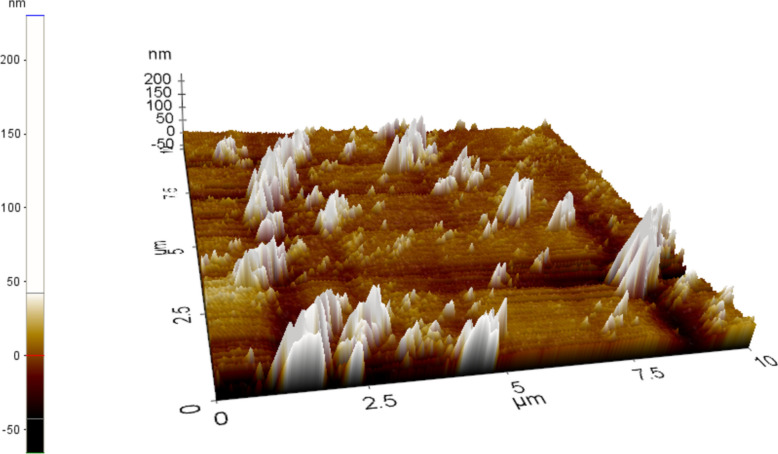
Background: Ten morphologically different actinomycetes were isolated from mangrove sediments of Manakudy, Kanyakumari District, India. The potent strain was selected based on their primary screening against Gram positive Staphylococcus aureus, Enterococcus faecalis and Gram negative Klebsiella pneumoniae, Escherichia coli, Pseudomonas aeruginosa, Salmonella typhi bacterial pathogens. The selected strain was identified as Streptomyces sp CMSTAAHL-4 by 16S rRNA sequencing. The media optimization for secondary metabolites production was performed by One-Variable at a Time and Response Surface Methodology-Central Composite Design. Minimum inhibitory concentration and minimum bacterial concentration for the extracted secondary metabolites were determined. The antioxidant potential of the secondary metabolites showed that the concentration of the metabolites increases, with the percentage of inhibition. The anti-inflammatory activity of the secondary metabolites found that maximum activity was observed at 500 µg/ml of the metabolites. Alcohols, alkenes, alkynes, alkyl halides, carboxylic acids, aliphatic esters functional groups were identified by fourier transform infrared spectroscopy, gas chromatography and mass spectrometer analysis of the secondary metabolites revealed five bioactive compounds. The X-ray diffraction analysis revealed that the secondary metabolites are amorphous. The thermogravimetric analysis showed the thermal stability of secondary metabolites. Atomic force microscopy analysis revealed specific structural characteristics of the secondary metabolites, which may be associated with their potential biological activities.
Conclusions: The results showed that the antibacterial, antioxidant, and anti-inflammatory chemicals present in the isolated secondary metabolites give them therapeutic properties.
期刊介绍:
BMC Microbiology is an open access, peer-reviewed journal that considers articles on analytical and functional studies of prokaryotic and eukaryotic microorganisms, viruses and small parasites, as well as host and therapeutic responses to them and their interaction with the environment.






 京公网安备 11010802042870号
京ICP备2023020795号-1
京公网安备 11010802042870号
京ICP备2023020795号-1

 分享
分享
 求助内容:
求助内容: 应助结果提醒方式:
 扫码关注我们
