{"title":"加勒比海造礁珊瑚Colpophyllia natans, Dendrogyra us和Siderastrea siderea的基因组。","authors":"Nicolas S Locatelli, Iliana B Baums","doi":"10.1093/g3journal/jkaf020","DOIUrl":null,"url":null,"abstract":"<p><p>Coral populations worldwide are declining rapidly due to elevated ocean temperatures and other human impacts. The Caribbean harbors a high number of threatened, endangered, and critically endangered coral species compared with reefs of the larger Indo-Pacific. The reef corals of the Caribbean are also long diverged from their Pacific counterparts and may have evolved different survival strategies. Most genomic resources have been developed for Pacific coral species which may impede our ability to study the changes in genetic composition of Caribbean reef communities in response to global change. To help fill the gap in genomic resources, we used PacBio HiFi sequencing to generate the first genome assemblies for 3 Caribbean reef-building corals, Colpophyllia natans, Dendrogyra cylindrus, and Siderastrea siderea. We also explore the genomic novelties that shape scleractinian genomes. Notably, we find abundant gene duplications of all classes (e.g. tandem and segmental), especially in S. siderea. This species has one of the largest genomes of any scleractinian coral (822 Mb) which seems to be driven by repetitive content and gene family expansion and diversification. As the genome size of S. siderea was double the size expected of stony corals, we also evaluated the possibility of an ancient whole-genome duplication using Ks tests and found no evidence of such an event in the species. By presenting these genome assemblies, we hope to develop a better understanding of coral evolution as a whole and to enable researchers to further investigate the population genetics and diversity of these 3 species.</p>","PeriodicalId":12468,"journal":{"name":"G3: Genes|Genomes|Genetics","volume":" ","pages":""},"PeriodicalIF":2.2000,"publicationDate":"2025-04-17","publicationTypes":"Journal Article","fieldsOfStudy":null,"isOpenAccess":false,"openAccessPdf":"https://www.ncbi.nlm.nih.gov/pmc/articles/PMC12005156/pdf/","citationCount":"0","resultStr":"{\"title\":\"Genomes of the Caribbean reef-building corals Colpophyllia natans, Dendrogyra cylindrus, and Siderastrea siderea.\",\"authors\":\"Nicolas S Locatelli, Iliana B Baums\",\"doi\":\"10.1093/g3journal/jkaf020\",\"DOIUrl\":null,\"url\":null,\"abstract\":\"<p><p>Coral populations worldwide are declining rapidly due to elevated ocean temperatures and other human impacts. The Caribbean harbors a high number of threatened, endangered, and critically endangered coral species compared with reefs of the larger Indo-Pacific. The reef corals of the Caribbean are also long diverged from their Pacific counterparts and may have evolved different survival strategies. Most genomic resources have been developed for Pacific coral species which may impede our ability to study the changes in genetic composition of Caribbean reef communities in response to global change. To help fill the gap in genomic resources, we used PacBio HiFi sequencing to generate the first genome assemblies for 3 Caribbean reef-building corals, Colpophyllia natans, Dendrogyra cylindrus, and Siderastrea siderea. We also explore the genomic novelties that shape scleractinian genomes. Notably, we find abundant gene duplications of all classes (e.g. tandem and segmental), especially in S. siderea. This species has one of the largest genomes of any scleractinian coral (822 Mb) which seems to be driven by repetitive content and gene family expansion and diversification. As the genome size of S. siderea was double the size expected of stony corals, we also evaluated the possibility of an ancient whole-genome duplication using Ks tests and found no evidence of such an event in the species. By presenting these genome assemblies, we hope to develop a better understanding of coral evolution as a whole and to enable researchers to further investigate the population genetics and diversity of these 3 species.</p>\",\"PeriodicalId\":12468,\"journal\":{\"name\":\"G3: Genes|Genomes|Genetics\",\"volume\":\" \",\"pages\":\"\"},\"PeriodicalIF\":2.2000,\"publicationDate\":\"2025-04-17\",\"publicationTypes\":\"Journal Article\",\"fieldsOfStudy\":null,\"isOpenAccess\":false,\"openAccessPdf\":\"https://www.ncbi.nlm.nih.gov/pmc/articles/PMC12005156/pdf/\",\"citationCount\":\"0\",\"resultStr\":null,\"platform\":\"Semanticscholar\",\"paperid\":null,\"PeriodicalName\":\"G3: Genes|Genomes|Genetics\",\"FirstCategoryId\":\"99\",\"ListUrlMain\":\"https://doi.org/10.1093/g3journal/jkaf020\",\"RegionNum\":3,\"RegionCategory\":\"生物学\",\"ArticlePicture\":[],\"TitleCN\":null,\"AbstractTextCN\":null,\"PMCID\":null,\"EPubDate\":\"\",\"PubModel\":\"\",\"JCR\":\"Q3\",\"JCRName\":\"GENETICS & HEREDITY\",\"Score\":null,\"Total\":0}","platform":"Semanticscholar","paperid":null,"PeriodicalName":"G3: Genes|Genomes|Genetics","FirstCategoryId":"99","ListUrlMain":"https://doi.org/10.1093/g3journal/jkaf020","RegionNum":3,"RegionCategory":"生物学","ArticlePicture":[],"TitleCN":null,"AbstractTextCN":null,"PMCID":null,"EPubDate":"","PubModel":"","JCR":"Q3","JCRName":"GENETICS & HEREDITY","Score":null,"Total":0}
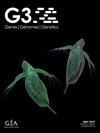
Genomes of the Caribbean reef-building corals Colpophyllia natans, Dendrogyra cylindrus, and Siderastrea siderea.
Coral populations worldwide are declining rapidly due to elevated ocean temperatures and other human impacts. The Caribbean harbors a high number of threatened, endangered, and critically endangered coral species compared with reefs of the larger Indo-Pacific. The reef corals of the Caribbean are also long diverged from their Pacific counterparts and may have evolved different survival strategies. Most genomic resources have been developed for Pacific coral species which may impede our ability to study the changes in genetic composition of Caribbean reef communities in response to global change. To help fill the gap in genomic resources, we used PacBio HiFi sequencing to generate the first genome assemblies for 3 Caribbean reef-building corals, Colpophyllia natans, Dendrogyra cylindrus, and Siderastrea siderea. We also explore the genomic novelties that shape scleractinian genomes. Notably, we find abundant gene duplications of all classes (e.g. tandem and segmental), especially in S. siderea. This species has one of the largest genomes of any scleractinian coral (822 Mb) which seems to be driven by repetitive content and gene family expansion and diversification. As the genome size of S. siderea was double the size expected of stony corals, we also evaluated the possibility of an ancient whole-genome duplication using Ks tests and found no evidence of such an event in the species. By presenting these genome assemblies, we hope to develop a better understanding of coral evolution as a whole and to enable researchers to further investigate the population genetics and diversity of these 3 species.
期刊介绍:
G3: Genes, Genomes, Genetics provides a forum for the publication of high‐quality foundational research, particularly research that generates useful genetic and genomic information such as genome maps, single gene studies, genome‐wide association and QTL studies, as well as genome reports, mutant screens, and advances in methods and technology. The Editorial Board of G3 believes that rapid dissemination of these data is the necessary foundation for analysis that leads to mechanistic insights.
G3, published by the Genetics Society of America, meets the critical and growing need of the genetics community for rapid review and publication of important results in all areas of genetics. G3 offers the opportunity to publish the puzzling finding or to present unpublished results that may not have been submitted for review and publication due to a perceived lack of a potential high-impact finding. G3 has earned the DOAJ Seal, which is a mark of certification for open access journals, awarded by DOAJ to journals that achieve a high level of openness, adhere to Best Practice and high publishing standards.






 京公网安备 11010802042870号
京ICP备2023020795号-1
京公网安备 11010802042870号
京ICP备2023020795号-1

 分享
分享
 求助内容:
求助内容: 应助结果提醒方式:
 扫码关注我们
