Marco Capó , Silvia Vitali , Georgios Athanasiou , Nicole Cusimano , Daniel García , Garth Cruickshank , Bipin Patel , Alzheimer's Disease Neuroimaging Initiative
{"title":"英国生物库MRI数据可以推动可推广的大脑时钟的发展:标准ML/DL方法和外部数据库性能分析的研究。","authors":"Marco Capó , Silvia Vitali , Georgios Athanasiou , Nicole Cusimano , Daniel García , Garth Cruickshank , Bipin Patel , Alzheimer's Disease Neuroimaging Initiative","doi":"10.1016/j.neuroimage.2025.121064","DOIUrl":null,"url":null,"abstract":"<div><div>In this study, we present a comprehensive pipeline to train and compare a broad spectrum of machine learning and deep learning brain clocks, integrating diverse preprocessing strategies and correction terms. Our analysis also includes established methodologies which have shown success in prior UK Biobank-related studies. For our analysis we used T1-weighted MRI scans and processed de novo all images via FastSurfer, transforming them into a conformed space for deep learning and extracting image-derived phenotypes for our machine learning approaches. We rigorously evaluated these approaches both as robust age predictors for healthy individuals and as potential biomarkers for various neurodegenerative conditions, leveraging data from the UK Biobank, ADNI, and NACC datasets. To this end we designed a statistical framework to assess age prediction performance, the robustness of the prediction across cohort variability (database, machine type and ethnicity) and its potential as a biomarker for neurodegenerative conditions. Results demonstrate that highly accurate brain age models, typically utilising penalised linear machine learning models adjusted with Zhang's methodology, with mean absolute errors under 1 year in external validation, can be achieved while maintaining consistent prediction performance across different age brackets and subgroups (e.g., ethnicity and MRI machine/manufacturer). Additionally, these models show strong potential as biomarkers for neurodegenerative conditions, such as dementia, where brain age prediction achieved an AUROC of up to 0.90 in distinguishing healthy individuals from those with dementia.</div></div>","PeriodicalId":19299,"journal":{"name":"NeuroImage","volume":"308 ","pages":"Article 121064"},"PeriodicalIF":4.5000,"publicationDate":"2025-03-01","publicationTypes":"Journal Article","fieldsOfStudy":null,"isOpenAccess":false,"openAccessPdf":"","citationCount":"0","resultStr":"{\"title\":\"UK Biobank MRI data can power the development of generalizable brain clocks: A study of standard ML/DL methodologies and performance analysis on external databases\",\"authors\":\"Marco Capó , Silvia Vitali , Georgios Athanasiou , Nicole Cusimano , Daniel García , Garth Cruickshank , Bipin Patel , Alzheimer's Disease Neuroimaging Initiative\",\"doi\":\"10.1016/j.neuroimage.2025.121064\",\"DOIUrl\":null,\"url\":null,\"abstract\":\"<div><div>In this study, we present a comprehensive pipeline to train and compare a broad spectrum of machine learning and deep learning brain clocks, integrating diverse preprocessing strategies and correction terms. Our analysis also includes established methodologies which have shown success in prior UK Biobank-related studies. For our analysis we used T1-weighted MRI scans and processed de novo all images via FastSurfer, transforming them into a conformed space for deep learning and extracting image-derived phenotypes for our machine learning approaches. We rigorously evaluated these approaches both as robust age predictors for healthy individuals and as potential biomarkers for various neurodegenerative conditions, leveraging data from the UK Biobank, ADNI, and NACC datasets. To this end we designed a statistical framework to assess age prediction performance, the robustness of the prediction across cohort variability (database, machine type and ethnicity) and its potential as a biomarker for neurodegenerative conditions. Results demonstrate that highly accurate brain age models, typically utilising penalised linear machine learning models adjusted with Zhang's methodology, with mean absolute errors under 1 year in external validation, can be achieved while maintaining consistent prediction performance across different age brackets and subgroups (e.g., ethnicity and MRI machine/manufacturer). Additionally, these models show strong potential as biomarkers for neurodegenerative conditions, such as dementia, where brain age prediction achieved an AUROC of up to 0.90 in distinguishing healthy individuals from those with dementia.</div></div>\",\"PeriodicalId\":19299,\"journal\":{\"name\":\"NeuroImage\",\"volume\":\"308 \",\"pages\":\"Article 121064\"},\"PeriodicalIF\":4.5000,\"publicationDate\":\"2025-03-01\",\"publicationTypes\":\"Journal Article\",\"fieldsOfStudy\":null,\"isOpenAccess\":false,\"openAccessPdf\":\"\",\"citationCount\":\"0\",\"resultStr\":null,\"platform\":\"Semanticscholar\",\"paperid\":null,\"PeriodicalName\":\"NeuroImage\",\"FirstCategoryId\":\"3\",\"ListUrlMain\":\"https://www.sciencedirect.com/science/article/pii/S1053811925000667\",\"RegionNum\":2,\"RegionCategory\":\"医学\",\"ArticlePicture\":[],\"TitleCN\":null,\"AbstractTextCN\":null,\"PMCID\":null,\"EPubDate\":\"2025/1/30 0:00:00\",\"PubModel\":\"Epub\",\"JCR\":\"Q1\",\"JCRName\":\"NEUROIMAGING\",\"Score\":null,\"Total\":0}","platform":"Semanticscholar","paperid":null,"PeriodicalName":"NeuroImage","FirstCategoryId":"3","ListUrlMain":"https://www.sciencedirect.com/science/article/pii/S1053811925000667","RegionNum":2,"RegionCategory":"医学","ArticlePicture":[],"TitleCN":null,"AbstractTextCN":null,"PMCID":null,"EPubDate":"2025/1/30 0:00:00","PubModel":"Epub","JCR":"Q1","JCRName":"NEUROIMAGING","Score":null,"Total":0}
UK Biobank MRI data can power the development of generalizable brain clocks: A study of standard ML/DL methodologies and performance analysis on external databases
In this study, we present a comprehensive pipeline to train and compare a broad spectrum of machine learning and deep learning brain clocks, integrating diverse preprocessing strategies and correction terms. Our analysis also includes established methodologies which have shown success in prior UK Biobank-related studies. For our analysis we used T1-weighted MRI scans and processed de novo all images via FastSurfer, transforming them into a conformed space for deep learning and extracting image-derived phenotypes for our machine learning approaches. We rigorously evaluated these approaches both as robust age predictors for healthy individuals and as potential biomarkers for various neurodegenerative conditions, leveraging data from the UK Biobank, ADNI, and NACC datasets. To this end we designed a statistical framework to assess age prediction performance, the robustness of the prediction across cohort variability (database, machine type and ethnicity) and its potential as a biomarker for neurodegenerative conditions. Results demonstrate that highly accurate brain age models, typically utilising penalised linear machine learning models adjusted with Zhang's methodology, with mean absolute errors under 1 year in external validation, can be achieved while maintaining consistent prediction performance across different age brackets and subgroups (e.g., ethnicity and MRI machine/manufacturer). Additionally, these models show strong potential as biomarkers for neurodegenerative conditions, such as dementia, where brain age prediction achieved an AUROC of up to 0.90 in distinguishing healthy individuals from those with dementia.
期刊介绍:
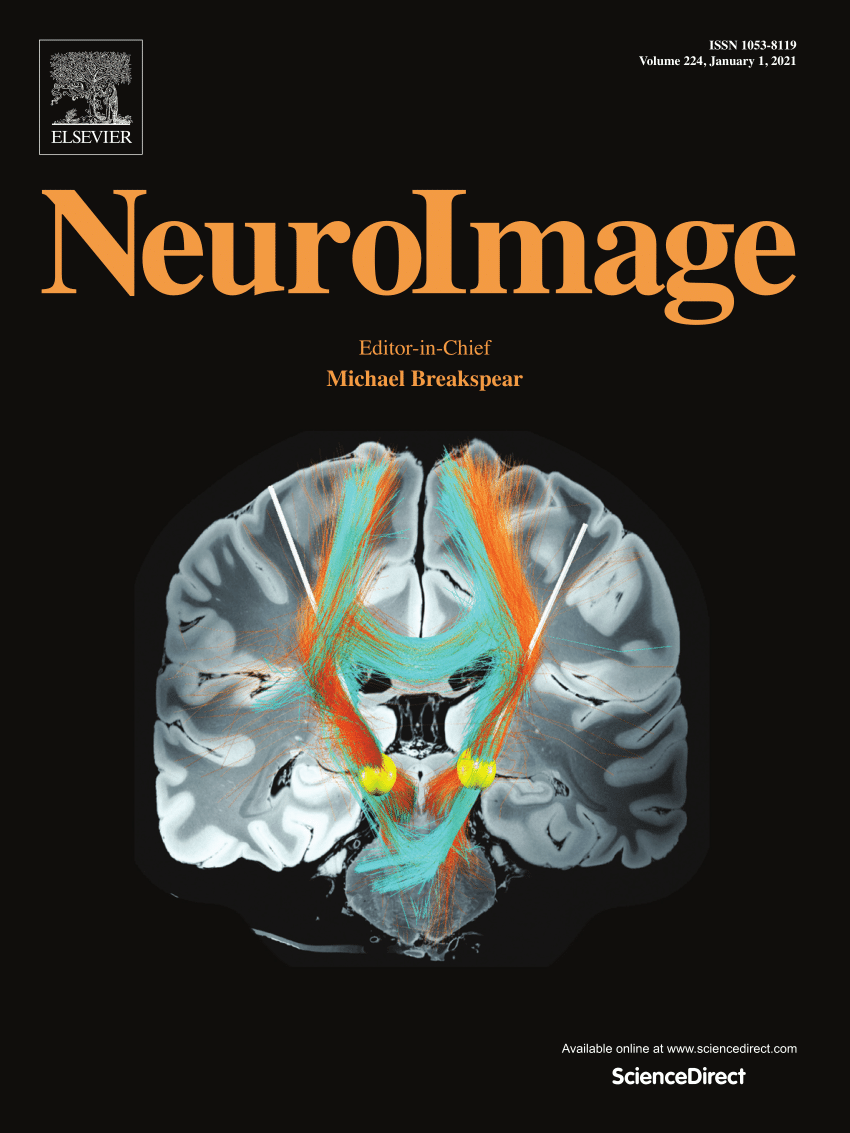
NeuroImage, a Journal of Brain Function provides a vehicle for communicating important advances in acquiring, analyzing, and modelling neuroimaging data and in applying these techniques to the study of structure-function and brain-behavior relationships. Though the emphasis is on the macroscopic level of human brain organization, meso-and microscopic neuroimaging across all species will be considered if informative for understanding the aforementioned relationships.




 京公网安备 11010802042870号
京ICP备2023020795号-1
京公网安备 11010802042870号
京ICP备2023020795号-1

 分享
分享
 求助内容:
求助内容: 应助结果提醒方式:
 扫码关注我们
