{"title":"一种基于sysml的语言,用于评估网络物理系统的仿真和物理实施例的完整性","authors":"Wojciech Dudek , Narcis Miguel , Tomasz Winiarski","doi":"10.1016/j.robot.2024.104884","DOIUrl":null,"url":null,"abstract":"<div><div>Evaluating early design concepts is crucial as it impacts quality and cost. This process is often hindered by vague and uncertain design information. This article introduces the SysML-based Simulated–Physical Systems Modelling Language (SPSysML). It is a Domain-Specification Language for evaluating component reusability in Cyber–Physical Systems incorporating Digital Twins and other simulated parts. The proposed factors assess the design quantitatively. SPSysML uses a requirement-based system structuring method to couple simulated and physical parts with requirements. SPSysML-based systems incorporate DTs that perceive exogenous actions in the simulated world.</div><div>SPSysML validation is survey- and application-based. First, we develop a robotic system for an assisted living project. We propose an SPSysML application procedure called SPSysAP that manages the considered system development by evaluating the system designs with the proposed quantitative factors. As a result of the SPSysML application, we observed an integrity improvement between the simulated and physical parts of the system. Thus, more system components are shared between the simulated and physical setups. The system was deployed on the physical robot and two simulators based on ROS and ROS2. Additionally, we share a questionnaire for SPSysML assessment. The feedback that we already received is published in this article.</div></div>","PeriodicalId":49592,"journal":{"name":"Robotics and Autonomous Systems","volume":"185 ","pages":"Article 104884"},"PeriodicalIF":5.2000,"publicationDate":"2025-03-01","publicationTypes":"Journal Article","fieldsOfStudy":null,"isOpenAccess":false,"openAccessPdf":"","citationCount":"0","resultStr":"{\"title\":\"A SysML-based language for evaluating the integrity of simulation and physical embodiments of Cyber–Physical systems\",\"authors\":\"Wojciech Dudek , Narcis Miguel , Tomasz Winiarski\",\"doi\":\"10.1016/j.robot.2024.104884\",\"DOIUrl\":null,\"url\":null,\"abstract\":\"<div><div>Evaluating early design concepts is crucial as it impacts quality and cost. This process is often hindered by vague and uncertain design information. This article introduces the SysML-based Simulated–Physical Systems Modelling Language (SPSysML). It is a Domain-Specification Language for evaluating component reusability in Cyber–Physical Systems incorporating Digital Twins and other simulated parts. The proposed factors assess the design quantitatively. SPSysML uses a requirement-based system structuring method to couple simulated and physical parts with requirements. SPSysML-based systems incorporate DTs that perceive exogenous actions in the simulated world.</div><div>SPSysML validation is survey- and application-based. First, we develop a robotic system for an assisted living project. We propose an SPSysML application procedure called SPSysAP that manages the considered system development by evaluating the system designs with the proposed quantitative factors. As a result of the SPSysML application, we observed an integrity improvement between the simulated and physical parts of the system. Thus, more system components are shared between the simulated and physical setups. The system was deployed on the physical robot and two simulators based on ROS and ROS2. Additionally, we share a questionnaire for SPSysML assessment. The feedback that we already received is published in this article.</div></div>\",\"PeriodicalId\":49592,\"journal\":{\"name\":\"Robotics and Autonomous Systems\",\"volume\":\"185 \",\"pages\":\"Article 104884\"},\"PeriodicalIF\":5.2000,\"publicationDate\":\"2025-03-01\",\"publicationTypes\":\"Journal Article\",\"fieldsOfStudy\":null,\"isOpenAccess\":false,\"openAccessPdf\":\"\",\"citationCount\":\"0\",\"resultStr\":null,\"platform\":\"Semanticscholar\",\"paperid\":null,\"PeriodicalName\":\"Robotics and Autonomous Systems\",\"FirstCategoryId\":\"94\",\"ListUrlMain\":\"https://www.sciencedirect.com/science/article/pii/S0921889024002689\",\"RegionNum\":2,\"RegionCategory\":\"计算机科学\",\"ArticlePicture\":[],\"TitleCN\":null,\"AbstractTextCN\":null,\"PMCID\":null,\"EPubDate\":\"2024/12/10 0:00:00\",\"PubModel\":\"Epub\",\"JCR\":\"Q1\",\"JCRName\":\"AUTOMATION & CONTROL SYSTEMS\",\"Score\":null,\"Total\":0}","platform":"Semanticscholar","paperid":null,"PeriodicalName":"Robotics and Autonomous Systems","FirstCategoryId":"94","ListUrlMain":"https://www.sciencedirect.com/science/article/pii/S0921889024002689","RegionNum":2,"RegionCategory":"计算机科学","ArticlePicture":[],"TitleCN":null,"AbstractTextCN":null,"PMCID":null,"EPubDate":"2024/12/10 0:00:00","PubModel":"Epub","JCR":"Q1","JCRName":"AUTOMATION & CONTROL SYSTEMS","Score":null,"Total":0}
A SysML-based language for evaluating the integrity of simulation and physical embodiments of Cyber–Physical systems
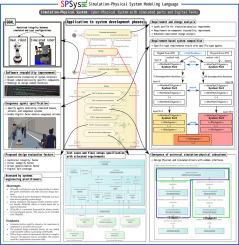
Evaluating early design concepts is crucial as it impacts quality and cost. This process is often hindered by vague and uncertain design information. This article introduces the SysML-based Simulated–Physical Systems Modelling Language (SPSysML). It is a Domain-Specification Language for evaluating component reusability in Cyber–Physical Systems incorporating Digital Twins and other simulated parts. The proposed factors assess the design quantitatively. SPSysML uses a requirement-based system structuring method to couple simulated and physical parts with requirements. SPSysML-based systems incorporate DTs that perceive exogenous actions in the simulated world.
SPSysML validation is survey- and application-based. First, we develop a robotic system for an assisted living project. We propose an SPSysML application procedure called SPSysAP that manages the considered system development by evaluating the system designs with the proposed quantitative factors. As a result of the SPSysML application, we observed an integrity improvement between the simulated and physical parts of the system. Thus, more system components are shared between the simulated and physical setups. The system was deployed on the physical robot and two simulators based on ROS and ROS2. Additionally, we share a questionnaire for SPSysML assessment. The feedback that we already received is published in this article.
期刊介绍:
Robotics and Autonomous Systems will carry articles describing fundamental developments in the field of robotics, with special emphasis on autonomous systems. An important goal of this journal is to extend the state of the art in both symbolic and sensory based robot control and learning in the context of autonomous systems.
Robotics and Autonomous Systems will carry articles on the theoretical, computational and experimental aspects of autonomous systems, or modules of such systems.




 京公网安备 11010802042870号
京ICP备2023020795号-1
京公网安备 11010802042870号
京ICP备2023020795号-1

 分享
分享
 求助内容:
求助内容: 应助结果提醒方式:
 扫码关注我们
