Hector Daniel Almeida Gonzalez, Janser Hernandez Ojeda, Angel Luis Corcho-Valdés, Ivan Padron-Ramirez, Marina Perez Cruz, Claudia Iriarte-Mesa, Luis Felipe Desdin-Garcia, Pierangelo Gobbo, Manuel Antuch
{"title":"碳纳米洋葱的前景:制备、表征及其在电化学传感中的应用","authors":"Hector Daniel Almeida Gonzalez, Janser Hernandez Ojeda, Angel Luis Corcho-Valdés, Ivan Padron-Ramirez, Marina Perez Cruz, Claudia Iriarte-Mesa, Luis Felipe Desdin-Garcia, Pierangelo Gobbo, Manuel Antuch","doi":"10.1002/anse.202400035","DOIUrl":null,"url":null,"abstract":"<p>Carbon nano-onions (CNOs) promise to improve the range of applications of carbon materials for electroanalytical applications. In this review, we explore the synthesis, characterization, and electrochemical applications of CNOs. CNO-based sensors present impressive features, including low detection limits in the femtogram per milliliter range, a broad linear detection range spanning up to 7 orders of magnitude, exceptional selectivity, reproducibility, and stability. Synthetic methods and characterization techniques for CNOs were thoroughly examined, shedding light on their pivotal role in biosensing technologies. Comparative analyses with other carbon materials underscore CNOs′ competitive performance, either surpassing or matching many counterparts. Despite their relatively recent integration in biosensing applications, CNOs exhibit comparable or superior results concerning other carbon-based materials. Indeed, the incorporation of CNOs into hybrid nanocomposites has shown promising outcomes, indicating a synergistic potential for future advancements in biosensing technologies. Our review provides a broad approach to the application of CNOs to the field, with emphasis on breakthroughs of the last 5 years.</p>","PeriodicalId":72192,"journal":{"name":"Analysis & sensing","volume":"5 1","pages":""},"PeriodicalIF":3.3000,"publicationDate":"2024-08-14","publicationTypes":"Journal Article","fieldsOfStudy":null,"isOpenAccess":false,"openAccessPdf":"https://onlinelibrary.wiley.com/doi/epdf/10.1002/anse.202400035","citationCount":"0","resultStr":"{\"title\":\"The Promise of Carbon Nano-Onions: Preparation, Characterization and Their Application in Electrochemical Sensing\",\"authors\":\"Hector Daniel Almeida Gonzalez, Janser Hernandez Ojeda, Angel Luis Corcho-Valdés, Ivan Padron-Ramirez, Marina Perez Cruz, Claudia Iriarte-Mesa, Luis Felipe Desdin-Garcia, Pierangelo Gobbo, Manuel Antuch\",\"doi\":\"10.1002/anse.202400035\",\"DOIUrl\":null,\"url\":null,\"abstract\":\"<p>Carbon nano-onions (CNOs) promise to improve the range of applications of carbon materials for electroanalytical applications. In this review, we explore the synthesis, characterization, and electrochemical applications of CNOs. CNO-based sensors present impressive features, including low detection limits in the femtogram per milliliter range, a broad linear detection range spanning up to 7 orders of magnitude, exceptional selectivity, reproducibility, and stability. Synthetic methods and characterization techniques for CNOs were thoroughly examined, shedding light on their pivotal role in biosensing technologies. Comparative analyses with other carbon materials underscore CNOs′ competitive performance, either surpassing or matching many counterparts. Despite their relatively recent integration in biosensing applications, CNOs exhibit comparable or superior results concerning other carbon-based materials. Indeed, the incorporation of CNOs into hybrid nanocomposites has shown promising outcomes, indicating a synergistic potential for future advancements in biosensing technologies. Our review provides a broad approach to the application of CNOs to the field, with emphasis on breakthroughs of the last 5 years.</p>\",\"PeriodicalId\":72192,\"journal\":{\"name\":\"Analysis & sensing\",\"volume\":\"5 1\",\"pages\":\"\"},\"PeriodicalIF\":3.3000,\"publicationDate\":\"2024-08-14\",\"publicationTypes\":\"Journal Article\",\"fieldsOfStudy\":null,\"isOpenAccess\":false,\"openAccessPdf\":\"https://onlinelibrary.wiley.com/doi/epdf/10.1002/anse.202400035\",\"citationCount\":\"0\",\"resultStr\":null,\"platform\":\"Semanticscholar\",\"paperid\":null,\"PeriodicalName\":\"Analysis & sensing\",\"FirstCategoryId\":\"1085\",\"ListUrlMain\":\"https://chemistry-europe.onlinelibrary.wiley.com/doi/10.1002/anse.202400035\",\"RegionNum\":0,\"RegionCategory\":null,\"ArticlePicture\":[],\"TitleCN\":null,\"AbstractTextCN\":null,\"PMCID\":null,\"EPubDate\":\"\",\"PubModel\":\"\",\"JCR\":\"Q2\",\"JCRName\":\"CHEMISTRY, ANALYTICAL\",\"Score\":null,\"Total\":0}","platform":"Semanticscholar","paperid":null,"PeriodicalName":"Analysis & sensing","FirstCategoryId":"1085","ListUrlMain":"https://chemistry-europe.onlinelibrary.wiley.com/doi/10.1002/anse.202400035","RegionNum":0,"RegionCategory":null,"ArticlePicture":[],"TitleCN":null,"AbstractTextCN":null,"PMCID":null,"EPubDate":"","PubModel":"","JCR":"Q2","JCRName":"CHEMISTRY, ANALYTICAL","Score":null,"Total":0}
The Promise of Carbon Nano-Onions: Preparation, Characterization and Their Application in Electrochemical Sensing
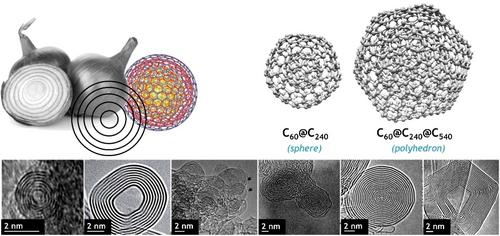
Carbon nano-onions (CNOs) promise to improve the range of applications of carbon materials for electroanalytical applications. In this review, we explore the synthesis, characterization, and electrochemical applications of CNOs. CNO-based sensors present impressive features, including low detection limits in the femtogram per milliliter range, a broad linear detection range spanning up to 7 orders of magnitude, exceptional selectivity, reproducibility, and stability. Synthetic methods and characterization techniques for CNOs were thoroughly examined, shedding light on their pivotal role in biosensing technologies. Comparative analyses with other carbon materials underscore CNOs′ competitive performance, either surpassing or matching many counterparts. Despite their relatively recent integration in biosensing applications, CNOs exhibit comparable or superior results concerning other carbon-based materials. Indeed, the incorporation of CNOs into hybrid nanocomposites has shown promising outcomes, indicating a synergistic potential for future advancements in biosensing technologies. Our review provides a broad approach to the application of CNOs to the field, with emphasis on breakthroughs of the last 5 years.






 京公网安备 11010802042870号
京ICP备2023020795号-1
京公网安备 11010802042870号
京ICP备2023020795号-1

 分享
分享

 求助内容:
求助内容: 应助结果提醒方式:
 扫码关注我们
