Van N. B. Nguyen, Gabrielle Brand, Lisa Collison, Ken Griffin, Samantha Moses, Julia Morphet
{"title":"澳大利亚初级卫生保健机构注册护士的执业范围:一项回顾性纵向研究","authors":"Van N. B. Nguyen, Gabrielle Brand, Lisa Collison, Ken Griffin, Samantha Moses, Julia Morphet","doi":"10.1155/jonm/8882760","DOIUrl":null,"url":null,"abstract":"<div>\n <p><b>Background:</b> Registered nurses (RNs) play an important role in providing primary healthcare (PHC) services. Longitudinal evidence on how the RN scope of practice in these settings has evolved over the years is currently missing and is critical in understanding how Australian government health policies have shaped the reality of nursing practice.</p>\n <p><b>Aim:</b> To explore the scope of practice of RNs in Australian PHC workplace in both metropolitan and rural areas and among those with and without postgraduate qualifications during 2015–2019.</p>\n <p><b>Methods:</b> Longitudinal survey data were retrospectively retrieved, collated and analysed using variate and bivariate analyses in SPSS Version 27.0. Composite items were used to combine survey items into seven key areas of nursing practice.</p>\n <p><b>Results:</b> Majority of the 3882 participants were female (<i>n</i> = 3782, <i>n</i> = 97.4%), worked in general practice (<i>n</i> = 2916, 75.1%) and in metropolitan areas (<i>n</i> = 2145, 55.3%) and had completed a short course (<i>n</i> = 2470, 63.6%). A total of 904 participants (23.3%) completed at least one postgraduate degree. There was no significant and substantial difference in the frequency, and preference for frequency, of seven PHC practice areas by participants in different workplace localities, with or without a formal postgraduate degree as well as throughout the 5-year survey period.</p>\n <p><b>Conclusion:</b> The findings on the scope of practice by the RN participants might be explained by the interplay of interprofessional, organisational and institutional factors (more than individual factors).</p>\n <p><b>Implications for Nursing Management:</b> Multilayer strategies targeting interprofessional, organisational, institutional and individual factors should be in place to enable RNs to work to their full capacity and advanced level of education. RNs also need to be included in major policy- and decision-making that affects them to ensure their job satisfaction, retention in practice and contribution to patient health outcomes in PHC are sustained.</p>\n </div>","PeriodicalId":49297,"journal":{"name":"Journal of Nursing Management","volume":"2025 1","pages":""},"PeriodicalIF":4.4000,"publicationDate":"2025-01-21","publicationTypes":"Journal Article","fieldsOfStudy":null,"isOpenAccess":false,"openAccessPdf":"https://onlinelibrary.wiley.com/doi/epdf/10.1155/jonm/8882760","citationCount":"0","resultStr":"{\"title\":\"Registered Nurse Scope of Practice in Australian Primary Healthcare Settings: A Retrospective Longitudinal Study\",\"authors\":\"Van N. B. Nguyen, Gabrielle Brand, Lisa Collison, Ken Griffin, Samantha Moses, Julia Morphet\",\"doi\":\"10.1155/jonm/8882760\",\"DOIUrl\":null,\"url\":null,\"abstract\":\"<div>\\n <p><b>Background:</b> Registered nurses (RNs) play an important role in providing primary healthcare (PHC) services. Longitudinal evidence on how the RN scope of practice in these settings has evolved over the years is currently missing and is critical in understanding how Australian government health policies have shaped the reality of nursing practice.</p>\\n <p><b>Aim:</b> To explore the scope of practice of RNs in Australian PHC workplace in both metropolitan and rural areas and among those with and without postgraduate qualifications during 2015–2019.</p>\\n <p><b>Methods:</b> Longitudinal survey data were retrospectively retrieved, collated and analysed using variate and bivariate analyses in SPSS Version 27.0. Composite items were used to combine survey items into seven key areas of nursing practice.</p>\\n <p><b>Results:</b> Majority of the 3882 participants were female (<i>n</i> = 3782, <i>n</i> = 97.4%), worked in general practice (<i>n</i> = 2916, 75.1%) and in metropolitan areas (<i>n</i> = 2145, 55.3%) and had completed a short course (<i>n</i> = 2470, 63.6%). A total of 904 participants (23.3%) completed at least one postgraduate degree. There was no significant and substantial difference in the frequency, and preference for frequency, of seven PHC practice areas by participants in different workplace localities, with or without a formal postgraduate degree as well as throughout the 5-year survey period.</p>\\n <p><b>Conclusion:</b> The findings on the scope of practice by the RN participants might be explained by the interplay of interprofessional, organisational and institutional factors (more than individual factors).</p>\\n <p><b>Implications for Nursing Management:</b> Multilayer strategies targeting interprofessional, organisational, institutional and individual factors should be in place to enable RNs to work to their full capacity and advanced level of education. RNs also need to be included in major policy- and decision-making that affects them to ensure their job satisfaction, retention in practice and contribution to patient health outcomes in PHC are sustained.</p>\\n </div>\",\"PeriodicalId\":49297,\"journal\":{\"name\":\"Journal of Nursing Management\",\"volume\":\"2025 1\",\"pages\":\"\"},\"PeriodicalIF\":4.4000,\"publicationDate\":\"2025-01-21\",\"publicationTypes\":\"Journal Article\",\"fieldsOfStudy\":null,\"isOpenAccess\":false,\"openAccessPdf\":\"https://onlinelibrary.wiley.com/doi/epdf/10.1155/jonm/8882760\",\"citationCount\":\"0\",\"resultStr\":null,\"platform\":\"Semanticscholar\",\"paperid\":null,\"PeriodicalName\":\"Journal of Nursing Management\",\"FirstCategoryId\":\"3\",\"ListUrlMain\":\"https://onlinelibrary.wiley.com/doi/10.1155/jonm/8882760\",\"RegionNum\":2,\"RegionCategory\":\"医学\",\"ArticlePicture\":[],\"TitleCN\":null,\"AbstractTextCN\":null,\"PMCID\":null,\"EPubDate\":\"\",\"PubModel\":\"\",\"JCR\":\"Q2\",\"JCRName\":\"MANAGEMENT\",\"Score\":null,\"Total\":0}","platform":"Semanticscholar","paperid":null,"PeriodicalName":"Journal of Nursing Management","FirstCategoryId":"3","ListUrlMain":"https://onlinelibrary.wiley.com/doi/10.1155/jonm/8882760","RegionNum":2,"RegionCategory":"医学","ArticlePicture":[],"TitleCN":null,"AbstractTextCN":null,"PMCID":null,"EPubDate":"","PubModel":"","JCR":"Q2","JCRName":"MANAGEMENT","Score":null,"Total":0}
Registered Nurse Scope of Practice in Australian Primary Healthcare Settings: A Retrospective Longitudinal Study
Background: Registered nurses (RNs) play an important role in providing primary healthcare (PHC) services. Longitudinal evidence on how the RN scope of practice in these settings has evolved over the years is currently missing and is critical in understanding how Australian government health policies have shaped the reality of nursing practice.
Aim: To explore the scope of practice of RNs in Australian PHC workplace in both metropolitan and rural areas and among those with and without postgraduate qualifications during 2015–2019.
Methods: Longitudinal survey data were retrospectively retrieved, collated and analysed using variate and bivariate analyses in SPSS Version 27.0. Composite items were used to combine survey items into seven key areas of nursing practice.
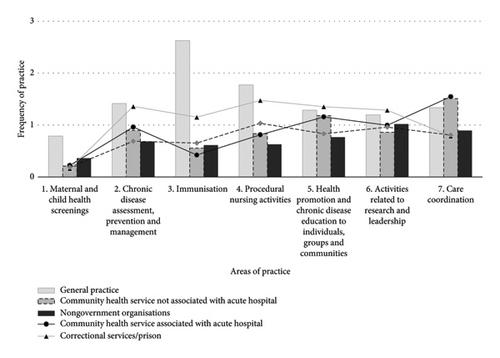
Results: Majority of the 3882 participants were female (n = 3782, n = 97.4%), worked in general practice (n = 2916, 75.1%) and in metropolitan areas (n = 2145, 55.3%) and had completed a short course (n = 2470, 63.6%). A total of 904 participants (23.3%) completed at least one postgraduate degree. There was no significant and substantial difference in the frequency, and preference for frequency, of seven PHC practice areas by participants in different workplace localities, with or without a formal postgraduate degree as well as throughout the 5-year survey period.
Conclusion: The findings on the scope of practice by the RN participants might be explained by the interplay of interprofessional, organisational and institutional factors (more than individual factors).
Implications for Nursing Management: Multilayer strategies targeting interprofessional, organisational, institutional and individual factors should be in place to enable RNs to work to their full capacity and advanced level of education. RNs also need to be included in major policy- and decision-making that affects them to ensure their job satisfaction, retention in practice and contribution to patient health outcomes in PHC are sustained.
期刊介绍:
The Journal of Nursing Management is an international forum which informs and advances the discipline of nursing management and leadership. The Journal encourages scholarly debate and critical analysis resulting in a rich source of evidence which underpins and illuminates the practice of management, innovation and leadership in nursing and health care. It publishes current issues and developments in practice in the form of research papers, in-depth commentaries and analyses.
The complex and rapidly changing nature of global health care is constantly generating new challenges and questions. The Journal of Nursing Management welcomes papers from researchers, academics, practitioners, managers, and policy makers from a range of countries and backgrounds which examine these issues and contribute to the body of knowledge in international nursing management and leadership worldwide.
The Journal of Nursing Management aims to:
-Inform practitioners and researchers in nursing management and leadership
-Explore and debate current issues in nursing management and leadership
-Assess the evidence for current practice
-Develop best practice in nursing management and leadership
-Examine the impact of policy developments
-Address issues in governance, quality and safety





 京公网安备 11010802042870号
京ICP备2023020795号-1
京公网安备 11010802042870号
京ICP备2023020795号-1

 分享
分享
 求助内容:
求助内容: 应助结果提醒方式:
 扫码关注我们
