Felipe Alves Batista, Maria Luiza Raulino Maia, Antônio Luiz Martins Maia Filho, Lívia Alves Filgueiras, José Figueredo-Silva, Alyne Rodrigues de Araujo-Nobre, Anderson Nogueira Mendes
{"title":"黄兜草水提物合成含氧化铜纳米藻酸钠膜的组成及体内愈合潜力评价","authors":"Felipe Alves Batista, Maria Luiza Raulino Maia, Antônio Luiz Martins Maia Filho, Lívia Alves Filgueiras, José Figueredo-Silva, Alyne Rodrigues de Araujo-Nobre, Anderson Nogueira Mendes","doi":"10.1002/pol.20240500","DOIUrl":null,"url":null,"abstract":"<div>\n \n <p>Sodium alginate is used in wound care because of its hydrogel-forming properties and ability to protect the wound. Copper nanoparticles have properties that inhibit the growth of microorganisms and mediate the production of essential biomolecules for the healing process, making them an excellent choice for constructing nanocomposites for wound treatment. This work aimed to synthesize copper nanoparticles using an aqueous extract of <i>Turnera subulata</i> Sm. and incorporate them into sodium alginate to obtain films with healing potential. The proposed system was characterized by ultraviolet–visible spectroscopy (UV–vis), Fourier-transform infrared (FTIR), dynamic light scattering (DLS), atomic force microscopy (AFM), x-ray crystallography, and biocompatibility verified by hemolysis test. The UV–vis analysis showed that CuO NPs absorb at 280 and 404 nm. The FTIR spectra revealed stretching and folding modes of the functional groups present in the aqueous extract of <i>T. subulata</i> responsible for the reduction/stabilization of the copper ion, as well as signals at 780 and 618 cm<sup>−1</sup> originating from the Cu<span></span>O bond. Size estimation using DLS revealed 564.5 and 394.2 nm. AFM data showed that adding copper oxide nanoparticles (CuO NPs) changed alginate roughness, and surface imaging revealed a material with a uniform appearance. The hemolysis test showed hemocompatibility of CuO NPs at all tested concentrations. Histology showed that CuO<span></span>NP-loaded alginate films accelerated the healing process.</p>\n </div>","PeriodicalId":16888,"journal":{"name":"Journal of Polymer Science","volume":"63 1","pages":"178-191"},"PeriodicalIF":3.9000,"publicationDate":"2024-10-23","publicationTypes":"Journal Article","fieldsOfStudy":null,"isOpenAccess":false,"openAccessPdf":"","citationCount":"0","resultStr":"{\"title\":\"Composition of Sodium Alginate Films Containing Copper Oxide Nanoparticles Synthesized Using Aqueous Extract of Turnera subulata Sm and Evaluation of Their Healing Potential In Vivo\",\"authors\":\"Felipe Alves Batista, Maria Luiza Raulino Maia, Antônio Luiz Martins Maia Filho, Lívia Alves Filgueiras, José Figueredo-Silva, Alyne Rodrigues de Araujo-Nobre, Anderson Nogueira Mendes\",\"doi\":\"10.1002/pol.20240500\",\"DOIUrl\":null,\"url\":null,\"abstract\":\"<div>\\n \\n <p>Sodium alginate is used in wound care because of its hydrogel-forming properties and ability to protect the wound. Copper nanoparticles have properties that inhibit the growth of microorganisms and mediate the production of essential biomolecules for the healing process, making them an excellent choice for constructing nanocomposites for wound treatment. This work aimed to synthesize copper nanoparticles using an aqueous extract of <i>Turnera subulata</i> Sm. and incorporate them into sodium alginate to obtain films with healing potential. The proposed system was characterized by ultraviolet–visible spectroscopy (UV–vis), Fourier-transform infrared (FTIR), dynamic light scattering (DLS), atomic force microscopy (AFM), x-ray crystallography, and biocompatibility verified by hemolysis test. The UV–vis analysis showed that CuO NPs absorb at 280 and 404 nm. The FTIR spectra revealed stretching and folding modes of the functional groups present in the aqueous extract of <i>T. subulata</i> responsible for the reduction/stabilization of the copper ion, as well as signals at 780 and 618 cm<sup>−1</sup> originating from the Cu<span></span>O bond. Size estimation using DLS revealed 564.5 and 394.2 nm. AFM data showed that adding copper oxide nanoparticles (CuO NPs) changed alginate roughness, and surface imaging revealed a material with a uniform appearance. The hemolysis test showed hemocompatibility of CuO NPs at all tested concentrations. Histology showed that CuO<span></span>NP-loaded alginate films accelerated the healing process.</p>\\n </div>\",\"PeriodicalId\":16888,\"journal\":{\"name\":\"Journal of Polymer Science\",\"volume\":\"63 1\",\"pages\":\"178-191\"},\"PeriodicalIF\":3.9000,\"publicationDate\":\"2024-10-23\",\"publicationTypes\":\"Journal Article\",\"fieldsOfStudy\":null,\"isOpenAccess\":false,\"openAccessPdf\":\"\",\"citationCount\":\"0\",\"resultStr\":null,\"platform\":\"Semanticscholar\",\"paperid\":null,\"PeriodicalName\":\"Journal of Polymer Science\",\"FirstCategoryId\":\"92\",\"ListUrlMain\":\"https://onlinelibrary.wiley.com/doi/10.1002/pol.20240500\",\"RegionNum\":3,\"RegionCategory\":\"化学\",\"ArticlePicture\":[],\"TitleCN\":null,\"AbstractTextCN\":null,\"PMCID\":null,\"EPubDate\":\"\",\"PubModel\":\"\",\"JCR\":\"Q2\",\"JCRName\":\"POLYMER SCIENCE\",\"Score\":null,\"Total\":0}","platform":"Semanticscholar","paperid":null,"PeriodicalName":"Journal of Polymer Science","FirstCategoryId":"92","ListUrlMain":"https://onlinelibrary.wiley.com/doi/10.1002/pol.20240500","RegionNum":3,"RegionCategory":"化学","ArticlePicture":[],"TitleCN":null,"AbstractTextCN":null,"PMCID":null,"EPubDate":"","PubModel":"","JCR":"Q2","JCRName":"POLYMER SCIENCE","Score":null,"Total":0}
Composition of Sodium Alginate Films Containing Copper Oxide Nanoparticles Synthesized Using Aqueous Extract of Turnera subulata Sm and Evaluation of Their Healing Potential In Vivo
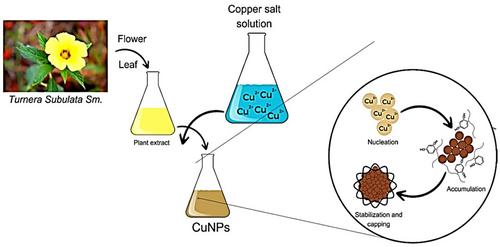
Sodium alginate is used in wound care because of its hydrogel-forming properties and ability to protect the wound. Copper nanoparticles have properties that inhibit the growth of microorganisms and mediate the production of essential biomolecules for the healing process, making them an excellent choice for constructing nanocomposites for wound treatment. This work aimed to synthesize copper nanoparticles using an aqueous extract of Turnera subulata Sm. and incorporate them into sodium alginate to obtain films with healing potential. The proposed system was characterized by ultraviolet–visible spectroscopy (UV–vis), Fourier-transform infrared (FTIR), dynamic light scattering (DLS), atomic force microscopy (AFM), x-ray crystallography, and biocompatibility verified by hemolysis test. The UV–vis analysis showed that CuO NPs absorb at 280 and 404 nm. The FTIR spectra revealed stretching and folding modes of the functional groups present in the aqueous extract of T. subulata responsible for the reduction/stabilization of the copper ion, as well as signals at 780 and 618 cm−1 originating from the CuO bond. Size estimation using DLS revealed 564.5 and 394.2 nm. AFM data showed that adding copper oxide nanoparticles (CuO NPs) changed alginate roughness, and surface imaging revealed a material with a uniform appearance. The hemolysis test showed hemocompatibility of CuO NPs at all tested concentrations. Histology showed that CuONP-loaded alginate films accelerated the healing process.
期刊介绍:
Journal of Polymer Research provides a forum for the prompt publication of articles concerning the fundamental and applied research of polymers. Its great feature lies in the diversity of content which it encompasses, drawing together results from all aspects of polymer science and technology.
As polymer research is rapidly growing around the globe, the aim of this journal is to establish itself as a significant information tool not only for the international polymer researchers in academia but also for those working in industry. The scope of the journal covers a wide range of the highly interdisciplinary field of polymer science and technology.




 京公网安备 11010802042870号
京ICP备2023020795号-1
京公网安备 11010802042870号
京ICP备2023020795号-1

 分享
分享
 求助内容:
求助内容: 应助结果提醒方式:
 扫码关注我们
