Diako Morvati, Rita Solbakken, Jonas Rennemo Vaag, Yvonne Hilli
{"title":"护士长在发展促进健康的工作环境中的动机:一项解释学研究","authors":"Diako Morvati, Rita Solbakken, Jonas Rennemo Vaag, Yvonne Hilli","doi":"10.1155/jonm/3040594","DOIUrl":null,"url":null,"abstract":"<div>\n <p><b>Background:</b> The literature review highlights that a motivated leader plays a key role in motivating employees and fostering a health-promoting work environment. Despite its importance, there is limited knowledge about the motivational forces, from a caring science perspective, that drive nurse leaders to develop a health-promoting work environment.</p>\n <p><b>Aim:</b> This study aims to gain a deeper understanding of the motivational forces driving nurse leaders toward developing a health-promoting work environment.</p>\n <p><b>Method:</b> A qualitative design with a hermeneutic approach inspired by Gadamer was chosen. Data were collected through semistructured interviews with 13 nurse leaders in northern Norway between December 2023 and February 2024. The Standards for Reporting Qualitative Research (SRQR) were followed in reporting the results.</p>\n <p><b>Findings:</b> The nurse leader’s motivational forces in developing a health-promoting work environment imbued with an ethos of (1) sense of inner responsibility for promoting the wellbeing of others, (2) sense of trusting relationships in the workplace, (3) sense of mastery through learning and development, and (4) sense of recognition from superiors through being seen, supported, and involved.</p>\n <p><b>Conclusion:</b> This study highlights the importance of raising awareness and articulating nurse leaders’ underlying motives and values. Doing so transforms abstract concepts into tangible factors that stakeholders can grasp. In particular, this insight provides valuable guidance to politicians and decision-makers on how to facilitate improved working conditions for nurse leaders, thereby maintaining and enhancing their motivation.</p>\n <p><b>Implications for Nursing Leadership:</b> The findings of this study recommend that superior leaders and policymakers should prioritize involving nurse leaders in decision-making and promoting their autonomy and room for action. In addition, it suggests facilitating further education and training programs for leaders, as well as maintaining leadership networks where nurse leaders can reflect, exchange experiences, and address challenges.</p>\n </div>","PeriodicalId":49297,"journal":{"name":"Journal of Nursing Management","volume":"2024 1","pages":""},"PeriodicalIF":4.0000,"publicationDate":"2024-12-29","publicationTypes":"Journal Article","fieldsOfStudy":null,"isOpenAccess":false,"openAccessPdf":"https://onlinelibrary.wiley.com/doi/epdf/10.1155/jonm/3040594","citationCount":"0","resultStr":"{\"title\":\"Nurse Leaders’ Motivational Forces in Developing a Health-Promoting Work Environment: A Hermeneutic Study\",\"authors\":\"Diako Morvati, Rita Solbakken, Jonas Rennemo Vaag, Yvonne Hilli\",\"doi\":\"10.1155/jonm/3040594\",\"DOIUrl\":null,\"url\":null,\"abstract\":\"<div>\\n <p><b>Background:</b> The literature review highlights that a motivated leader plays a key role in motivating employees and fostering a health-promoting work environment. Despite its importance, there is limited knowledge about the motivational forces, from a caring science perspective, that drive nurse leaders to develop a health-promoting work environment.</p>\\n <p><b>Aim:</b> This study aims to gain a deeper understanding of the motivational forces driving nurse leaders toward developing a health-promoting work environment.</p>\\n <p><b>Method:</b> A qualitative design with a hermeneutic approach inspired by Gadamer was chosen. Data were collected through semistructured interviews with 13 nurse leaders in northern Norway between December 2023 and February 2024. The Standards for Reporting Qualitative Research (SRQR) were followed in reporting the results.</p>\\n <p><b>Findings:</b> The nurse leader’s motivational forces in developing a health-promoting work environment imbued with an ethos of (1) sense of inner responsibility for promoting the wellbeing of others, (2) sense of trusting relationships in the workplace, (3) sense of mastery through learning and development, and (4) sense of recognition from superiors through being seen, supported, and involved.</p>\\n <p><b>Conclusion:</b> This study highlights the importance of raising awareness and articulating nurse leaders’ underlying motives and values. Doing so transforms abstract concepts into tangible factors that stakeholders can grasp. In particular, this insight provides valuable guidance to politicians and decision-makers on how to facilitate improved working conditions for nurse leaders, thereby maintaining and enhancing their motivation.</p>\\n <p><b>Implications for Nursing Leadership:</b> The findings of this study recommend that superior leaders and policymakers should prioritize involving nurse leaders in decision-making and promoting their autonomy and room for action. In addition, it suggests facilitating further education and training programs for leaders, as well as maintaining leadership networks where nurse leaders can reflect, exchange experiences, and address challenges.</p>\\n </div>\",\"PeriodicalId\":49297,\"journal\":{\"name\":\"Journal of Nursing Management\",\"volume\":\"2024 1\",\"pages\":\"\"},\"PeriodicalIF\":4.0000,\"publicationDate\":\"2024-12-29\",\"publicationTypes\":\"Journal Article\",\"fieldsOfStudy\":null,\"isOpenAccess\":false,\"openAccessPdf\":\"https://onlinelibrary.wiley.com/doi/epdf/10.1155/jonm/3040594\",\"citationCount\":\"0\",\"resultStr\":null,\"platform\":\"Semanticscholar\",\"paperid\":null,\"PeriodicalName\":\"Journal of Nursing Management\",\"FirstCategoryId\":\"3\",\"ListUrlMain\":\"https://onlinelibrary.wiley.com/doi/10.1155/jonm/3040594\",\"RegionNum\":2,\"RegionCategory\":\"医学\",\"ArticlePicture\":[],\"TitleCN\":null,\"AbstractTextCN\":null,\"PMCID\":null,\"EPubDate\":\"\",\"PubModel\":\"\",\"JCR\":\"Q2\",\"JCRName\":\"MANAGEMENT\",\"Score\":null,\"Total\":0}","platform":"Semanticscholar","paperid":null,"PeriodicalName":"Journal of Nursing Management","FirstCategoryId":"3","ListUrlMain":"https://onlinelibrary.wiley.com/doi/10.1155/jonm/3040594","RegionNum":2,"RegionCategory":"医学","ArticlePicture":[],"TitleCN":null,"AbstractTextCN":null,"PMCID":null,"EPubDate":"","PubModel":"","JCR":"Q2","JCRName":"MANAGEMENT","Score":null,"Total":0}
Nurse Leaders’ Motivational Forces in Developing a Health-Promoting Work Environment: A Hermeneutic Study
Background: The literature review highlights that a motivated leader plays a key role in motivating employees and fostering a health-promoting work environment. Despite its importance, there is limited knowledge about the motivational forces, from a caring science perspective, that drive nurse leaders to develop a health-promoting work environment.
Aim: This study aims to gain a deeper understanding of the motivational forces driving nurse leaders toward developing a health-promoting work environment.
Method: A qualitative design with a hermeneutic approach inspired by Gadamer was chosen. Data were collected through semistructured interviews with 13 nurse leaders in northern Norway between December 2023 and February 2024. The Standards for Reporting Qualitative Research (SRQR) were followed in reporting the results.
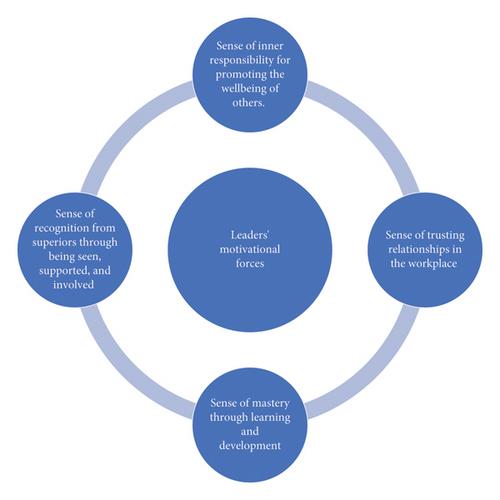
Findings: The nurse leader’s motivational forces in developing a health-promoting work environment imbued with an ethos of (1) sense of inner responsibility for promoting the wellbeing of others, (2) sense of trusting relationships in the workplace, (3) sense of mastery through learning and development, and (4) sense of recognition from superiors through being seen, supported, and involved.
Conclusion: This study highlights the importance of raising awareness and articulating nurse leaders’ underlying motives and values. Doing so transforms abstract concepts into tangible factors that stakeholders can grasp. In particular, this insight provides valuable guidance to politicians and decision-makers on how to facilitate improved working conditions for nurse leaders, thereby maintaining and enhancing their motivation.
Implications for Nursing Leadership: The findings of this study recommend that superior leaders and policymakers should prioritize involving nurse leaders in decision-making and promoting their autonomy and room for action. In addition, it suggests facilitating further education and training programs for leaders, as well as maintaining leadership networks where nurse leaders can reflect, exchange experiences, and address challenges.
期刊介绍:
The Journal of Nursing Management is an international forum which informs and advances the discipline of nursing management and leadership. The Journal encourages scholarly debate and critical analysis resulting in a rich source of evidence which underpins and illuminates the practice of management, innovation and leadership in nursing and health care. It publishes current issues and developments in practice in the form of research papers, in-depth commentaries and analyses.
The complex and rapidly changing nature of global health care is constantly generating new challenges and questions. The Journal of Nursing Management welcomes papers from researchers, academics, practitioners, managers, and policy makers from a range of countries and backgrounds which examine these issues and contribute to the body of knowledge in international nursing management and leadership worldwide.
The Journal of Nursing Management aims to:
-Inform practitioners and researchers in nursing management and leadership
-Explore and debate current issues in nursing management and leadership
-Assess the evidence for current practice
-Develop best practice in nursing management and leadership
-Examine the impact of policy developments
-Address issues in governance, quality and safety





 京公网安备 11010802042870号
京ICP备2023020795号-1
京公网安备 11010802042870号
京ICP备2023020795号-1

 分享
分享
 求助内容:
求助内容: 应助结果提醒方式:
 扫码关注我们
