{"title":"纳米工程免疫检查点抑制剂用于脑癌靶向治疗:现状和未来展望","authors":"Juan Liu , Yichao Wang , Zhidu Song , Yukai Zhang","doi":"10.1016/j.bcp.2025.116789","DOIUrl":null,"url":null,"abstract":"<div><div>Brain tumors create special difficulties because of their position and the protective covering of blood brain barrier (BBB) that restricts efficient medication access. Treatment alternatives such as surgery and chemotherapy demonstrate poor performance against severe brain tumors. The use of immune checkpoint inhibitors (ICIs) hints at effective cancer therapy; however, their application to brain cancer faces challenges due to inefficient delivery through the BBB and the tumor’s suppressive environment. Nanoengineering can increase the transport of ICIs to brain tumors. Numerous nano-delivery systems such as liposomes and micelles have explored ways to avoid the BBB via transcytosis and the EPR mechanism. Functionalization of nanocarriers enhances targeting tumor cells and improves treatment accuracy. New developments involve delivering ICIs together with adjuvants to change the TME and focusing on immune cells such as TAMs and Tregs to boost immunity against tumors. Nanoengineered ICIs have shown effective improvement in animal models by reducing toxicity and enhancing efficacy. Converting these successes into real clinical trials is not easy as they face regulatory concerns and safety challenges. Clinical trials currently examine the use of nanocarriers for treating brain cancer; however, scalability’ and ’long-term safety’ continue to pose challenges. Future approaches will focus on combining customized medicine with advanced nanotechnology and AI to refine treatment methods. Despite obstacles ahead, nanotechnology-based ICIs offer a hopeful approach to enhance brain cancer efficacy and address existing therapeutic constraints.</div></div>","PeriodicalId":8806,"journal":{"name":"Biochemical pharmacology","volume":"233 ","pages":"Article 116789"},"PeriodicalIF":6.5000,"publicationDate":"2025-03-01","publicationTypes":"Journal Article","fieldsOfStudy":null,"isOpenAccess":false,"openAccessPdf":"","citationCount":"0","resultStr":"{\"title\":\"Nanoengineered immune check point inhibitors delivery for targeted brain cancer treatment: Current status and future perspectives\",\"authors\":\"Juan Liu , Yichao Wang , Zhidu Song , Yukai Zhang\",\"doi\":\"10.1016/j.bcp.2025.116789\",\"DOIUrl\":null,\"url\":null,\"abstract\":\"<div><div>Brain tumors create special difficulties because of their position and the protective covering of blood brain barrier (BBB) that restricts efficient medication access. Treatment alternatives such as surgery and chemotherapy demonstrate poor performance against severe brain tumors. The use of immune checkpoint inhibitors (ICIs) hints at effective cancer therapy; however, their application to brain cancer faces challenges due to inefficient delivery through the BBB and the tumor’s suppressive environment. Nanoengineering can increase the transport of ICIs to brain tumors. Numerous nano-delivery systems such as liposomes and micelles have explored ways to avoid the BBB via transcytosis and the EPR mechanism. Functionalization of nanocarriers enhances targeting tumor cells and improves treatment accuracy. New developments involve delivering ICIs together with adjuvants to change the TME and focusing on immune cells such as TAMs and Tregs to boost immunity against tumors. Nanoengineered ICIs have shown effective improvement in animal models by reducing toxicity and enhancing efficacy. Converting these successes into real clinical trials is not easy as they face regulatory concerns and safety challenges. Clinical trials currently examine the use of nanocarriers for treating brain cancer; however, scalability’ and ’long-term safety’ continue to pose challenges. Future approaches will focus on combining customized medicine with advanced nanotechnology and AI to refine treatment methods. Despite obstacles ahead, nanotechnology-based ICIs offer a hopeful approach to enhance brain cancer efficacy and address existing therapeutic constraints.</div></div>\",\"PeriodicalId\":8806,\"journal\":{\"name\":\"Biochemical pharmacology\",\"volume\":\"233 \",\"pages\":\"Article 116789\"},\"PeriodicalIF\":6.5000,\"publicationDate\":\"2025-03-01\",\"publicationTypes\":\"Journal Article\",\"fieldsOfStudy\":null,\"isOpenAccess\":false,\"openAccessPdf\":\"\",\"citationCount\":\"0\",\"resultStr\":null,\"platform\":\"Semanticscholar\",\"paperid\":null,\"PeriodicalName\":\"Biochemical pharmacology\",\"FirstCategoryId\":\"3\",\"ListUrlMain\":\"https://www.sciencedirect.com/science/article/pii/S0006295225000516\",\"RegionNum\":2,\"RegionCategory\":\"医学\",\"ArticlePicture\":[],\"TitleCN\":null,\"AbstractTextCN\":null,\"PMCID\":null,\"EPubDate\":\"2025/2/1 0:00:00\",\"PubModel\":\"Epub\",\"JCR\":\"Q1\",\"JCRName\":\"PHARMACOLOGY & PHARMACY\",\"Score\":null,\"Total\":0}","platform":"Semanticscholar","paperid":null,"PeriodicalName":"Biochemical pharmacology","FirstCategoryId":"3","ListUrlMain":"https://www.sciencedirect.com/science/article/pii/S0006295225000516","RegionNum":2,"RegionCategory":"医学","ArticlePicture":[],"TitleCN":null,"AbstractTextCN":null,"PMCID":null,"EPubDate":"2025/2/1 0:00:00","PubModel":"Epub","JCR":"Q1","JCRName":"PHARMACOLOGY & PHARMACY","Score":null,"Total":0}
Nanoengineered immune check point inhibitors delivery for targeted brain cancer treatment: Current status and future perspectives
Brain tumors create special difficulties because of their position and the protective covering of blood brain barrier (BBB) that restricts efficient medication access. Treatment alternatives such as surgery and chemotherapy demonstrate poor performance against severe brain tumors. The use of immune checkpoint inhibitors (ICIs) hints at effective cancer therapy; however, their application to brain cancer faces challenges due to inefficient delivery through the BBB and the tumor’s suppressive environment. Nanoengineering can increase the transport of ICIs to brain tumors. Numerous nano-delivery systems such as liposomes and micelles have explored ways to avoid the BBB via transcytosis and the EPR mechanism. Functionalization of nanocarriers enhances targeting tumor cells and improves treatment accuracy. New developments involve delivering ICIs together with adjuvants to change the TME and focusing on immune cells such as TAMs and Tregs to boost immunity against tumors. Nanoengineered ICIs have shown effective improvement in animal models by reducing toxicity and enhancing efficacy. Converting these successes into real clinical trials is not easy as they face regulatory concerns and safety challenges. Clinical trials currently examine the use of nanocarriers for treating brain cancer; however, scalability’ and ’long-term safety’ continue to pose challenges. Future approaches will focus on combining customized medicine with advanced nanotechnology and AI to refine treatment methods. Despite obstacles ahead, nanotechnology-based ICIs offer a hopeful approach to enhance brain cancer efficacy and address existing therapeutic constraints.
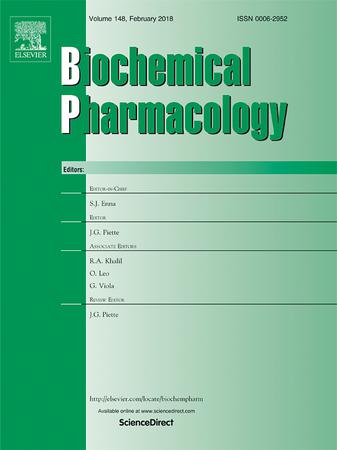
期刊介绍:
Biochemical Pharmacology publishes original research findings, Commentaries and review articles related to the elucidation of cellular and tissue function(s) at the biochemical and molecular levels, the modification of cellular phenotype(s) by genetic, transcriptional/translational or drug/compound-induced modifications, as well as the pharmacodynamics and pharmacokinetics of xenobiotics and drugs, the latter including both small molecules and biologics.
The journal''s target audience includes scientists engaged in the identification and study of the mechanisms of action of xenobiotics, biologics and drugs and in the drug discovery and development process.
All areas of cellular biology and cellular, tissue/organ and whole animal pharmacology fall within the scope of the journal. Drug classes covered include anti-infectives, anti-inflammatory agents, chemotherapeutics, cardiovascular, endocrinological, immunological, metabolic, neurological and psychiatric drugs, as well as research on drug metabolism and kinetics. While medicinal chemistry is a topic of complimentary interest, manuscripts in this area must contain sufficient biological data to characterize pharmacologically the compounds reported. Submissions describing work focused predominately on chemical synthesis and molecular modeling will not be considered for review.
While particular emphasis is placed on reporting the results of molecular and biochemical studies, research involving the use of tissue and animal models of human pathophysiology and toxicology is of interest to the extent that it helps define drug mechanisms of action, safety and efficacy.





 京公网安备 11010802042870号
京ICP备2023020795号-1
京公网安备 11010802042870号
京ICP备2023020795号-1

 分享
分享
 求助内容:
求助内容: 应助结果提醒方式:
 扫码关注我们
