Maryam Rafieemanesh, Manizhe Ataee Kachuee, Ali Zare Mehrjardi, Alireza Khajavi, Mohammad Ghorbani, Mohammad Reza Mohajeri-Tehrani, Nahid Hashemi-Madani, Mohammad E Khamseh
{"title":"活动性肢端肥大症患者手术后对药物治疗的生化和结构反应的预测因素:现实世界的观点。","authors":"Maryam Rafieemanesh, Manizhe Ataee Kachuee, Ali Zare Mehrjardi, Alireza Khajavi, Mohammad Ghorbani, Mohammad Reza Mohajeri-Tehrani, Nahid Hashemi-Madani, Mohammad E Khamseh","doi":"10.1186/s12902-025-01856-w","DOIUrl":null,"url":null,"abstract":"<p><strong>Background: </strong>Somatostatin receptor analogs (SRAs) and dopamine agonists (DAs) are the main medical treatments for patients with acromegaly who fail to achieve remission after surgery. We aimed to explore the potential role of select clinical, biochemical, and radiological factors in predicting biochemical and structural responses to medical therapy in a real-world setting.</p><p><strong>Methods: </strong>This retrospective cohort study included 58 patients with active acromegaly following surgery treated with Octreotide long-acting release (LAR) (± Cabergoline). Biochemical outcomes were defined as the tight biochemical response (TBR; normal insulin-like growth factor-1(IGF-1)) and biochemical control (BC; IGF-1 ≤ 1.2 upper limit of normal (ULN)). The structural response was defined as > 25% reduction in one dimension of the tumor at the last visit. Univariate and multivariate analyses assessed the predictors of biochemical and structural response.</p><p><strong>Results: </strong>The mean age of the participants was 41.5 ± 11.7 years. They were followed for a median of 27.6 (19.2-43.2) months. At the last visit, TBR and BC were achieved in 48.3% and 51.7% of the patients. Moreover, 51.4% of the patients showed a structural response. Applying the age-sex adjusted model, post-operative IGF-1 was inversely associated with TBR [OR 0.34, P = 0.006] and BC [OR 0.30, P = 0.004]. Moreover, Knosp grading < 3 compared to ≥ 3, and T2-hypointensity compared to the non-T2-hypointensity were associated with higher odds of TBR [OR 3.98, P = 0.04], [OR 27.63, P = 0.01], and BC [OR 5.80, P = 0.01], [OR 35.15, P = 0.01], respectively.</p><p><strong>Conclusions: </strong>Post-operative IGF-1, Knosp grading, and T2-hypointensity could be considered for an individualized treatment plan in acromegaly. Accordingly, we propose an individual multidisciplinary treatment approach for patients not achieving remission after surgery.</p>","PeriodicalId":9152,"journal":{"name":"BMC Endocrine Disorders","volume":"25 1","pages":"30"},"PeriodicalIF":3.3000,"publicationDate":"2025-02-03","publicationTypes":"Journal Article","fieldsOfStudy":null,"isOpenAccess":false,"openAccessPdf":"https://www.ncbi.nlm.nih.gov/pmc/articles/PMC11789350/pdf/","citationCount":"0","resultStr":"{\"title\":\"Predictors of biochemical and structural response to medical therapy in patients with active acromegaly following surgery: a real-world perspective.\",\"authors\":\"Maryam Rafieemanesh, Manizhe Ataee Kachuee, Ali Zare Mehrjardi, Alireza Khajavi, Mohammad Ghorbani, Mohammad Reza Mohajeri-Tehrani, Nahid Hashemi-Madani, Mohammad E Khamseh\",\"doi\":\"10.1186/s12902-025-01856-w\",\"DOIUrl\":null,\"url\":null,\"abstract\":\"<p><strong>Background: </strong>Somatostatin receptor analogs (SRAs) and dopamine agonists (DAs) are the main medical treatments for patients with acromegaly who fail to achieve remission after surgery. We aimed to explore the potential role of select clinical, biochemical, and radiological factors in predicting biochemical and structural responses to medical therapy in a real-world setting.</p><p><strong>Methods: </strong>This retrospective cohort study included 58 patients with active acromegaly following surgery treated with Octreotide long-acting release (LAR) (± Cabergoline). Biochemical outcomes were defined as the tight biochemical response (TBR; normal insulin-like growth factor-1(IGF-1)) and biochemical control (BC; IGF-1 ≤ 1.2 upper limit of normal (ULN)). The structural response was defined as > 25% reduction in one dimension of the tumor at the last visit. Univariate and multivariate analyses assessed the predictors of biochemical and structural response.</p><p><strong>Results: </strong>The mean age of the participants was 41.5 ± 11.7 years. They were followed for a median of 27.6 (19.2-43.2) months. At the last visit, TBR and BC were achieved in 48.3% and 51.7% of the patients. Moreover, 51.4% of the patients showed a structural response. Applying the age-sex adjusted model, post-operative IGF-1 was inversely associated with TBR [OR 0.34, P = 0.006] and BC [OR 0.30, P = 0.004]. Moreover, Knosp grading < 3 compared to ≥ 3, and T2-hypointensity compared to the non-T2-hypointensity were associated with higher odds of TBR [OR 3.98, P = 0.04], [OR 27.63, P = 0.01], and BC [OR 5.80, P = 0.01], [OR 35.15, P = 0.01], respectively.</p><p><strong>Conclusions: </strong>Post-operative IGF-1, Knosp grading, and T2-hypointensity could be considered for an individualized treatment plan in acromegaly. Accordingly, we propose an individual multidisciplinary treatment approach for patients not achieving remission after surgery.</p>\",\"PeriodicalId\":9152,\"journal\":{\"name\":\"BMC Endocrine Disorders\",\"volume\":\"25 1\",\"pages\":\"30\"},\"PeriodicalIF\":3.3000,\"publicationDate\":\"2025-02-03\",\"publicationTypes\":\"Journal Article\",\"fieldsOfStudy\":null,\"isOpenAccess\":false,\"openAccessPdf\":\"https://www.ncbi.nlm.nih.gov/pmc/articles/PMC11789350/pdf/\",\"citationCount\":\"0\",\"resultStr\":null,\"platform\":\"Semanticscholar\",\"paperid\":null,\"PeriodicalName\":\"BMC Endocrine Disorders\",\"FirstCategoryId\":\"3\",\"ListUrlMain\":\"https://doi.org/10.1186/s12902-025-01856-w\",\"RegionNum\":3,\"RegionCategory\":\"医学\",\"ArticlePicture\":[],\"TitleCN\":null,\"AbstractTextCN\":null,\"PMCID\":null,\"EPubDate\":\"\",\"PubModel\":\"\",\"JCR\":\"Q3\",\"JCRName\":\"ENDOCRINOLOGY & METABOLISM\",\"Score\":null,\"Total\":0}","platform":"Semanticscholar","paperid":null,"PeriodicalName":"BMC Endocrine Disorders","FirstCategoryId":"3","ListUrlMain":"https://doi.org/10.1186/s12902-025-01856-w","RegionNum":3,"RegionCategory":"医学","ArticlePicture":[],"TitleCN":null,"AbstractTextCN":null,"PMCID":null,"EPubDate":"","PubModel":"","JCR":"Q3","JCRName":"ENDOCRINOLOGY & METABOLISM","Score":null,"Total":0}
引用次数: 0
摘要
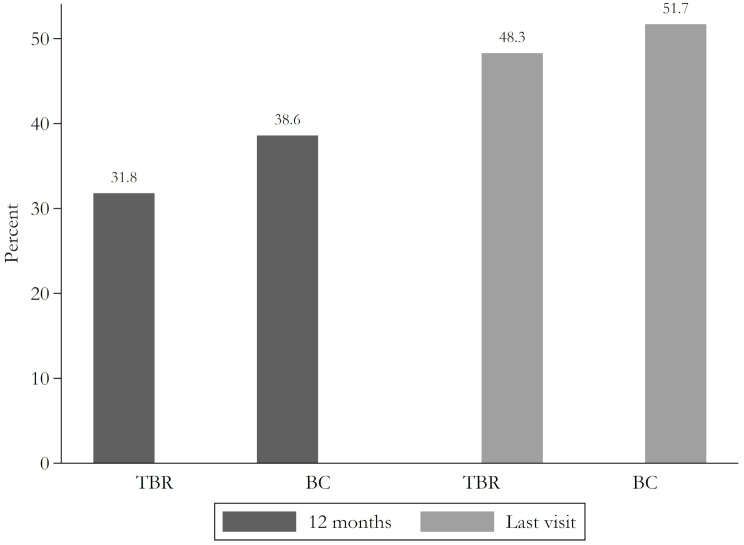
背景:生长抑素受体类似物(sra)和多巴胺激动剂(DAs)是肢端肥大症患者术后未能达到缓解的主要药物治疗方法。我们的目的是探讨在现实世界中,临床、生化和放射学因素在预测药物治疗的生化和结构反应中的潜在作用。方法:回顾性队列研究纳入58例术后应用奥曲肽长效释放剂(±卡麦角林)治疗的活动性肢端肥大症患者。生化指标定义为紧密生化反应(TBR);正常胰岛素样生长因子-1(IGF-1))和生化控制(BC;IGF-1≤1.2正常上限(ULN)。结构反应定义为在最后一次就诊时肿瘤的一个维度缩小> 25%。单变量和多变量分析评估了生化反应和结构反应的预测因子。结果:参与者平均年龄为41.5±11.7岁。随访时间中位数为27.6(19.2-43.2)个月。末次访视时,TBR和BC分别达到48.3%和51.7%。51.4%的患者出现结构性反应。应用年龄-性别调整模型,术后IGF-1与TBR [OR 0.34, P = 0.006]和BC [OR 0.30, P = 0.004]呈负相关。结论:肢端肥大症的个体化治疗方案可考虑术后IGF-1、Knosp分级和t2低值。因此,我们提出了一个单独的多学科的治疗方法,患者不能达到缓解后手术。
Predictors of biochemical and structural response to medical therapy in patients with active acromegaly following surgery: a real-world perspective.
Background: Somatostatin receptor analogs (SRAs) and dopamine agonists (DAs) are the main medical treatments for patients with acromegaly who fail to achieve remission after surgery. We aimed to explore the potential role of select clinical, biochemical, and radiological factors in predicting biochemical and structural responses to medical therapy in a real-world setting.
Methods: This retrospective cohort study included 58 patients with active acromegaly following surgery treated with Octreotide long-acting release (LAR) (± Cabergoline). Biochemical outcomes were defined as the tight biochemical response (TBR; normal insulin-like growth factor-1(IGF-1)) and biochemical control (BC; IGF-1 ≤ 1.2 upper limit of normal (ULN)). The structural response was defined as > 25% reduction in one dimension of the tumor at the last visit. Univariate and multivariate analyses assessed the predictors of biochemical and structural response.
Results: The mean age of the participants was 41.5 ± 11.7 years. They were followed for a median of 27.6 (19.2-43.2) months. At the last visit, TBR and BC were achieved in 48.3% and 51.7% of the patients. Moreover, 51.4% of the patients showed a structural response. Applying the age-sex adjusted model, post-operative IGF-1 was inversely associated with TBR [OR 0.34, P = 0.006] and BC [OR 0.30, P = 0.004]. Moreover, Knosp grading < 3 compared to ≥ 3, and T2-hypointensity compared to the non-T2-hypointensity were associated with higher odds of TBR [OR 3.98, P = 0.04], [OR 27.63, P = 0.01], and BC [OR 5.80, P = 0.01], [OR 35.15, P = 0.01], respectively.
Conclusions: Post-operative IGF-1, Knosp grading, and T2-hypointensity could be considered for an individualized treatment plan in acromegaly. Accordingly, we propose an individual multidisciplinary treatment approach for patients not achieving remission after surgery.
期刊介绍:
BMC Endocrine Disorders is an open access, peer-reviewed journal that considers articles on all aspects of the prevention, diagnosis and management of endocrine disorders, as well as related molecular genetics, pathophysiology, and epidemiology.





 京公网安备 11010802042870号
京ICP备2023020795号-1
京公网安备 11010802042870号
京ICP备2023020795号-1

 分享
分享
 求助内容:
求助内容: 应助结果提醒方式:
 扫码关注我们
