Rebeccah Slater, Suellen Walker, Christopher Eccleston, Carlo Bellieni, Tanvi Hirekodi, Ricardo Carbajal, Lucinda Smart, William Laughey, Maria M Cobo, Stefan Friedrichsdorf
{"title":"重要的时刻:儿童疼痛治疗决定了疼痛的一生——我们每次都可以在每个孩子身上做得更好。","authors":"Rebeccah Slater, Suellen Walker, Christopher Eccleston, Carlo Bellieni, Tanvi Hirekodi, Ricardo Carbajal, Lucinda Smart, William Laughey, Maria M Cobo, Stefan Friedrichsdorf","doi":"10.1186/s12916-025-03869-7","DOIUrl":null,"url":null,"abstract":"<p><strong>Background: </strong>Needle procedures, such as vaccinations, blood draws, and intravenous cannulation, are the most frequent source of childhood pain, causing fear and reducing the uptake of medical procedures. Every child has the right to expect pain relief, and we have evidence-based tools to reduce needle procedure-related pain. Therefore, the lack of analgesic provision for needle pain is not justified. We argue that better informed and motivated healthcare professionals and families can advocate for appropriate pain relief in every child, every time.</p><p><strong>Observations: </strong>Engaging communication campaigns are needed to educate our healthcare professionals. Evidence-based modalities such as topical anaesthesia, sucrose or breastfeeding, comfort positioning, and age-appropriate distractions should be available for every child during needle procedures. However, high-quality information is not enough to change behaviour-healthcare professionals need to be motivated, encouraged, and inspired. Parents and carers should be empowered to advocate for their children and be aware that their child has the right to receive pain relief during these procedures. CONCLUSIONS AND RELEVANCE: This is a call to action-we need collaboration between academics, healthcare professionals, industry and charities, to expedite behavioural change and parental advocacy through high-quality communication strategies. Effective pain management in infants and children can play a crucial role in promoting the uptake of vaccinations and medical procedures and can influence future attitudes to pain.</p>","PeriodicalId":9188,"journal":{"name":"BMC Medicine","volume":"23 1","pages":"64"},"PeriodicalIF":8.7000,"publicationDate":"2025-02-04","publicationTypes":"Journal Article","fieldsOfStudy":null,"isOpenAccess":false,"openAccessPdf":"https://www.ncbi.nlm.nih.gov/pmc/articles/PMC11792334/pdf/","citationCount":"0","resultStr":"{\"title\":\"Moments that matter: childhood pain treatment shapes pain for life-we can do better every time in every child.\",\"authors\":\"Rebeccah Slater, Suellen Walker, Christopher Eccleston, Carlo Bellieni, Tanvi Hirekodi, Ricardo Carbajal, Lucinda Smart, William Laughey, Maria M Cobo, Stefan Friedrichsdorf\",\"doi\":\"10.1186/s12916-025-03869-7\",\"DOIUrl\":null,\"url\":null,\"abstract\":\"<p><strong>Background: </strong>Needle procedures, such as vaccinations, blood draws, and intravenous cannulation, are the most frequent source of childhood pain, causing fear and reducing the uptake of medical procedures. Every child has the right to expect pain relief, and we have evidence-based tools to reduce needle procedure-related pain. Therefore, the lack of analgesic provision for needle pain is not justified. We argue that better informed and motivated healthcare professionals and families can advocate for appropriate pain relief in every child, every time.</p><p><strong>Observations: </strong>Engaging communication campaigns are needed to educate our healthcare professionals. Evidence-based modalities such as topical anaesthesia, sucrose or breastfeeding, comfort positioning, and age-appropriate distractions should be available for every child during needle procedures. However, high-quality information is not enough to change behaviour-healthcare professionals need to be motivated, encouraged, and inspired. Parents and carers should be empowered to advocate for their children and be aware that their child has the right to receive pain relief during these procedures. CONCLUSIONS AND RELEVANCE: This is a call to action-we need collaboration between academics, healthcare professionals, industry and charities, to expedite behavioural change and parental advocacy through high-quality communication strategies. Effective pain management in infants and children can play a crucial role in promoting the uptake of vaccinations and medical procedures and can influence future attitudes to pain.</p>\",\"PeriodicalId\":9188,\"journal\":{\"name\":\"BMC Medicine\",\"volume\":\"23 1\",\"pages\":\"64\"},\"PeriodicalIF\":8.7000,\"publicationDate\":\"2025-02-04\",\"publicationTypes\":\"Journal Article\",\"fieldsOfStudy\":null,\"isOpenAccess\":false,\"openAccessPdf\":\"https://www.ncbi.nlm.nih.gov/pmc/articles/PMC11792334/pdf/\",\"citationCount\":\"0\",\"resultStr\":null,\"platform\":\"Semanticscholar\",\"paperid\":null,\"PeriodicalName\":\"BMC Medicine\",\"FirstCategoryId\":\"3\",\"ListUrlMain\":\"https://doi.org/10.1186/s12916-025-03869-7\",\"RegionNum\":1,\"RegionCategory\":\"医学\",\"ArticlePicture\":[],\"TitleCN\":null,\"AbstractTextCN\":null,\"PMCID\":null,\"EPubDate\":\"\",\"PubModel\":\"\",\"JCR\":\"Q1\",\"JCRName\":\"MEDICINE, GENERAL & INTERNAL\",\"Score\":null,\"Total\":0}","platform":"Semanticscholar","paperid":null,"PeriodicalName":"BMC Medicine","FirstCategoryId":"3","ListUrlMain":"https://doi.org/10.1186/s12916-025-03869-7","RegionNum":1,"RegionCategory":"医学","ArticlePicture":[],"TitleCN":null,"AbstractTextCN":null,"PMCID":null,"EPubDate":"","PubModel":"","JCR":"Q1","JCRName":"MEDICINE, GENERAL & INTERNAL","Score":null,"Total":0}
Moments that matter: childhood pain treatment shapes pain for life-we can do better every time in every child.
Background: Needle procedures, such as vaccinations, blood draws, and intravenous cannulation, are the most frequent source of childhood pain, causing fear and reducing the uptake of medical procedures. Every child has the right to expect pain relief, and we have evidence-based tools to reduce needle procedure-related pain. Therefore, the lack of analgesic provision for needle pain is not justified. We argue that better informed and motivated healthcare professionals and families can advocate for appropriate pain relief in every child, every time.
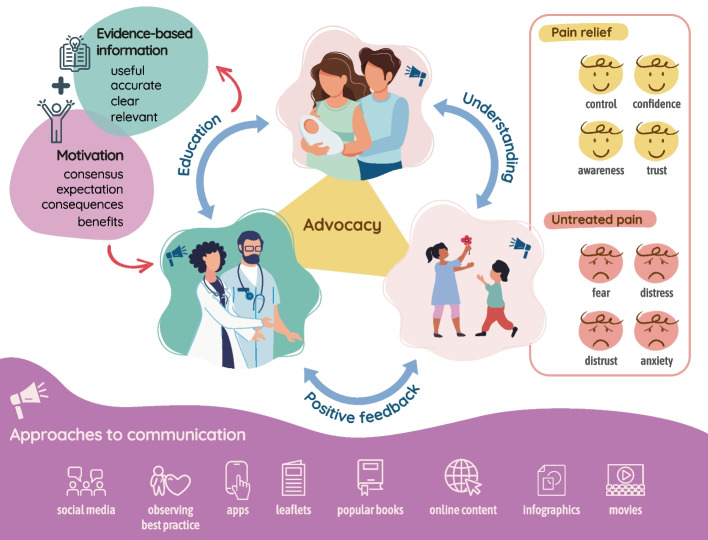
Observations: Engaging communication campaigns are needed to educate our healthcare professionals. Evidence-based modalities such as topical anaesthesia, sucrose or breastfeeding, comfort positioning, and age-appropriate distractions should be available for every child during needle procedures. However, high-quality information is not enough to change behaviour-healthcare professionals need to be motivated, encouraged, and inspired. Parents and carers should be empowered to advocate for their children and be aware that their child has the right to receive pain relief during these procedures. CONCLUSIONS AND RELEVANCE: This is a call to action-we need collaboration between academics, healthcare professionals, industry and charities, to expedite behavioural change and parental advocacy through high-quality communication strategies. Effective pain management in infants and children can play a crucial role in promoting the uptake of vaccinations and medical procedures and can influence future attitudes to pain.
期刊介绍:
BMC Medicine is an open access, transparent peer-reviewed general medical journal. It is the flagship journal of the BMC series and publishes outstanding and influential research in various areas including clinical practice, translational medicine, medical and health advances, public health, global health, policy, and general topics of interest to the biomedical and sociomedical professional communities. In addition to research articles, the journal also publishes stimulating debates, reviews, unique forum articles, and concise tutorials. All articles published in BMC Medicine are included in various databases such as Biological Abstracts, BIOSIS, CAS, Citebase, Current contents, DOAJ, Embase, MEDLINE, PubMed, Science Citation Index Expanded, OAIster, SCImago, Scopus, SOCOLAR, and Zetoc.




 京公网安备 11010802042870号
京ICP备2023020795号-1
京公网安备 11010802042870号
京ICP备2023020795号-1

 分享
分享
 求助内容:
求助内容: 应助结果提醒方式:
 扫码关注我们
