Kirsten J M van Hooijdonk, Zoe E Reed, Nina van den Broek, Madhurbain Singh, Hannah M Sallis, Nathan A Gillespie, Marcus R Munafò, Jacqueline M Vink
{"title":"三角证据不支持饮食/体育活动与抑郁/焦虑之间的双向因果关系。","authors":"Kirsten J M van Hooijdonk, Zoe E Reed, Nina van den Broek, Madhurbain Singh, Hannah M Sallis, Nathan A Gillespie, Marcus R Munafò, Jacqueline M Vink","doi":"10.1017/S0033291724003349","DOIUrl":null,"url":null,"abstract":"<p><strong>Background: </strong>Previous studies (various designs) present contradicting insights on the potential causal effects of diet/physical activity on depression/anxiety (and vice versa). To clarify this, we employed a triangulation framework including three methods with unique strengths/limitations/potential biases to examine possible bidirectional causal effects of diet/physical activity on depression/anxiety.</p><p><strong>Methods: </strong>Study 1: 3-wave longitudinal study (<i>n</i> = 9,276 Dutch University students). Using random intercept cross-lagged panel models to study temporal associations. Study 2: cross-sectional study (<i>n</i> = 341 monozygotic and <i>n</i> = 415 dizygotic Australian adult twin pairs). Using a co-twin control design to separate genetic/environmental confounding. Study 3: Mendelian randomization utilizing data (European ancestry) from genome-wide association studies (<i>n</i> varied between 17,310 and 447,401). Using genetic variants as instrumental variables to study causal inference.</p><p><strong>Results: </strong>Study 1 did not provide support for bidirectional causal effects between diet/physical activity and symptoms of depression/anxiety. Study 2 did provide support for causal effects between fruit/vegetable intake and symptoms of depression/anxiety, mixed support for causal effects between physical activity and symptoms of depression/anxiety, and no support for causal effects between sweet/savoury snack intake and symptoms of depression/anxiety. Study 3 provides support for a causal effect from increased fruit intake to the increased likelihood of anxiety. No support was found for other pathways. Adjusting the analyses including diet for physical activity (and vice versa) did not change the conclusions in any study.</p><p><strong>Conclusions: </strong>Triangulating the evidence across the studies did not provide compelling support for causal effects of diet/physical activity on depression/anxiety or vice versa.</p>","PeriodicalId":20891,"journal":{"name":"Psychological Medicine","volume":"55 ","pages":"e4"},"PeriodicalIF":5.2000,"publicationDate":"2025-02-04","publicationTypes":"Journal Article","fieldsOfStudy":null,"isOpenAccess":false,"openAccessPdf":"https://www.ncbi.nlm.nih.gov/pmc/articles/PMC7617483/pdf/","citationCount":"0","resultStr":"{\"title\":\"Triangulated evidence provides no support for bidirectional causal pathways between diet/physical activity and depression/anxiety.\",\"authors\":\"Kirsten J M van Hooijdonk, Zoe E Reed, Nina van den Broek, Madhurbain Singh, Hannah M Sallis, Nathan A Gillespie, Marcus R Munafò, Jacqueline M Vink\",\"doi\":\"10.1017/S0033291724003349\",\"DOIUrl\":null,\"url\":null,\"abstract\":\"<p><strong>Background: </strong>Previous studies (various designs) present contradicting insights on the potential causal effects of diet/physical activity on depression/anxiety (and vice versa). To clarify this, we employed a triangulation framework including three methods with unique strengths/limitations/potential biases to examine possible bidirectional causal effects of diet/physical activity on depression/anxiety.</p><p><strong>Methods: </strong>Study 1: 3-wave longitudinal study (<i>n</i> = 9,276 Dutch University students). Using random intercept cross-lagged panel models to study temporal associations. Study 2: cross-sectional study (<i>n</i> = 341 monozygotic and <i>n</i> = 415 dizygotic Australian adult twin pairs). Using a co-twin control design to separate genetic/environmental confounding. Study 3: Mendelian randomization utilizing data (European ancestry) from genome-wide association studies (<i>n</i> varied between 17,310 and 447,401). Using genetic variants as instrumental variables to study causal inference.</p><p><strong>Results: </strong>Study 1 did not provide support for bidirectional causal effects between diet/physical activity and symptoms of depression/anxiety. Study 2 did provide support for causal effects between fruit/vegetable intake and symptoms of depression/anxiety, mixed support for causal effects between physical activity and symptoms of depression/anxiety, and no support for causal effects between sweet/savoury snack intake and symptoms of depression/anxiety. Study 3 provides support for a causal effect from increased fruit intake to the increased likelihood of anxiety. No support was found for other pathways. Adjusting the analyses including diet for physical activity (and vice versa) did not change the conclusions in any study.</p><p><strong>Conclusions: </strong>Triangulating the evidence across the studies did not provide compelling support for causal effects of diet/physical activity on depression/anxiety or vice versa.</p>\",\"PeriodicalId\":20891,\"journal\":{\"name\":\"Psychological Medicine\",\"volume\":\"55 \",\"pages\":\"e4\"},\"PeriodicalIF\":5.2000,\"publicationDate\":\"2025-02-04\",\"publicationTypes\":\"Journal Article\",\"fieldsOfStudy\":null,\"isOpenAccess\":false,\"openAccessPdf\":\"https://www.ncbi.nlm.nih.gov/pmc/articles/PMC7617483/pdf/\",\"citationCount\":\"0\",\"resultStr\":null,\"platform\":\"Semanticscholar\",\"paperid\":null,\"PeriodicalName\":\"Psychological Medicine\",\"FirstCategoryId\":\"3\",\"ListUrlMain\":\"https://doi.org/10.1017/S0033291724003349\",\"RegionNum\":2,\"RegionCategory\":\"医学\",\"ArticlePicture\":[],\"TitleCN\":null,\"AbstractTextCN\":null,\"PMCID\":null,\"EPubDate\":\"\",\"PubModel\":\"\",\"JCR\":\"Q1\",\"JCRName\":\"PSYCHIATRY\",\"Score\":null,\"Total\":0}","platform":"Semanticscholar","paperid":null,"PeriodicalName":"Psychological Medicine","FirstCategoryId":"3","ListUrlMain":"https://doi.org/10.1017/S0033291724003349","RegionNum":2,"RegionCategory":"医学","ArticlePicture":[],"TitleCN":null,"AbstractTextCN":null,"PMCID":null,"EPubDate":"","PubModel":"","JCR":"Q1","JCRName":"PSYCHIATRY","Score":null,"Total":0}
Triangulated evidence provides no support for bidirectional causal pathways between diet/physical activity and depression/anxiety.
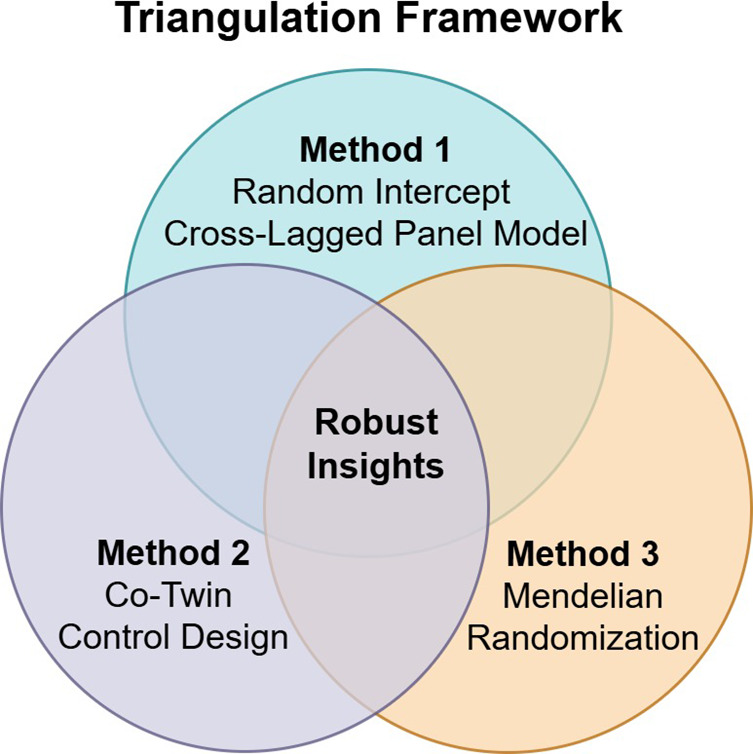
Background: Previous studies (various designs) present contradicting insights on the potential causal effects of diet/physical activity on depression/anxiety (and vice versa). To clarify this, we employed a triangulation framework including three methods with unique strengths/limitations/potential biases to examine possible bidirectional causal effects of diet/physical activity on depression/anxiety.
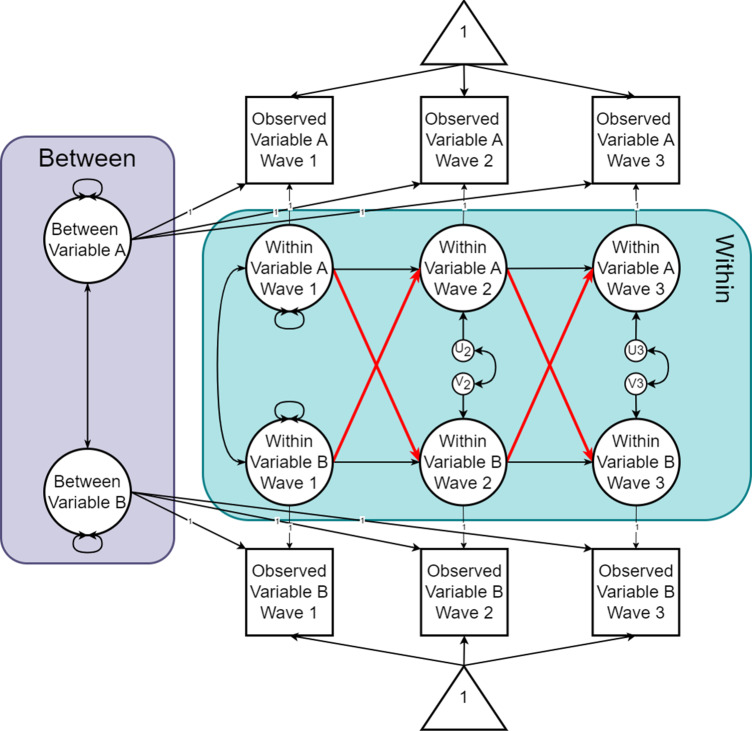
Methods: Study 1: 3-wave longitudinal study (n = 9,276 Dutch University students). Using random intercept cross-lagged panel models to study temporal associations. Study 2: cross-sectional study (n = 341 monozygotic and n = 415 dizygotic Australian adult twin pairs). Using a co-twin control design to separate genetic/environmental confounding. Study 3: Mendelian randomization utilizing data (European ancestry) from genome-wide association studies (n varied between 17,310 and 447,401). Using genetic variants as instrumental variables to study causal inference.
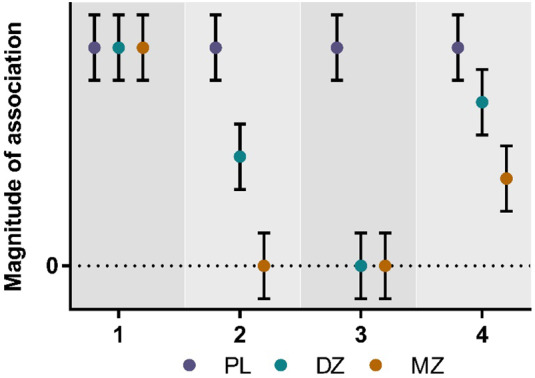
Results: Study 1 did not provide support for bidirectional causal effects between diet/physical activity and symptoms of depression/anxiety. Study 2 did provide support for causal effects between fruit/vegetable intake and symptoms of depression/anxiety, mixed support for causal effects between physical activity and symptoms of depression/anxiety, and no support for causal effects between sweet/savoury snack intake and symptoms of depression/anxiety. Study 3 provides support for a causal effect from increased fruit intake to the increased likelihood of anxiety. No support was found for other pathways. Adjusting the analyses including diet for physical activity (and vice versa) did not change the conclusions in any study.
Conclusions: Triangulating the evidence across the studies did not provide compelling support for causal effects of diet/physical activity on depression/anxiety or vice versa.
期刊介绍:
Now in its fifth decade of publication, Psychological Medicine is a leading international journal in the fields of psychiatry, related aspects of psychology and basic sciences. From 2014, there are 16 issues a year, each featuring original articles reporting key research being undertaken worldwide, together with shorter editorials by distinguished scholars and an important book review section. The journal''s success is clearly demonstrated by a consistently high impact factor.




 京公网安备 11010802042870号
京ICP备2023020795号-1
京公网安备 11010802042870号
京ICP备2023020795号-1

 分享
分享
 求助内容:
求助内容: 应助结果提醒方式:
 扫码关注我们
