Doudou Qin , Junyang Ding , Chu Liang , Qian Liu , Ligang Feng , Yang Luo , Guangzhi Hu , Jun Luo , Xijun Liu
{"title":"锰基正极材料在水锌离子电池中的应用","authors":"Doudou Qin , Junyang Ding , Chu Liang , Qian Liu , Ligang Feng , Yang Luo , Guangzhi Hu , Jun Luo , Xijun Liu","doi":"10.3866/PKU.WHXB202310034","DOIUrl":null,"url":null,"abstract":"<div><div>Non-renewable energy sources such as fossil fuels are increasingly depleted. In order to cope with the potential energy crisis, it is urgent to develop clean and efficient renewable energy sources. Advanced energy storage technology based on electrical energy holds critical significance to the sustainable and steady development of human society. Aqueous rechargeable batteries are a kind of promising electrochemical energy storage devices. Zinc-ion batteries (ZIBs) are gaining increasing popularity due to their safety, sustainability, cost-effectiveness and high energy density, positioning them as potential successors to current Lithium-ion batteries (LIBs) with a high degree of commercialization. The extraordinary mechanical flexibility and excellent electrochemical performance exhibited by ZIBs holds great significance in advancing the development of flexible and wearable batteries. Manganese-based oxides with large channel size possess the characteristics of high theoretical capacity, various oxidation states (including +2, +3, +4) and low cost, which are commonly employed as cathode materials for AZIBs. Nevertheless, the electrochemical performance of current manganese-based ZIBs is not satisfactory, facing the challenges of metal dissolution, material structure instability, notably a strong electrostatic interaction exhibited by divalent Zn<sup>2+</sup> ions in the host structure resulting in slow transmission kinetics. These challenges contribute to low cycle stability of the battery, impeding practical application and the progression of ZIBs. To solve these problems, diverse structural engineering strategies including defect engineering have been exploited, which can effectively improve the transport kinetics of zinc ions. From the perspective of enhancing the performance of the material itself, interlayer intercalation and other measures can be taken to better the microstructure or morphology of manganese-based materials. By improving the electrical conductivity of the material and enhancing ionic bonding, the structural stability and electrochemical performance of the material can be effectively improved. And from the angle of battery design, in order to improve the stability of the electrode-electrolyte interface, the electrolyte is optimized, or a fresh preparation method different from the conventional slurry coating process is adopted, which is also a promising method to design a new electrode without binder and the electrode components can still be evenly distributed. This review provides an overview of Zinc-ion storage mechanisms: the reversible Zn<sup>2+</sup> insertion/extraction; the reversible interposition and deintercalation of Zn<sup>2+</sup> and H<sup>+</sup>; the chemical conversion reactions, and the mechanism of dissolution-deposition reaction. Furthermore, the challenges faced by manganese-based cathode materials are clarified, and the optimization strategies to improve their electrochemical performance by increasing active sites, reducing solid-state diffusion energy barriers, inhibiting the dissolution of active substances, and improving material stability are highlighted. Finally, the practical application and potential of ZIBs assembled by manganese-based cathode materials in biomedical equipment and other electronic devices are also discussed.</div><div><span><figure><span><img><ol><li><span><span>Download: <span>Download high-res image (100KB)</span></span></span></li><li><span><span>Download: <span>Download full-size image</span></span></span></li></ol></span></figure></span></div></div>","PeriodicalId":6964,"journal":{"name":"物理化学学报","volume":"40 10","pages":"Article 2310034"},"PeriodicalIF":13.5000,"publicationDate":"2024-10-01","publicationTypes":"Journal Article","fieldsOfStudy":null,"isOpenAccess":false,"openAccessPdf":"","citationCount":"0","resultStr":"{\"title\":\"Addressing Challenges and Enhancing Performance of Manganese-based Cathode Materials in Aqueous Zinc-Ion Batteries\",\"authors\":\"Doudou Qin , Junyang Ding , Chu Liang , Qian Liu , Ligang Feng , Yang Luo , Guangzhi Hu , Jun Luo , Xijun Liu\",\"doi\":\"10.3866/PKU.WHXB202310034\",\"DOIUrl\":null,\"url\":null,\"abstract\":\"<div><div>Non-renewable energy sources such as fossil fuels are increasingly depleted. In order to cope with the potential energy crisis, it is urgent to develop clean and efficient renewable energy sources. Advanced energy storage technology based on electrical energy holds critical significance to the sustainable and steady development of human society. Aqueous rechargeable batteries are a kind of promising electrochemical energy storage devices. Zinc-ion batteries (ZIBs) are gaining increasing popularity due to their safety, sustainability, cost-effectiveness and high energy density, positioning them as potential successors to current Lithium-ion batteries (LIBs) with a high degree of commercialization. The extraordinary mechanical flexibility and excellent electrochemical performance exhibited by ZIBs holds great significance in advancing the development of flexible and wearable batteries. Manganese-based oxides with large channel size possess the characteristics of high theoretical capacity, various oxidation states (including +2, +3, +4) and low cost, which are commonly employed as cathode materials for AZIBs. Nevertheless, the electrochemical performance of current manganese-based ZIBs is not satisfactory, facing the challenges of metal dissolution, material structure instability, notably a strong electrostatic interaction exhibited by divalent Zn<sup>2+</sup> ions in the host structure resulting in slow transmission kinetics. These challenges contribute to low cycle stability of the battery, impeding practical application and the progression of ZIBs. To solve these problems, diverse structural engineering strategies including defect engineering have been exploited, which can effectively improve the transport kinetics of zinc ions. From the perspective of enhancing the performance of the material itself, interlayer intercalation and other measures can be taken to better the microstructure or morphology of manganese-based materials. By improving the electrical conductivity of the material and enhancing ionic bonding, the structural stability and electrochemical performance of the material can be effectively improved. And from the angle of battery design, in order to improve the stability of the electrode-electrolyte interface, the electrolyte is optimized, or a fresh preparation method different from the conventional slurry coating process is adopted, which is also a promising method to design a new electrode without binder and the electrode components can still be evenly distributed. This review provides an overview of Zinc-ion storage mechanisms: the reversible Zn<sup>2+</sup> insertion/extraction; the reversible interposition and deintercalation of Zn<sup>2+</sup> and H<sup>+</sup>; the chemical conversion reactions, and the mechanism of dissolution-deposition reaction. Furthermore, the challenges faced by manganese-based cathode materials are clarified, and the optimization strategies to improve their electrochemical performance by increasing active sites, reducing solid-state diffusion energy barriers, inhibiting the dissolution of active substances, and improving material stability are highlighted. Finally, the practical application and potential of ZIBs assembled by manganese-based cathode materials in biomedical equipment and other electronic devices are also discussed.</div><div><span><figure><span><img><ol><li><span><span>Download: <span>Download high-res image (100KB)</span></span></span></li><li><span><span>Download: <span>Download full-size image</span></span></span></li></ol></span></figure></span></div></div>\",\"PeriodicalId\":6964,\"journal\":{\"name\":\"物理化学学报\",\"volume\":\"40 10\",\"pages\":\"Article 2310034\"},\"PeriodicalIF\":13.5000,\"publicationDate\":\"2024-10-01\",\"publicationTypes\":\"Journal Article\",\"fieldsOfStudy\":null,\"isOpenAccess\":false,\"openAccessPdf\":\"\",\"citationCount\":\"0\",\"resultStr\":null,\"platform\":\"Semanticscholar\",\"paperid\":null,\"PeriodicalName\":\"物理化学学报\",\"FirstCategoryId\":\"92\",\"ListUrlMain\":\"https://www.sciencedirect.com/science/article/pii/S1000681824001504\",\"RegionNum\":2,\"RegionCategory\":\"化学\",\"ArticlePicture\":[],\"TitleCN\":null,\"AbstractTextCN\":null,\"PMCID\":null,\"EPubDate\":\"2024/1/2 0:00:00\",\"PubModel\":\"Epub\",\"JCR\":\"Q1\",\"JCRName\":\"CHEMISTRY, PHYSICAL\",\"Score\":null,\"Total\":0}","platform":"Semanticscholar","paperid":null,"PeriodicalName":"物理化学学报","FirstCategoryId":"92","ListUrlMain":"https://www.sciencedirect.com/science/article/pii/S1000681824001504","RegionNum":2,"RegionCategory":"化学","ArticlePicture":[],"TitleCN":null,"AbstractTextCN":null,"PMCID":null,"EPubDate":"2024/1/2 0:00:00","PubModel":"Epub","JCR":"Q1","JCRName":"CHEMISTRY, PHYSICAL","Score":null,"Total":0}
Addressing Challenges and Enhancing Performance of Manganese-based Cathode Materials in Aqueous Zinc-Ion Batteries
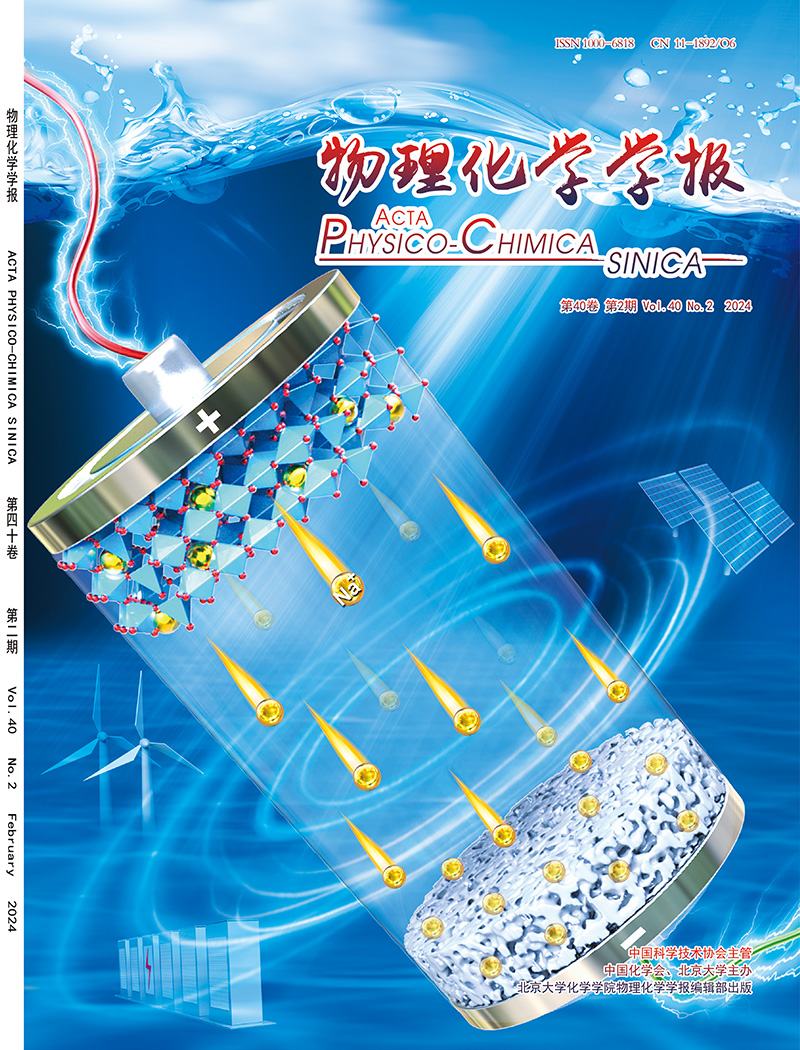
Non-renewable energy sources such as fossil fuels are increasingly depleted. In order to cope with the potential energy crisis, it is urgent to develop clean and efficient renewable energy sources. Advanced energy storage technology based on electrical energy holds critical significance to the sustainable and steady development of human society. Aqueous rechargeable batteries are a kind of promising electrochemical energy storage devices. Zinc-ion batteries (ZIBs) are gaining increasing popularity due to their safety, sustainability, cost-effectiveness and high energy density, positioning them as potential successors to current Lithium-ion batteries (LIBs) with a high degree of commercialization. The extraordinary mechanical flexibility and excellent electrochemical performance exhibited by ZIBs holds great significance in advancing the development of flexible and wearable batteries. Manganese-based oxides with large channel size possess the characteristics of high theoretical capacity, various oxidation states (including +2, +3, +4) and low cost, which are commonly employed as cathode materials for AZIBs. Nevertheless, the electrochemical performance of current manganese-based ZIBs is not satisfactory, facing the challenges of metal dissolution, material structure instability, notably a strong electrostatic interaction exhibited by divalent Zn2+ ions in the host structure resulting in slow transmission kinetics. These challenges contribute to low cycle stability of the battery, impeding practical application and the progression of ZIBs. To solve these problems, diverse structural engineering strategies including defect engineering have been exploited, which can effectively improve the transport kinetics of zinc ions. From the perspective of enhancing the performance of the material itself, interlayer intercalation and other measures can be taken to better the microstructure or morphology of manganese-based materials. By improving the electrical conductivity of the material and enhancing ionic bonding, the structural stability and electrochemical performance of the material can be effectively improved. And from the angle of battery design, in order to improve the stability of the electrode-electrolyte interface, the electrolyte is optimized, or a fresh preparation method different from the conventional slurry coating process is adopted, which is also a promising method to design a new electrode without binder and the electrode components can still be evenly distributed. This review provides an overview of Zinc-ion storage mechanisms: the reversible Zn2+ insertion/extraction; the reversible interposition and deintercalation of Zn2+ and H+; the chemical conversion reactions, and the mechanism of dissolution-deposition reaction. Furthermore, the challenges faced by manganese-based cathode materials are clarified, and the optimization strategies to improve their electrochemical performance by increasing active sites, reducing solid-state diffusion energy barriers, inhibiting the dissolution of active substances, and improving material stability are highlighted. Finally, the practical application and potential of ZIBs assembled by manganese-based cathode materials in biomedical equipment and other electronic devices are also discussed.




 京公网安备 11010802042870号
京ICP备2023020795号-1
京公网安备 11010802042870号
京ICP备2023020795号-1

 分享
分享
 求助内容:
求助内容: 应助结果提醒方式:
 扫码关注我们
