{"title":"结合WGCNA分析骨关节炎关键基因的鉴定与验证。","authors":"Chengzhuo Yang, Xinhua Chen, Jin Liu, Wenhao Wang, Lihua Sun, Youhong Xie, Qing Chang","doi":"10.2147/JIR.S504717","DOIUrl":null,"url":null,"abstract":"<p><strong>Introduction: </strong>The prevalence of osteoarthritis (OA), the most common chronic joint condition, is increasing due to the aging population and escalating obesity rates, leading to a significant impact on human health and well-being. Thus, analyzing the key targets of OA through bioinformatics can help discover new biomarkers to improve its diagnosis.</p><p><strong>Methods: </strong>The microarray and RNA-seq results were screened from the Gene Expression Omnibus (GEO) database. Functional enrichment analyses, protein-protein interaction (PPI) analysis, and weighted gene co-expression network analysis (WGCNA) of the DEGs were performed. RT-qPCR and WB were further performed to verify the hub gene expression in OA rat.</p><p><strong>Results: </strong>In this study, 35 key genes were identified through differential expression analysis and weighted gene co-expression network analysis (WGCNA) using the GSE169077 and GSE114007 datasets. Enrichment analysis revealed that these key genes were predominantly enriched in the HIF-1 signaling pathway, ECM-receptor interaction, and FoxO signaling pathway. Through the integration of protein-protein interaction (PPI) analysis, validation in animal models and ROC curve analysis, four pivotal genes (GADD45B, CLDN5, HILPDA and CDKN1B) were finally identified.</p><p><strong>Conclusion: </strong>In conclusion, these identified key genes could serve as novel targets for predicting and treating OA, offering fresh insights into its etiology and pathogenesis.</p>","PeriodicalId":16107,"journal":{"name":"Journal of Inflammation Research","volume":"18 ","pages":"1459-1470"},"PeriodicalIF":4.1000,"publicationDate":"2025-01-31","publicationTypes":"Journal Article","fieldsOfStudy":null,"isOpenAccess":false,"openAccessPdf":"https://www.ncbi.nlm.nih.gov/pmc/articles/PMC11792882/pdf/","citationCount":"0","resultStr":"{\"title\":\"Identification and Validation of Pivotal Genes in Osteoarthritis Combined with WGCNA Analysis.\",\"authors\":\"Chengzhuo Yang, Xinhua Chen, Jin Liu, Wenhao Wang, Lihua Sun, Youhong Xie, Qing Chang\",\"doi\":\"10.2147/JIR.S504717\",\"DOIUrl\":null,\"url\":null,\"abstract\":\"<p><strong>Introduction: </strong>The prevalence of osteoarthritis (OA), the most common chronic joint condition, is increasing due to the aging population and escalating obesity rates, leading to a significant impact on human health and well-being. Thus, analyzing the key targets of OA through bioinformatics can help discover new biomarkers to improve its diagnosis.</p><p><strong>Methods: </strong>The microarray and RNA-seq results were screened from the Gene Expression Omnibus (GEO) database. Functional enrichment analyses, protein-protein interaction (PPI) analysis, and weighted gene co-expression network analysis (WGCNA) of the DEGs were performed. RT-qPCR and WB were further performed to verify the hub gene expression in OA rat.</p><p><strong>Results: </strong>In this study, 35 key genes were identified through differential expression analysis and weighted gene co-expression network analysis (WGCNA) using the GSE169077 and GSE114007 datasets. Enrichment analysis revealed that these key genes were predominantly enriched in the HIF-1 signaling pathway, ECM-receptor interaction, and FoxO signaling pathway. Through the integration of protein-protein interaction (PPI) analysis, validation in animal models and ROC curve analysis, four pivotal genes (GADD45B, CLDN5, HILPDA and CDKN1B) were finally identified.</p><p><strong>Conclusion: </strong>In conclusion, these identified key genes could serve as novel targets for predicting and treating OA, offering fresh insights into its etiology and pathogenesis.</p>\",\"PeriodicalId\":16107,\"journal\":{\"name\":\"Journal of Inflammation Research\",\"volume\":\"18 \",\"pages\":\"1459-1470\"},\"PeriodicalIF\":4.1000,\"publicationDate\":\"2025-01-31\",\"publicationTypes\":\"Journal Article\",\"fieldsOfStudy\":null,\"isOpenAccess\":false,\"openAccessPdf\":\"https://www.ncbi.nlm.nih.gov/pmc/articles/PMC11792882/pdf/\",\"citationCount\":\"0\",\"resultStr\":null,\"platform\":\"Semanticscholar\",\"paperid\":null,\"PeriodicalName\":\"Journal of Inflammation Research\",\"FirstCategoryId\":\"3\",\"ListUrlMain\":\"https://doi.org/10.2147/JIR.S504717\",\"RegionNum\":2,\"RegionCategory\":\"医学\",\"ArticlePicture\":[],\"TitleCN\":null,\"AbstractTextCN\":null,\"PMCID\":null,\"EPubDate\":\"2025/1/1 0:00:00\",\"PubModel\":\"eCollection\",\"JCR\":\"Q2\",\"JCRName\":\"IMMUNOLOGY\",\"Score\":null,\"Total\":0}","platform":"Semanticscholar","paperid":null,"PeriodicalName":"Journal of Inflammation Research","FirstCategoryId":"3","ListUrlMain":"https://doi.org/10.2147/JIR.S504717","RegionNum":2,"RegionCategory":"医学","ArticlePicture":[],"TitleCN":null,"AbstractTextCN":null,"PMCID":null,"EPubDate":"2025/1/1 0:00:00","PubModel":"eCollection","JCR":"Q2","JCRName":"IMMUNOLOGY","Score":null,"Total":0}
引用次数: 0
摘要
引言:骨关节炎(OA)是最常见的慢性关节疾病,由于人口老龄化和肥胖率的上升,其患病率正在增加,对人类健康和福祉产生了重大影响。因此,通过生物信息学分析OA的关键靶点,有助于发现新的生物标志物,提高OA的诊断水平。方法:从Gene Expression Omnibus (GEO)数据库中筛选微阵列和RNA-seq结果。对deg进行功能富集分析、蛋白-蛋白相互作用(PPI)分析和加权基因共表达网络分析(WGCNA)。进一步采用RT-qPCR和WB方法验证OA大鼠中枢基因的表达。结果:本研究使用GSE169077和GSE114007数据集,通过差异表达分析和加权基因共表达网络分析(WGCNA)鉴定出35个关键基因。富集分析显示,这些关键基因主要富集于HIF-1信号通路、ecm受体相互作用通路和FoxO信号通路。通过整合蛋白-蛋白相互作用(PPI)分析、动物模型验证和ROC曲线分析,最终鉴定出GADD45B、CLDN5、HILPDA和CDKN1B四个关键基因。结论:这些鉴定的关键基因可作为预测和治疗OA的新靶点,为OA的病因和发病机制提供新的认识。
Identification and Validation of Pivotal Genes in Osteoarthritis Combined with WGCNA Analysis.
Introduction: The prevalence of osteoarthritis (OA), the most common chronic joint condition, is increasing due to the aging population and escalating obesity rates, leading to a significant impact on human health and well-being. Thus, analyzing the key targets of OA through bioinformatics can help discover new biomarkers to improve its diagnosis.
Methods: The microarray and RNA-seq results were screened from the Gene Expression Omnibus (GEO) database. Functional enrichment analyses, protein-protein interaction (PPI) analysis, and weighted gene co-expression network analysis (WGCNA) of the DEGs were performed. RT-qPCR and WB were further performed to verify the hub gene expression in OA rat.
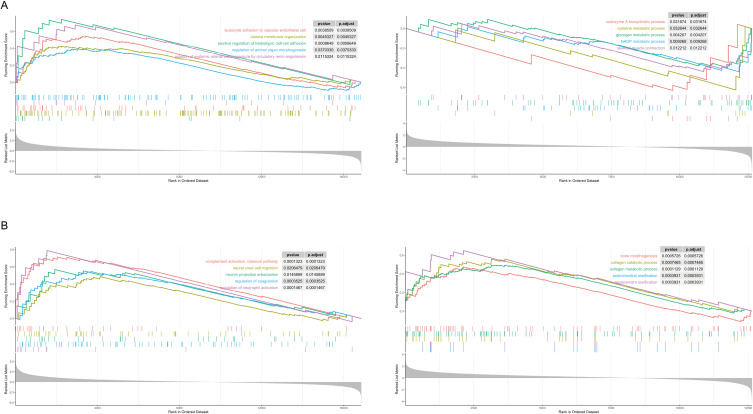
Results: In this study, 35 key genes were identified through differential expression analysis and weighted gene co-expression network analysis (WGCNA) using the GSE169077 and GSE114007 datasets. Enrichment analysis revealed that these key genes were predominantly enriched in the HIF-1 signaling pathway, ECM-receptor interaction, and FoxO signaling pathway. Through the integration of protein-protein interaction (PPI) analysis, validation in animal models and ROC curve analysis, four pivotal genes (GADD45B, CLDN5, HILPDA and CDKN1B) were finally identified.
Conclusion: In conclusion, these identified key genes could serve as novel targets for predicting and treating OA, offering fresh insights into its etiology and pathogenesis.
期刊介绍:
An international, peer-reviewed, open access, online journal that welcomes laboratory and clinical findings on the molecular basis, cell biology and pharmacology of inflammation.







 京公网安备 11010802042870号
京ICP备2023020795号-1
京公网安备 11010802042870号
京ICP备2023020795号-1

 分享
分享
 求助内容:
求助内容: 应助结果提醒方式:
 扫码关注我们
