{"title":"无机纳米颗粒和血脑屏障调节:推进靶向神经治疗","authors":"Zahra Sadat Razavi , Fateme Sadat Razavi , Seyed Sina Alizadeh","doi":"10.1016/j.ejmech.2025.117357","DOIUrl":null,"url":null,"abstract":"<div><div>The blood-brain barrier (BBB) is a protective barrier that complicates the treatment of neurological disorders. Pharmaceutical compounds encounter significant challenges in crossing the central nervous system (CNS). Nanoparticles (NPs) are promising candidates for treating neurological conditions as they help facilitate drug delivery. This review explores the diverse characteristics and mechanisms of inorganic NPs (INPs), including metal-based, ferric-oxide, and carbon-based nanoparticles, which facilitate their passage through the BBB. Emphasis is placed on the physicochemical properties of NPs such as size, shape, surface charge, and surface modifications and their role in enhancing drug delivery efficacy, reducing immune clearance, and improving BBB permeability. Specific synthesis approaches are demonstrated, with an emphasis on the influence of each one on NP property, biological activity and the capability of an NP for its intended application. As for the advances in the field, the review emphasizes those characterized the NP formulation and surface chemistry that conquered the BBB and tested the need for its alteration. Current findings indicate that NP therapy can in the future enable effective targeting of specific brain disorders and eventually evolve this drug delivery system, which would allow for lower doses with less side effects.</div></div>","PeriodicalId":314,"journal":{"name":"European Journal of Medicinal Chemistry","volume":"287 ","pages":"Article 117357"},"PeriodicalIF":5.9000,"publicationDate":"2025-04-05","publicationTypes":"Journal Article","fieldsOfStudy":null,"isOpenAccess":false,"openAccessPdf":"","citationCount":"0","resultStr":"{\"title\":\"Inorganic nanoparticles and blood-brain barrier modulation: Advancing targeted neurological therapies\",\"authors\":\"Zahra Sadat Razavi , Fateme Sadat Razavi , Seyed Sina Alizadeh\",\"doi\":\"10.1016/j.ejmech.2025.117357\",\"DOIUrl\":null,\"url\":null,\"abstract\":\"<div><div>The blood-brain barrier (BBB) is a protective barrier that complicates the treatment of neurological disorders. Pharmaceutical compounds encounter significant challenges in crossing the central nervous system (CNS). Nanoparticles (NPs) are promising candidates for treating neurological conditions as they help facilitate drug delivery. This review explores the diverse characteristics and mechanisms of inorganic NPs (INPs), including metal-based, ferric-oxide, and carbon-based nanoparticles, which facilitate their passage through the BBB. Emphasis is placed on the physicochemical properties of NPs such as size, shape, surface charge, and surface modifications and their role in enhancing drug delivery efficacy, reducing immune clearance, and improving BBB permeability. Specific synthesis approaches are demonstrated, with an emphasis on the influence of each one on NP property, biological activity and the capability of an NP for its intended application. As for the advances in the field, the review emphasizes those characterized the NP formulation and surface chemistry that conquered the BBB and tested the need for its alteration. Current findings indicate that NP therapy can in the future enable effective targeting of specific brain disorders and eventually evolve this drug delivery system, which would allow for lower doses with less side effects.</div></div>\",\"PeriodicalId\":314,\"journal\":{\"name\":\"European Journal of Medicinal Chemistry\",\"volume\":\"287 \",\"pages\":\"Article 117357\"},\"PeriodicalIF\":5.9000,\"publicationDate\":\"2025-04-05\",\"publicationTypes\":\"Journal Article\",\"fieldsOfStudy\":null,\"isOpenAccess\":false,\"openAccessPdf\":\"\",\"citationCount\":\"0\",\"resultStr\":null,\"platform\":\"Semanticscholar\",\"paperid\":null,\"PeriodicalName\":\"European Journal of Medicinal Chemistry\",\"FirstCategoryId\":\"3\",\"ListUrlMain\":\"https://www.sciencedirect.com/science/article/pii/S0223523425001229\",\"RegionNum\":2,\"RegionCategory\":\"医学\",\"ArticlePicture\":[],\"TitleCN\":null,\"AbstractTextCN\":null,\"PMCID\":null,\"EPubDate\":\"2025/2/5 0:00:00\",\"PubModel\":\"Epub\",\"JCR\":\"Q1\",\"JCRName\":\"CHEMISTRY, MEDICINAL\",\"Score\":null,\"Total\":0}","platform":"Semanticscholar","paperid":null,"PeriodicalName":"European Journal of Medicinal Chemistry","FirstCategoryId":"3","ListUrlMain":"https://www.sciencedirect.com/science/article/pii/S0223523425001229","RegionNum":2,"RegionCategory":"医学","ArticlePicture":[],"TitleCN":null,"AbstractTextCN":null,"PMCID":null,"EPubDate":"2025/2/5 0:00:00","PubModel":"Epub","JCR":"Q1","JCRName":"CHEMISTRY, MEDICINAL","Score":null,"Total":0}
Inorganic nanoparticles and blood-brain barrier modulation: Advancing targeted neurological therapies
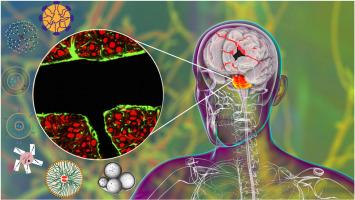
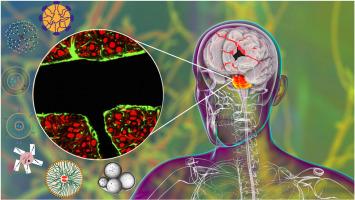
The blood-brain barrier (BBB) is a protective barrier that complicates the treatment of neurological disorders. Pharmaceutical compounds encounter significant challenges in crossing the central nervous system (CNS). Nanoparticles (NPs) are promising candidates for treating neurological conditions as they help facilitate drug delivery. This review explores the diverse characteristics and mechanisms of inorganic NPs (INPs), including metal-based, ferric-oxide, and carbon-based nanoparticles, which facilitate their passage through the BBB. Emphasis is placed on the physicochemical properties of NPs such as size, shape, surface charge, and surface modifications and their role in enhancing drug delivery efficacy, reducing immune clearance, and improving BBB permeability. Specific synthesis approaches are demonstrated, with an emphasis on the influence of each one on NP property, biological activity and the capability of an NP for its intended application. As for the advances in the field, the review emphasizes those characterized the NP formulation and surface chemistry that conquered the BBB and tested the need for its alteration. Current findings indicate that NP therapy can in the future enable effective targeting of specific brain disorders and eventually evolve this drug delivery system, which would allow for lower doses with less side effects.
期刊介绍:
The European Journal of Medicinal Chemistry is a global journal that publishes studies on all aspects of medicinal chemistry. It provides a medium for publication of original papers and also welcomes critical review papers.
A typical paper would report on the organic synthesis, characterization and pharmacological evaluation of compounds. Other topics of interest are drug design, QSAR, molecular modeling, drug-receptor interactions, molecular aspects of drug metabolism, prodrug synthesis and drug targeting. The journal expects manuscripts to present the rational for a study, provide insight into the design of compounds or understanding of mechanism, or clarify the targets.




 京公网安备 11010802042870号
京ICP备2023020795号-1
京公网安备 11010802042870号
京ICP备2023020795号-1

 分享
分享
 求助内容:
求助内容: 应助结果提醒方式:
 扫码关注我们
