Chang Ju Hwang, Sam Yeol Chang, Kun-Bo Park, Dong-Ho Lee, Jae Hwan Cho, Hiroko Matsumoto, Sehan Park
{"title":"韩国版24项早发性脊柱侧凸问卷的验证:来自韩国脊柱畸形研究会的多中心研究。","authors":"Chang Ju Hwang, Sam Yeol Chang, Kun-Bo Park, Dong-Ho Lee, Jae Hwan Cho, Hiroko Matsumoto, Sehan Park","doi":"10.4055/cios24210","DOIUrl":null,"url":null,"abstract":"<p><strong>Background: </strong>A 24-item early-onset scoliosis questionnaire (EOSQ-24) has been developed as a valid tool for assessing the physical and emotional function of patients with early-onset scoliosis (EOS). Previous studies that conducted transcultural adaptation of the original EOSQ-24 into other languages have demonstrated the high reliability of the questionnaire. However, a Korean version of the EOSQ-24 is not available, limiting optimal patient assessment in this nation. Therefore, this study was conducted to develop and validate a Korean version of EOSQ-24.</p><p><strong>Methods: </strong>The original English version of the EOSQ-24 was cross-culturally adapted following standard guidelines. The final version of the Korean EOSQ-24 was prospectively applied to a group of patients who were native Korean speakers. Internal consistency was evaluated using the Cronbach α coefficient and item-total correlations. The mean, standard deviation, floor effect, and ceiling effect of each item were also assessed.</p><p><strong>Results: </strong>A total of 102 caregivers of patients with EOS (45 males and 57 females) completed the Korean EOSQ-24. The patients' average age was 6.39 ± 2.16 years. The Cronbach α coefficient for the 24-item scale was 0.942, indicating excellent reliability. The corrected item-total correlation coefficients ranged between 0.449 and 0.788. The mean value of the EOSQ-24 questionnaire was 3.19. Floor and ceiling effects for all questionnaires were below 30%, which could be considered acceptable.</p><p><strong>Conclusions: </strong>Our study successfully developed and validated the Korean version of the EOSQ-24, providing a reliable instrument for assessing the physical and emotional well-being of patients with EOS and their caregivers in the Korean context. The widespread adoption of the Korean EOSQ-24 in clinical practice and research settings can enhance the quality of care and improve outcomes for individuals affected by EOS in Korea.</p>","PeriodicalId":47648,"journal":{"name":"Clinics in Orthopedic Surgery","volume":"17 1","pages":"123-129"},"PeriodicalIF":2.5000,"publicationDate":"2025-02-01","publicationTypes":"Journal Article","fieldsOfStudy":null,"isOpenAccess":false,"openAccessPdf":"https://www.ncbi.nlm.nih.gov/pmc/articles/PMC11791488/pdf/","citationCount":"0","resultStr":"{\"title\":\"Validation of the Korean Version of the 24-Item Early-Onset Scoliosis Questionnaire: A Multicenter Study from the Korean Research Society of Spinal Deformity.\",\"authors\":\"Chang Ju Hwang, Sam Yeol Chang, Kun-Bo Park, Dong-Ho Lee, Jae Hwan Cho, Hiroko Matsumoto, Sehan Park\",\"doi\":\"10.4055/cios24210\",\"DOIUrl\":null,\"url\":null,\"abstract\":\"<p><strong>Background: </strong>A 24-item early-onset scoliosis questionnaire (EOSQ-24) has been developed as a valid tool for assessing the physical and emotional function of patients with early-onset scoliosis (EOS). Previous studies that conducted transcultural adaptation of the original EOSQ-24 into other languages have demonstrated the high reliability of the questionnaire. However, a Korean version of the EOSQ-24 is not available, limiting optimal patient assessment in this nation. Therefore, this study was conducted to develop and validate a Korean version of EOSQ-24.</p><p><strong>Methods: </strong>The original English version of the EOSQ-24 was cross-culturally adapted following standard guidelines. The final version of the Korean EOSQ-24 was prospectively applied to a group of patients who were native Korean speakers. Internal consistency was evaluated using the Cronbach α coefficient and item-total correlations. The mean, standard deviation, floor effect, and ceiling effect of each item were also assessed.</p><p><strong>Results: </strong>A total of 102 caregivers of patients with EOS (45 males and 57 females) completed the Korean EOSQ-24. The patients' average age was 6.39 ± 2.16 years. The Cronbach α coefficient for the 24-item scale was 0.942, indicating excellent reliability. The corrected item-total correlation coefficients ranged between 0.449 and 0.788. The mean value of the EOSQ-24 questionnaire was 3.19. Floor and ceiling effects for all questionnaires were below 30%, which could be considered acceptable.</p><p><strong>Conclusions: </strong>Our study successfully developed and validated the Korean version of the EOSQ-24, providing a reliable instrument for assessing the physical and emotional well-being of patients with EOS and their caregivers in the Korean context. The widespread adoption of the Korean EOSQ-24 in clinical practice and research settings can enhance the quality of care and improve outcomes for individuals affected by EOS in Korea.</p>\",\"PeriodicalId\":47648,\"journal\":{\"name\":\"Clinics in Orthopedic Surgery\",\"volume\":\"17 1\",\"pages\":\"123-129\"},\"PeriodicalIF\":2.5000,\"publicationDate\":\"2025-02-01\",\"publicationTypes\":\"Journal Article\",\"fieldsOfStudy\":null,\"isOpenAccess\":false,\"openAccessPdf\":\"https://www.ncbi.nlm.nih.gov/pmc/articles/PMC11791488/pdf/\",\"citationCount\":\"0\",\"resultStr\":null,\"platform\":\"Semanticscholar\",\"paperid\":null,\"PeriodicalName\":\"Clinics in Orthopedic Surgery\",\"FirstCategoryId\":\"3\",\"ListUrlMain\":\"https://doi.org/10.4055/cios24210\",\"RegionNum\":2,\"RegionCategory\":\"医学\",\"ArticlePicture\":[],\"TitleCN\":null,\"AbstractTextCN\":null,\"PMCID\":null,\"EPubDate\":\"2025/1/14 0:00:00\",\"PubModel\":\"Epub\",\"JCR\":\"Q2\",\"JCRName\":\"ORTHOPEDICS\",\"Score\":null,\"Total\":0}","platform":"Semanticscholar","paperid":null,"PeriodicalName":"Clinics in Orthopedic Surgery","FirstCategoryId":"3","ListUrlMain":"https://doi.org/10.4055/cios24210","RegionNum":2,"RegionCategory":"医学","ArticlePicture":[],"TitleCN":null,"AbstractTextCN":null,"PMCID":null,"EPubDate":"2025/1/14 0:00:00","PubModel":"Epub","JCR":"Q2","JCRName":"ORTHOPEDICS","Score":null,"Total":0}
Validation of the Korean Version of the 24-Item Early-Onset Scoliosis Questionnaire: A Multicenter Study from the Korean Research Society of Spinal Deformity.
Background: A 24-item early-onset scoliosis questionnaire (EOSQ-24) has been developed as a valid tool for assessing the physical and emotional function of patients with early-onset scoliosis (EOS). Previous studies that conducted transcultural adaptation of the original EOSQ-24 into other languages have demonstrated the high reliability of the questionnaire. However, a Korean version of the EOSQ-24 is not available, limiting optimal patient assessment in this nation. Therefore, this study was conducted to develop and validate a Korean version of EOSQ-24.
Methods: The original English version of the EOSQ-24 was cross-culturally adapted following standard guidelines. The final version of the Korean EOSQ-24 was prospectively applied to a group of patients who were native Korean speakers. Internal consistency was evaluated using the Cronbach α coefficient and item-total correlations. The mean, standard deviation, floor effect, and ceiling effect of each item were also assessed.
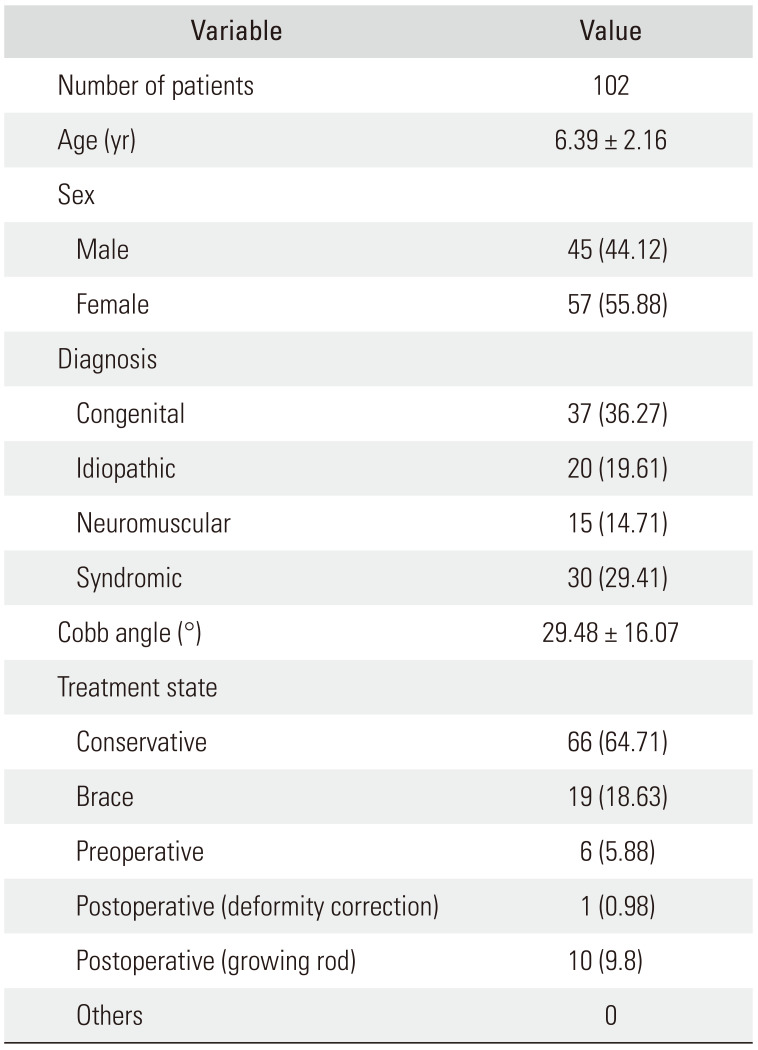
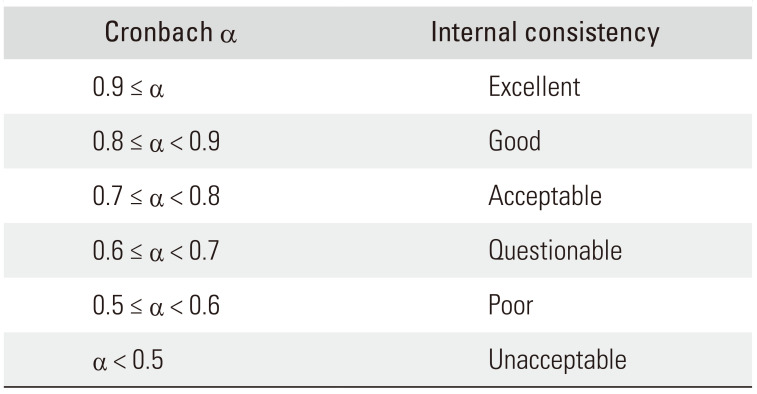
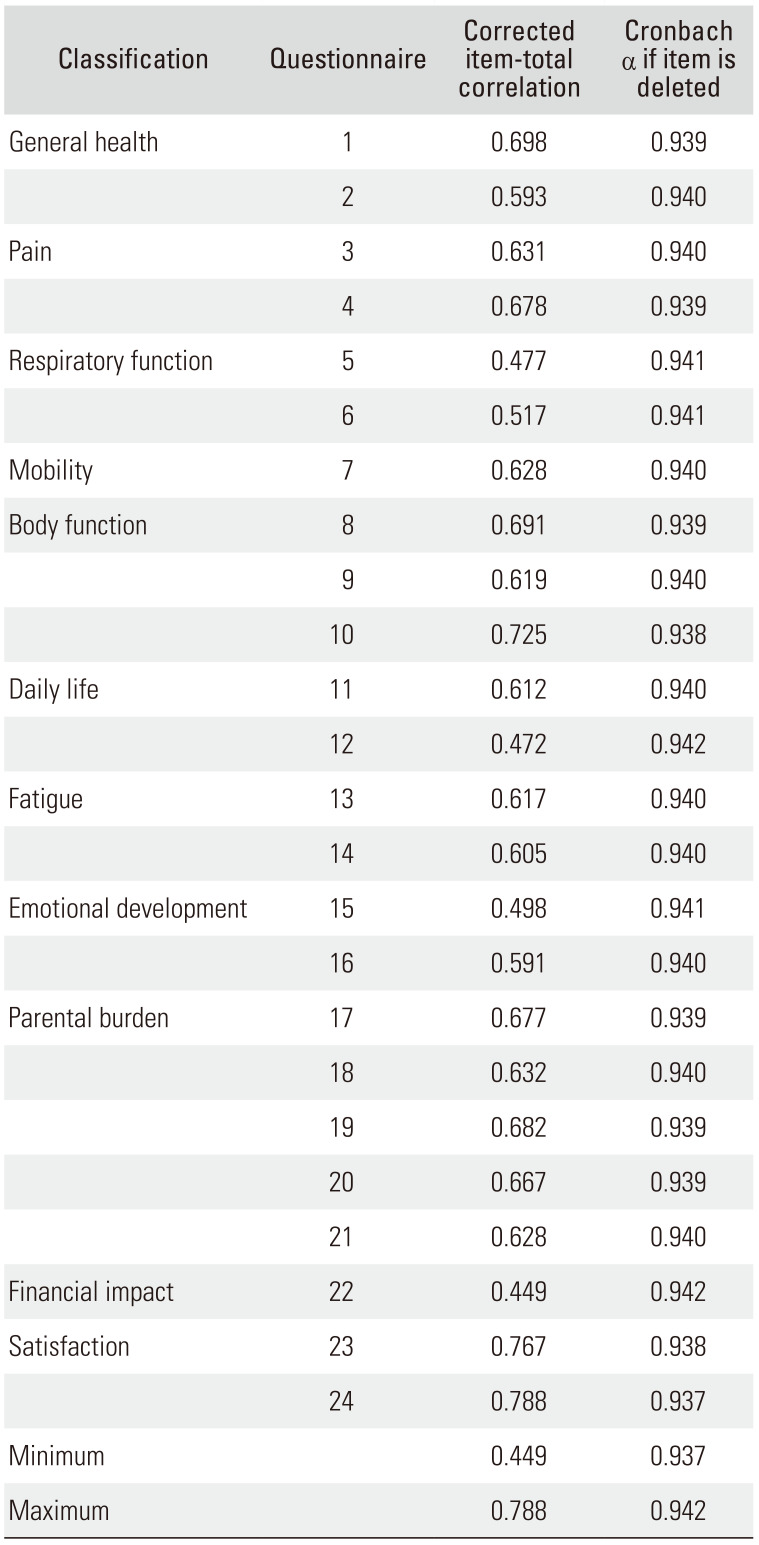
Results: A total of 102 caregivers of patients with EOS (45 males and 57 females) completed the Korean EOSQ-24. The patients' average age was 6.39 ± 2.16 years. The Cronbach α coefficient for the 24-item scale was 0.942, indicating excellent reliability. The corrected item-total correlation coefficients ranged between 0.449 and 0.788. The mean value of the EOSQ-24 questionnaire was 3.19. Floor and ceiling effects for all questionnaires were below 30%, which could be considered acceptable.
Conclusions: Our study successfully developed and validated the Korean version of the EOSQ-24, providing a reliable instrument for assessing the physical and emotional well-being of patients with EOS and their caregivers in the Korean context. The widespread adoption of the Korean EOSQ-24 in clinical practice and research settings can enhance the quality of care and improve outcomes for individuals affected by EOS in Korea.





 京公网安备 11010802042870号
京ICP备2023020795号-1
京公网安备 11010802042870号
京ICP备2023020795号-1

 分享
分享
 求助内容:
求助内容: 应助结果提醒方式:
 扫码关注我们
