{"title":"尼日利亚西南部一个州分娩时孕产妇和脐带乙型肝炎表面抗原血症的血清流行率和危险因素","authors":"Babatunde Olaniyi Roiji, Adepeju Dorca Roiji, Olumide Ebeezer Adewara, Musah Yusuf, Olajide Alfred Durojaye, Omotayo Oladele Adeniyi, Micheal Olumide Gbala, Babatola Bakare, Babatunde Ajayi Olofinbiyi","doi":"10.11604/pamj.2024.49.55.45111","DOIUrl":null,"url":null,"abstract":"<p><strong>Introduction: </strong>hepatitis B is a global public health issue affecting about 2 billion people, with 350 million chronic carriers. There is growing pressure to test pregnant women for hepatitis B in Nigeria, as studies show high rates of the virus in both mothers and children. Objectives: this cross-sectional study aimed at determining the sero-prevalence of hepatitis B surface antigen among pregnant women and their newborns and identifying risk factors associated with hepatitis B surface antigen positivity among pregnant women receiving care in tertiary hospitals in Ekiti State, Southwest Nigeria.</p><p><strong>Methods: </strong>two hundred women were recruited into the study from Federal Teaching Hospital, Ido-Ekiti, and Ekiti State University Teaching Hospital, Ado-Ekiti between 1<sup>st</sup> May 2022 and 31<sup>st</sup> October 2022. The presence of risk factors for hepatitis B infection was sought in the mothers. Maternal venous blood and umbilical cord blood were analyzed for the presence of hepatitis B surface antigen. Data analysis was carried out using a statistical program for social sciences (SPSS) version 28 (SPSS Inc., Chicago, Illinois, USA).</p><p><strong>Results: </strong>the mean age of the women was 30.43 years (SD 4.524). Thirty-three (16.5%) of the women studied were into hospital-related professions while 6 (3%) were hairdressers. Sixteen (16) of the 200 women tested positive for HBsAg giving a maternal sero-prevalence of 8% while only 1 of the 200 babies tested positive for HBsAg with a neonatal sero-prevalence of 0.5%. The vertical transmission was 6.25%.</p><p><strong>Conclusion: </strong>high endemicity of hepatitis B virus infection in pregnancy was demonstrated in the study. It has, therefore, become imperative to strengthen the structure of the various preventive arms of hepatitis B infection in pregnancy such as advocacy on increased community awareness and handling of risk factors, widespread vaccination campaigns, and routine testing during prenatal care.</p>","PeriodicalId":48190,"journal":{"name":"Pan African Medical Journal","volume":"49 ","pages":"55"},"PeriodicalIF":1.0000,"publicationDate":"2024-10-25","publicationTypes":"Journal Article","fieldsOfStudy":null,"isOpenAccess":false,"openAccessPdf":"https://www.ncbi.nlm.nih.gov/pmc/articles/PMC11795117/pdf/","citationCount":"0","resultStr":"{\"title\":\"Sero-prevalence and risk factors for maternal and umbilical cord hepatitis B surface antigenaemia at delivery in a South-West Nigerian State.\",\"authors\":\"Babatunde Olaniyi Roiji, Adepeju Dorca Roiji, Olumide Ebeezer Adewara, Musah Yusuf, Olajide Alfred Durojaye, Omotayo Oladele Adeniyi, Micheal Olumide Gbala, Babatola Bakare, Babatunde Ajayi Olofinbiyi\",\"doi\":\"10.11604/pamj.2024.49.55.45111\",\"DOIUrl\":null,\"url\":null,\"abstract\":\"<p><strong>Introduction: </strong>hepatitis B is a global public health issue affecting about 2 billion people, with 350 million chronic carriers. There is growing pressure to test pregnant women for hepatitis B in Nigeria, as studies show high rates of the virus in both mothers and children. Objectives: this cross-sectional study aimed at determining the sero-prevalence of hepatitis B surface antigen among pregnant women and their newborns and identifying risk factors associated with hepatitis B surface antigen positivity among pregnant women receiving care in tertiary hospitals in Ekiti State, Southwest Nigeria.</p><p><strong>Methods: </strong>two hundred women were recruited into the study from Federal Teaching Hospital, Ido-Ekiti, and Ekiti State University Teaching Hospital, Ado-Ekiti between 1<sup>st</sup> May 2022 and 31<sup>st</sup> October 2022. The presence of risk factors for hepatitis B infection was sought in the mothers. Maternal venous blood and umbilical cord blood were analyzed for the presence of hepatitis B surface antigen. Data analysis was carried out using a statistical program for social sciences (SPSS) version 28 (SPSS Inc., Chicago, Illinois, USA).</p><p><strong>Results: </strong>the mean age of the women was 30.43 years (SD 4.524). Thirty-three (16.5%) of the women studied were into hospital-related professions while 6 (3%) were hairdressers. Sixteen (16) of the 200 women tested positive for HBsAg giving a maternal sero-prevalence of 8% while only 1 of the 200 babies tested positive for HBsAg with a neonatal sero-prevalence of 0.5%. The vertical transmission was 6.25%.</p><p><strong>Conclusion: </strong>high endemicity of hepatitis B virus infection in pregnancy was demonstrated in the study. It has, therefore, become imperative to strengthen the structure of the various preventive arms of hepatitis B infection in pregnancy such as advocacy on increased community awareness and handling of risk factors, widespread vaccination campaigns, and routine testing during prenatal care.</p>\",\"PeriodicalId\":48190,\"journal\":{\"name\":\"Pan African Medical Journal\",\"volume\":\"49 \",\"pages\":\"55\"},\"PeriodicalIF\":1.0000,\"publicationDate\":\"2024-10-25\",\"publicationTypes\":\"Journal Article\",\"fieldsOfStudy\":null,\"isOpenAccess\":false,\"openAccessPdf\":\"https://www.ncbi.nlm.nih.gov/pmc/articles/PMC11795117/pdf/\",\"citationCount\":\"0\",\"resultStr\":null,\"platform\":\"Semanticscholar\",\"paperid\":null,\"PeriodicalName\":\"Pan African Medical Journal\",\"FirstCategoryId\":\"1085\",\"ListUrlMain\":\"https://doi.org/10.11604/pamj.2024.49.55.45111\",\"RegionNum\":0,\"RegionCategory\":null,\"ArticlePicture\":[],\"TitleCN\":null,\"AbstractTextCN\":null,\"PMCID\":null,\"EPubDate\":\"2024/1/1 0:00:00\",\"PubModel\":\"eCollection\",\"JCR\":\"Q4\",\"JCRName\":\"PUBLIC, ENVIRONMENTAL & OCCUPATIONAL HEALTH\",\"Score\":null,\"Total\":0}","platform":"Semanticscholar","paperid":null,"PeriodicalName":"Pan African Medical Journal","FirstCategoryId":"1085","ListUrlMain":"https://doi.org/10.11604/pamj.2024.49.55.45111","RegionNum":0,"RegionCategory":null,"ArticlePicture":[],"TitleCN":null,"AbstractTextCN":null,"PMCID":null,"EPubDate":"2024/1/1 0:00:00","PubModel":"eCollection","JCR":"Q4","JCRName":"PUBLIC, ENVIRONMENTAL & OCCUPATIONAL HEALTH","Score":null,"Total":0}
Sero-prevalence and risk factors for maternal and umbilical cord hepatitis B surface antigenaemia at delivery in a South-West Nigerian State.
Introduction: hepatitis B is a global public health issue affecting about 2 billion people, with 350 million chronic carriers. There is growing pressure to test pregnant women for hepatitis B in Nigeria, as studies show high rates of the virus in both mothers and children. Objectives: this cross-sectional study aimed at determining the sero-prevalence of hepatitis B surface antigen among pregnant women and their newborns and identifying risk factors associated with hepatitis B surface antigen positivity among pregnant women receiving care in tertiary hospitals in Ekiti State, Southwest Nigeria.
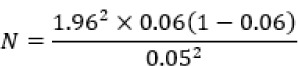
Methods: two hundred women were recruited into the study from Federal Teaching Hospital, Ido-Ekiti, and Ekiti State University Teaching Hospital, Ado-Ekiti between 1st May 2022 and 31st October 2022. The presence of risk factors for hepatitis B infection was sought in the mothers. Maternal venous blood and umbilical cord blood were analyzed for the presence of hepatitis B surface antigen. Data analysis was carried out using a statistical program for social sciences (SPSS) version 28 (SPSS Inc., Chicago, Illinois, USA).
Results: the mean age of the women was 30.43 years (SD 4.524). Thirty-three (16.5%) of the women studied were into hospital-related professions while 6 (3%) were hairdressers. Sixteen (16) of the 200 women tested positive for HBsAg giving a maternal sero-prevalence of 8% while only 1 of the 200 babies tested positive for HBsAg with a neonatal sero-prevalence of 0.5%. The vertical transmission was 6.25%.
Conclusion: high endemicity of hepatitis B virus infection in pregnancy was demonstrated in the study. It has, therefore, become imperative to strengthen the structure of the various preventive arms of hepatitis B infection in pregnancy such as advocacy on increased community awareness and handling of risk factors, widespread vaccination campaigns, and routine testing during prenatal care.






 京公网安备 11010802042870号
京ICP备2023020795号-1
京公网安备 11010802042870号
京ICP备2023020795号-1

 分享
分享
 求助内容:
求助内容: 应助结果提醒方式:
 扫码关注我们
