Débora A Alves, João Trêpa, José Sousa-Baptista, João Pereira-Vaz, Rui Tomé
{"title":"播散性组织胞浆菌病在非流行国家作为HIV-1晚期感染的表现。","authors":"Débora A Alves, João Trêpa, José Sousa-Baptista, João Pereira-Vaz, Rui Tomé","doi":"10.7759/cureus.78581","DOIUrl":null,"url":null,"abstract":"<p><p>Disseminated histoplasmosis is an opportunistic fungal infection considered an AIDS-defining illness, sometimes with a fatal outcome. We report a case of disseminated histoplasmosis as the initial presentation of advanced HIV-1 infection in a migrant living in a non-endemic area. Histoplasmosis was suspected based on the clinical presentation, epidemiological factors, and observation in the peripheral blood smear of neutrophils and monocytes with yeast-like forms. The diagnosis was confirmed through a positive peripheral blood smear and subsequent culture of <i>Histoplasma capsulatum</i> from a bronchoalveolar lavage sample. The patient was treated with 14 days of liposomal amphotericin B plus oral itraconazole for two years, with a good response. Direct examination of peripheral blood has been considered a valuable diagnostic method, specifically in severely immunocompromised patients, as our case report. The presented case highlights the importance of considering disseminated histoplasmosis in the differential diagnosis of HIV-infected patients, even in non-endemic regions. Hence, the need for a high index of suspicion to ensure early diagnosis and treatment is crucial as the influx of migrants increases globally.</p>","PeriodicalId":93960,"journal":{"name":"Cureus","volume":"17 2","pages":"e78581"},"PeriodicalIF":1.3000,"publicationDate":"2025-02-05","publicationTypes":"Journal Article","fieldsOfStudy":null,"isOpenAccess":false,"openAccessPdf":"https://www.ncbi.nlm.nih.gov/pmc/articles/PMC11798677/pdf/","citationCount":"0","resultStr":"{\"title\":\"Disseminated Histoplasmosis as a Presentation of Advanced HIV-1 Infection in a Non-endemic Country.\",\"authors\":\"Débora A Alves, João Trêpa, José Sousa-Baptista, João Pereira-Vaz, Rui Tomé\",\"doi\":\"10.7759/cureus.78581\",\"DOIUrl\":null,\"url\":null,\"abstract\":\"<p><p>Disseminated histoplasmosis is an opportunistic fungal infection considered an AIDS-defining illness, sometimes with a fatal outcome. We report a case of disseminated histoplasmosis as the initial presentation of advanced HIV-1 infection in a migrant living in a non-endemic area. Histoplasmosis was suspected based on the clinical presentation, epidemiological factors, and observation in the peripheral blood smear of neutrophils and monocytes with yeast-like forms. The diagnosis was confirmed through a positive peripheral blood smear and subsequent culture of <i>Histoplasma capsulatum</i> from a bronchoalveolar lavage sample. The patient was treated with 14 days of liposomal amphotericin B plus oral itraconazole for two years, with a good response. Direct examination of peripheral blood has been considered a valuable diagnostic method, specifically in severely immunocompromised patients, as our case report. The presented case highlights the importance of considering disseminated histoplasmosis in the differential diagnosis of HIV-infected patients, even in non-endemic regions. Hence, the need for a high index of suspicion to ensure early diagnosis and treatment is crucial as the influx of migrants increases globally.</p>\",\"PeriodicalId\":93960,\"journal\":{\"name\":\"Cureus\",\"volume\":\"17 2\",\"pages\":\"e78581\"},\"PeriodicalIF\":1.3000,\"publicationDate\":\"2025-02-05\",\"publicationTypes\":\"Journal Article\",\"fieldsOfStudy\":null,\"isOpenAccess\":false,\"openAccessPdf\":\"https://www.ncbi.nlm.nih.gov/pmc/articles/PMC11798677/pdf/\",\"citationCount\":\"0\",\"resultStr\":null,\"platform\":\"Semanticscholar\",\"paperid\":null,\"PeriodicalName\":\"Cureus\",\"FirstCategoryId\":\"1085\",\"ListUrlMain\":\"https://doi.org/10.7759/cureus.78581\",\"RegionNum\":0,\"RegionCategory\":null,\"ArticlePicture\":[],\"TitleCN\":null,\"AbstractTextCN\":null,\"PMCID\":null,\"EPubDate\":\"2025/2/1 0:00:00\",\"PubModel\":\"eCollection\",\"JCR\":\"Q3\",\"JCRName\":\"MEDICINE, GENERAL & INTERNAL\",\"Score\":null,\"Total\":0}","platform":"Semanticscholar","paperid":null,"PeriodicalName":"Cureus","FirstCategoryId":"1085","ListUrlMain":"https://doi.org/10.7759/cureus.78581","RegionNum":0,"RegionCategory":null,"ArticlePicture":[],"TitleCN":null,"AbstractTextCN":null,"PMCID":null,"EPubDate":"2025/2/1 0:00:00","PubModel":"eCollection","JCR":"Q3","JCRName":"MEDICINE, GENERAL & INTERNAL","Score":null,"Total":0}
Disseminated Histoplasmosis as a Presentation of Advanced HIV-1 Infection in a Non-endemic Country.
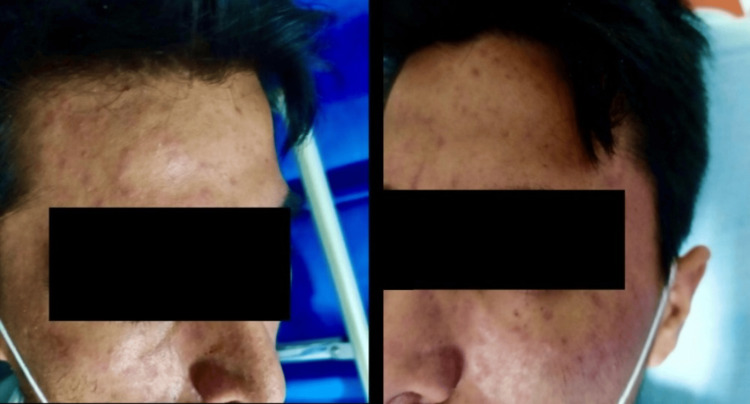
Disseminated histoplasmosis is an opportunistic fungal infection considered an AIDS-defining illness, sometimes with a fatal outcome. We report a case of disseminated histoplasmosis as the initial presentation of advanced HIV-1 infection in a migrant living in a non-endemic area. Histoplasmosis was suspected based on the clinical presentation, epidemiological factors, and observation in the peripheral blood smear of neutrophils and monocytes with yeast-like forms. The diagnosis was confirmed through a positive peripheral blood smear and subsequent culture of Histoplasma capsulatum from a bronchoalveolar lavage sample. The patient was treated with 14 days of liposomal amphotericin B plus oral itraconazole for two years, with a good response. Direct examination of peripheral blood has been considered a valuable diagnostic method, specifically in severely immunocompromised patients, as our case report. The presented case highlights the importance of considering disseminated histoplasmosis in the differential diagnosis of HIV-infected patients, even in non-endemic regions. Hence, the need for a high index of suspicion to ensure early diagnosis and treatment is crucial as the influx of migrants increases globally.






 京公网安备 11010802042870号
京ICP备2023020795号-1
京公网安备 11010802042870号
京ICP备2023020795号-1

 分享
分享

 求助内容:
求助内容: 应助结果提醒方式:
 扫码关注我们
