Mohamed Shawky, Cherry Choudhary, Sarah L Coleridge, Andrew Bryant, Jo Morrison
{"title":"晚期上皮性卵巢癌术前新辅助化疗与手术后化疗的初始治疗。","authors":"Mohamed Shawky, Cherry Choudhary, Sarah L Coleridge, Andrew Bryant, Jo Morrison","doi":"10.1002/14651858.CD005343.pub7","DOIUrl":null,"url":null,"abstract":"<p><strong>Rationale: </strong>Epithelial ovarian cancer (EOC) presents at an advanced stage in the majority of women. These women require a combination of surgery and chemotherapy for optimal treatment. Conventional treatment has been to perform surgery first and then give chemotherapy. However, there may be advantages to using chemotherapy before surgery.</p><p><strong>Objectives: </strong>To assess the advantages and disadvantages of treating women with advanced EOC with chemotherapy before cytoreductive surgery (neoadjuvant chemotherapy (NACT)) compared with conventional treatment where chemotherapy follows cytoreductive surgery (primary cytoreductive surgery (PCRS)).</p><p><strong>Search methods: </strong>We searched the Cochrane Central Register of Controlled Trials (CENTRAL), MEDLINE, Embase, ClinicalTrials.gov, and the World Health Organization International Clinical Trials Registry Platform on 21 March 2024. We also checked the reference lists of relevant papers for further studies. We contacted the principal investigators of relevant trials for further information.</p><p><strong>Eligibility criteria: </strong>Randomised controlled trials (RCTs) of women with advanced epithelial ovarian cancer (International Federation of Gynecology and Obstetrics (FIGO) stage III/IV) who were randomly allocated to treatment groups that compared platinum-based chemotherapy before cytoreductive surgery with platinum-based chemotherapy following cytoreductive surgery.</p><p><strong>Outcomes: </strong>We extracted data on overall (OS) and progression-free survival (PFS), adverse events, surgically related mortality and morbidity, and quality of life outcomes.</p><p><strong>Risk of bias: </strong>We used the Cochrane RoB 1 tool to assess risk of bias in RCTs.</p><p><strong>Synthesis methods: </strong>We conducted meta-analyses using random-effects models (due to heterogeneity between studies) to calculate hazard ratios (HR), risk ratios (RR), mean differences (MD), and 95% confidence intervals (CI) for all outcomes. We assessed the certainty of evidence according to the GRADE approach.</p><p><strong>Included studies: </strong>We identified a further 1022 titles and abstracts through our searches in this update (958 unique records after further de-duplication), adding to the 2227 titles and abstracts identified in previous versions of this review. A total of five RCTs of varying quality and size met the inclusion criteria. We identified no new completed studies in this update, but we did include additional data from existing studies. The studies assessed a total of 1774 women with stage III/IV ovarian cancer randomised to NACT followed by interval cytoreductive surgery (ICRS) or PCRS followed by chemotherapy. We included data from four studies in the meta-analyses (1692 participants).</p><p><strong>Synthesis of results: </strong>Survival We found little or no difference between groups in OS (HR 0.96, 95% CI 0.86 to 1.08; P = 0.49; I<sup>2</sup> = 0%; 4 studies; 1692 women; high-certainty evidence) and likely little or no difference between groups in PFS (HR 0.98, 95% CI 0.88 to 1.08; P = 0.62; I<sup>2</sup> = 0%; 4 studies; 1692 women; moderate-certainty evidence). Adverse events Adverse events, surgical morbidity, and quality of life outcomes were variably and incompletely reported across studies. NACT reduces postoperative mortality (0.4% in the NACT group versus 3.3% in the PCRS group) (RR 0.18, 95% CI 0.06 to 0.52; P = 0.002; I<sup>2</sup> = 0%; 4 studies; 1542 women; high-certainty evidence). There are probably clinically meaningful differences in favour of NACT compared to PCRS in overall surgically related adverse effects (grade 3+ (G3+)) (6% in the NACT group versus 29% in the PCRS group) (RR 0.22, 95% CI 0.13 to 0.38; P < 0.001; I<sup>2</sup> = 0%; 2 studies; 435 women; moderate-certainty evidence). Organ resection NACT probably results in a large reduction in the need for stoma formation (5.8% in the NACT group versus 20.4% in the PCRS group) (RR 0.29, 95% CI 0.12 to 0.74; P = 0.009; I<sup>2</sup> = 70%; 2 studies; 632 women; moderate-certainty evidence) and probably reduces the risk of needing bowel resection at the time of surgery (13.0% in the NACT group versus 26.6% in the PCRS group) (RR 0.47, 95% CI 0.27 to 0.81; P = 0.007; I<sup>2</sup> = 84%; 4 studies; 1578 women; moderate-certainty evidence). Quality of life Global quality of life on the EORTC QLQ-C30 produced imprecise results in three studies, with high levels of heterogeneity (quality of life at six months: MD 6.62, 95% CI -2.89 to 16.13; P = 0.17; I<sup>2</sup> = 92%; 3 studies; 559 women; low-certainty evidence). Overall, functional and symptom scores may be slightly improved for NACT at 6 months, but similar by 12 months, although the differences might not be clinically meaningful.</p><p><strong>Authors' conclusions: </strong>The available high- to moderate-certainty evidence shows there is likely little or no difference in primary survival outcomes between PCRS and NACT for those with advanced EOC who are suitable for either treatment option. NACT reduces the risk of postoperative mortality and likely reduces the risk of serious adverse events, especially those around the time of surgery, and the need for stoma formation. These data should inform women and clinicians (involving specialist gynaecological multidisciplinary teams) and allow treatment to be tailored to the individual patient, taking into account surgical resectability, age, histology, stage, and performance status. Data from an unpublished study and ongoing studies are awaited.</p><p><strong>Funding: </strong>This Cochrane review update had no dedicated funding.</p><p><strong>Registration: </strong>Protocol (2005): DOI: 10.1002/14651858.CD005343 Original review (2007): DOI: 10.1002/14651858.CD005343.pub2 Review update (2012): DOI: 10.1002/14651858.CD005343.pub3 Review update (2019): DOI: 10.1002/14651858.CD005343.pub4 Review update (2021): DOI: 10.1002/14651858.CD005343.pub5 Review updated (2021a): DOI: 10.1002/14651858.CD005343.pub6.</p>","PeriodicalId":10473,"journal":{"name":"Cochrane Database of Systematic Reviews","volume":"2 ","pages":"CD005343"},"PeriodicalIF":8.8000,"publicationDate":"2025-02-10","publicationTypes":"Journal Article","fieldsOfStudy":null,"isOpenAccess":false,"openAccessPdf":"https://www.ncbi.nlm.nih.gov/pmc/articles/PMC11808835/pdf/","citationCount":"0","resultStr":"{\"title\":\"Neoadjuvant chemotherapy before surgery versus surgery followed by chemotherapy for initial treatment in advanced epithelial ovarian cancer.\",\"authors\":\"Mohamed Shawky, Cherry Choudhary, Sarah L Coleridge, Andrew Bryant, Jo Morrison\",\"doi\":\"10.1002/14651858.CD005343.pub7\",\"DOIUrl\":null,\"url\":null,\"abstract\":\"<p><strong>Rationale: </strong>Epithelial ovarian cancer (EOC) presents at an advanced stage in the majority of women. These women require a combination of surgery and chemotherapy for optimal treatment. Conventional treatment has been to perform surgery first and then give chemotherapy. However, there may be advantages to using chemotherapy before surgery.</p><p><strong>Objectives: </strong>To assess the advantages and disadvantages of treating women with advanced EOC with chemotherapy before cytoreductive surgery (neoadjuvant chemotherapy (NACT)) compared with conventional treatment where chemotherapy follows cytoreductive surgery (primary cytoreductive surgery (PCRS)).</p><p><strong>Search methods: </strong>We searched the Cochrane Central Register of Controlled Trials (CENTRAL), MEDLINE, Embase, ClinicalTrials.gov, and the World Health Organization International Clinical Trials Registry Platform on 21 March 2024. We also checked the reference lists of relevant papers for further studies. We contacted the principal investigators of relevant trials for further information.</p><p><strong>Eligibility criteria: </strong>Randomised controlled trials (RCTs) of women with advanced epithelial ovarian cancer (International Federation of Gynecology and Obstetrics (FIGO) stage III/IV) who were randomly allocated to treatment groups that compared platinum-based chemotherapy before cytoreductive surgery with platinum-based chemotherapy following cytoreductive surgery.</p><p><strong>Outcomes: </strong>We extracted data on overall (OS) and progression-free survival (PFS), adverse events, surgically related mortality and morbidity, and quality of life outcomes.</p><p><strong>Risk of bias: </strong>We used the Cochrane RoB 1 tool to assess risk of bias in RCTs.</p><p><strong>Synthesis methods: </strong>We conducted meta-analyses using random-effects models (due to heterogeneity between studies) to calculate hazard ratios (HR), risk ratios (RR), mean differences (MD), and 95% confidence intervals (CI) for all outcomes. We assessed the certainty of evidence according to the GRADE approach.</p><p><strong>Included studies: </strong>We identified a further 1022 titles and abstracts through our searches in this update (958 unique records after further de-duplication), adding to the 2227 titles and abstracts identified in previous versions of this review. A total of five RCTs of varying quality and size met the inclusion criteria. We identified no new completed studies in this update, but we did include additional data from existing studies. The studies assessed a total of 1774 women with stage III/IV ovarian cancer randomised to NACT followed by interval cytoreductive surgery (ICRS) or PCRS followed by chemotherapy. We included data from four studies in the meta-analyses (1692 participants).</p><p><strong>Synthesis of results: </strong>Survival We found little or no difference between groups in OS (HR 0.96, 95% CI 0.86 to 1.08; P = 0.49; I<sup>2</sup> = 0%; 4 studies; 1692 women; high-certainty evidence) and likely little or no difference between groups in PFS (HR 0.98, 95% CI 0.88 to 1.08; P = 0.62; I<sup>2</sup> = 0%; 4 studies; 1692 women; moderate-certainty evidence). Adverse events Adverse events, surgical morbidity, and quality of life outcomes were variably and incompletely reported across studies. NACT reduces postoperative mortality (0.4% in the NACT group versus 3.3% in the PCRS group) (RR 0.18, 95% CI 0.06 to 0.52; P = 0.002; I<sup>2</sup> = 0%; 4 studies; 1542 women; high-certainty evidence). There are probably clinically meaningful differences in favour of NACT compared to PCRS in overall surgically related adverse effects (grade 3+ (G3+)) (6% in the NACT group versus 29% in the PCRS group) (RR 0.22, 95% CI 0.13 to 0.38; P < 0.001; I<sup>2</sup> = 0%; 2 studies; 435 women; moderate-certainty evidence). Organ resection NACT probably results in a large reduction in the need for stoma formation (5.8% in the NACT group versus 20.4% in the PCRS group) (RR 0.29, 95% CI 0.12 to 0.74; P = 0.009; I<sup>2</sup> = 70%; 2 studies; 632 women; moderate-certainty evidence) and probably reduces the risk of needing bowel resection at the time of surgery (13.0% in the NACT group versus 26.6% in the PCRS group) (RR 0.47, 95% CI 0.27 to 0.81; P = 0.007; I<sup>2</sup> = 84%; 4 studies; 1578 women; moderate-certainty evidence). Quality of life Global quality of life on the EORTC QLQ-C30 produced imprecise results in three studies, with high levels of heterogeneity (quality of life at six months: MD 6.62, 95% CI -2.89 to 16.13; P = 0.17; I<sup>2</sup> = 92%; 3 studies; 559 women; low-certainty evidence). Overall, functional and symptom scores may be slightly improved for NACT at 6 months, but similar by 12 months, although the differences might not be clinically meaningful.</p><p><strong>Authors' conclusions: </strong>The available high- to moderate-certainty evidence shows there is likely little or no difference in primary survival outcomes between PCRS and NACT for those with advanced EOC who are suitable for either treatment option. NACT reduces the risk of postoperative mortality and likely reduces the risk of serious adverse events, especially those around the time of surgery, and the need for stoma formation. These data should inform women and clinicians (involving specialist gynaecological multidisciplinary teams) and allow treatment to be tailored to the individual patient, taking into account surgical resectability, age, histology, stage, and performance status. Data from an unpublished study and ongoing studies are awaited.</p><p><strong>Funding: </strong>This Cochrane review update had no dedicated funding.</p><p><strong>Registration: </strong>Protocol (2005): DOI: 10.1002/14651858.CD005343 Original review (2007): DOI: 10.1002/14651858.CD005343.pub2 Review update (2012): DOI: 10.1002/14651858.CD005343.pub3 Review update (2019): DOI: 10.1002/14651858.CD005343.pub4 Review update (2021): DOI: 10.1002/14651858.CD005343.pub5 Review updated (2021a): DOI: 10.1002/14651858.CD005343.pub6.</p>\",\"PeriodicalId\":10473,\"journal\":{\"name\":\"Cochrane Database of Systematic Reviews\",\"volume\":\"2 \",\"pages\":\"CD005343\"},\"PeriodicalIF\":8.8000,\"publicationDate\":\"2025-02-10\",\"publicationTypes\":\"Journal Article\",\"fieldsOfStudy\":null,\"isOpenAccess\":false,\"openAccessPdf\":\"https://www.ncbi.nlm.nih.gov/pmc/articles/PMC11808835/pdf/\",\"citationCount\":\"0\",\"resultStr\":null,\"platform\":\"Semanticscholar\",\"paperid\":null,\"PeriodicalName\":\"Cochrane Database of Systematic Reviews\",\"FirstCategoryId\":\"3\",\"ListUrlMain\":\"https://doi.org/10.1002/14651858.CD005343.pub7\",\"RegionNum\":2,\"RegionCategory\":\"医学\",\"ArticlePicture\":[],\"TitleCN\":null,\"AbstractTextCN\":null,\"PMCID\":null,\"EPubDate\":\"\",\"PubModel\":\"\",\"JCR\":\"Q1\",\"JCRName\":\"MEDICINE, GENERAL & INTERNAL\",\"Score\":null,\"Total\":0}","platform":"Semanticscholar","paperid":null,"PeriodicalName":"Cochrane Database of Systematic Reviews","FirstCategoryId":"3","ListUrlMain":"https://doi.org/10.1002/14651858.CD005343.pub7","RegionNum":2,"RegionCategory":"医学","ArticlePicture":[],"TitleCN":null,"AbstractTextCN":null,"PMCID":null,"EPubDate":"","PubModel":"","JCR":"Q1","JCRName":"MEDICINE, GENERAL & INTERNAL","Score":null,"Total":0}
引用次数: 0
摘要
理由:上皮性卵巢癌(EOC)在大多数女性中出现在晚期。这些妇女需要手术和化疗相结合以获得最佳治疗。传统的治疗方法是先进行手术,然后再进行化疗。然而,在手术前使用化疗可能有好处。目的:评价晚期EOC患者在细胞减少手术前化疗(新辅助化疗(NACT))与常规化疗后细胞减少手术(原发性细胞减少手术(PCRS))的优缺点。检索方法:我们于2024年3月21日检索了Cochrane中央对照试验登记处(Central)、MEDLINE、Embase、ClinicalTrials.gov和世界卫生组织国际临床试验注册平台。我们还查阅了相关文献的参考文献,以便进一步研究。我们联系了相关试验的主要研究者以获取更多信息。入选标准:晚期上皮性卵巢癌妇女(国际妇产科学联合会(FIGO) III/IV期)的随机对照试验(RCTs),随机分配到治疗组,比较细胞减少手术前铂基化疗和细胞减少手术后铂基化疗。结果:我们提取了总生存期(OS)和无进展生存期(PFS)、不良事件、手术相关死亡率和发病率以及生活质量结局的数据。偏倚风险:我们使用Cochrane RoB 1工具评估随机对照试验的偏倚风险。综合方法:我们使用随机效应模型(由于研究之间的异质性)进行meta分析,计算所有结果的风险比(HR)、风险比(RR)、平均差异(MD)和95%置信区间(CI)。我们根据GRADE方法评估证据的确定性。纳入的研究:我们在本次更新中检索到另外1022个标题和摘要(进一步去重复后的958条唯一记录),在此综述之前的版本中检索到2227个标题和摘要。共有5项不同质量和大小的随机对照试验符合纳入标准。我们在本次更新中没有发现新的已完成的研究,但我们确实纳入了来自现有研究的额外数据。这些研究共评估了1774名III/IV期卵巢癌妇女,随机分为NACT组,然后进行间隔细胞减少手术(ICRS)或PCRS组,然后进行化疗。我们在荟萃分析中纳入了四项研究(1692名参与者)的数据。我们发现两组间OS差异很小或没有差异(HR 0.96, 95% CI 0.86 ~ 1.08;P = 0.49;I2 = 0%;4研究;1692名女性;高确定性证据),各组间PFS差异可能很小或没有差异(HR 0.98, 95% CI 0.88 ~ 1.08;P = 0.62;I2 = 0%;4研究;1692名女性;moderate-certainty证据)。不良事件不良事件、手术发病率和生活质量结局在各研究中都有不同且不完整的报道。NACT降低了术后死亡率(NACT组为0.4%,PCRS组为3.3%)(RR 0.18, 95% CI 0.06 ~ 0.52;P = 0.002;I2 = 0%;4研究;1542名女性;高确定性的证据)。与PCRS相比,NACT在总体手术相关不良反应(3+级(G3+))方面可能存在有临床意义的差异(NACT组为6%,PCRS组为29%)(RR 0.22, 95% CI 0.13至0.38;P < 0.001;I2 = 0%;2研究;435名女性;moderate-certainty证据)。器官切除NACT可能导致对造口需求的大量减少(NACT组为5.8%,而PCRS组为20.4%)(RR 0.29, 95% CI 0.12至0.74;P = 0.009;I2 = 70%;2研究;632名女性;中等确定性证据),并可能降低手术时需要肠切除术的风险(NACT组为13.0%,PCRS组为26.6%)(RR 0.47, 95% CI 0.27至0.81;P = 0.007;I2 = 84%;4研究;1578名女性;moderate-certainty证据)。在三项研究中,EORTC QLQ-C30的总体生活质量产生了不精确的结果,具有高度的异质性(6个月时的生活质量:MD 6.62, 95% CI -2.89至16.13;P = 0.17;I2 = 92%;3研究;559名女性;确定性的证据)。总体而言,NACT在6个月时功能和症状评分可能略有改善,但在12个月时相似,尽管差异可能没有临床意义。作者的结论:现有的高到中等确定性证据表明,对于适合任何一种治疗方案的晚期EOC患者,PCRS和NACT的主要生存结局可能很少或没有差异。NACT降低了术后死亡率的风险,并可能降低严重不良事件的风险,特别是手术前后的不良事件和造口的需要。
Neoadjuvant chemotherapy before surgery versus surgery followed by chemotherapy for initial treatment in advanced epithelial ovarian cancer.
Rationale: Epithelial ovarian cancer (EOC) presents at an advanced stage in the majority of women. These women require a combination of surgery and chemotherapy for optimal treatment. Conventional treatment has been to perform surgery first and then give chemotherapy. However, there may be advantages to using chemotherapy before surgery.
Objectives: To assess the advantages and disadvantages of treating women with advanced EOC with chemotherapy before cytoreductive surgery (neoadjuvant chemotherapy (NACT)) compared with conventional treatment where chemotherapy follows cytoreductive surgery (primary cytoreductive surgery (PCRS)).
Search methods: We searched the Cochrane Central Register of Controlled Trials (CENTRAL), MEDLINE, Embase, ClinicalTrials.gov, and the World Health Organization International Clinical Trials Registry Platform on 21 March 2024. We also checked the reference lists of relevant papers for further studies. We contacted the principal investigators of relevant trials for further information.
Eligibility criteria: Randomised controlled trials (RCTs) of women with advanced epithelial ovarian cancer (International Federation of Gynecology and Obstetrics (FIGO) stage III/IV) who were randomly allocated to treatment groups that compared platinum-based chemotherapy before cytoreductive surgery with platinum-based chemotherapy following cytoreductive surgery.
Outcomes: We extracted data on overall (OS) and progression-free survival (PFS), adverse events, surgically related mortality and morbidity, and quality of life outcomes.
Risk of bias: We used the Cochrane RoB 1 tool to assess risk of bias in RCTs.
Synthesis methods: We conducted meta-analyses using random-effects models (due to heterogeneity between studies) to calculate hazard ratios (HR), risk ratios (RR), mean differences (MD), and 95% confidence intervals (CI) for all outcomes. We assessed the certainty of evidence according to the GRADE approach.
Included studies: We identified a further 1022 titles and abstracts through our searches in this update (958 unique records after further de-duplication), adding to the 2227 titles and abstracts identified in previous versions of this review. A total of five RCTs of varying quality and size met the inclusion criteria. We identified no new completed studies in this update, but we did include additional data from existing studies. The studies assessed a total of 1774 women with stage III/IV ovarian cancer randomised to NACT followed by interval cytoreductive surgery (ICRS) or PCRS followed by chemotherapy. We included data from four studies in the meta-analyses (1692 participants).
Synthesis of results: Survival We found little or no difference between groups in OS (HR 0.96, 95% CI 0.86 to 1.08; P = 0.49; I2 = 0%; 4 studies; 1692 women; high-certainty evidence) and likely little or no difference between groups in PFS (HR 0.98, 95% CI 0.88 to 1.08; P = 0.62; I2 = 0%; 4 studies; 1692 women; moderate-certainty evidence). Adverse events Adverse events, surgical morbidity, and quality of life outcomes were variably and incompletely reported across studies. NACT reduces postoperative mortality (0.4% in the NACT group versus 3.3% in the PCRS group) (RR 0.18, 95% CI 0.06 to 0.52; P = 0.002; I2 = 0%; 4 studies; 1542 women; high-certainty evidence). There are probably clinically meaningful differences in favour of NACT compared to PCRS in overall surgically related adverse effects (grade 3+ (G3+)) (6% in the NACT group versus 29% in the PCRS group) (RR 0.22, 95% CI 0.13 to 0.38; P < 0.001; I2 = 0%; 2 studies; 435 women; moderate-certainty evidence). Organ resection NACT probably results in a large reduction in the need for stoma formation (5.8% in the NACT group versus 20.4% in the PCRS group) (RR 0.29, 95% CI 0.12 to 0.74; P = 0.009; I2 = 70%; 2 studies; 632 women; moderate-certainty evidence) and probably reduces the risk of needing bowel resection at the time of surgery (13.0% in the NACT group versus 26.6% in the PCRS group) (RR 0.47, 95% CI 0.27 to 0.81; P = 0.007; I2 = 84%; 4 studies; 1578 women; moderate-certainty evidence). Quality of life Global quality of life on the EORTC QLQ-C30 produced imprecise results in three studies, with high levels of heterogeneity (quality of life at six months: MD 6.62, 95% CI -2.89 to 16.13; P = 0.17; I2 = 92%; 3 studies; 559 women; low-certainty evidence). Overall, functional and symptom scores may be slightly improved for NACT at 6 months, but similar by 12 months, although the differences might not be clinically meaningful.
Authors' conclusions: The available high- to moderate-certainty evidence shows there is likely little or no difference in primary survival outcomes between PCRS and NACT for those with advanced EOC who are suitable for either treatment option. NACT reduces the risk of postoperative mortality and likely reduces the risk of serious adverse events, especially those around the time of surgery, and the need for stoma formation. These data should inform women and clinicians (involving specialist gynaecological multidisciplinary teams) and allow treatment to be tailored to the individual patient, taking into account surgical resectability, age, histology, stage, and performance status. Data from an unpublished study and ongoing studies are awaited.
Funding: This Cochrane review update had no dedicated funding.
期刊介绍:
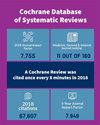
The Cochrane Database of Systematic Reviews (CDSR) stands as the premier database for systematic reviews in healthcare. It comprises Cochrane Reviews, along with protocols for these reviews, editorials, and supplements. Owned and operated by Cochrane, a worldwide independent network of healthcare stakeholders, the CDSR (ISSN 1469-493X) encompasses a broad spectrum of health-related topics, including health services.




 京公网安备 11010802042870号
京ICP备2023020795号-1
京公网安备 11010802042870号
京ICP备2023020795号-1

 分享
分享
 求助内容:
求助内容: 应助结果提醒方式:
 扫码关注我们
