Hend Ahmed, Ahmed S Shafiey, Mohamed E A Abdelrahim
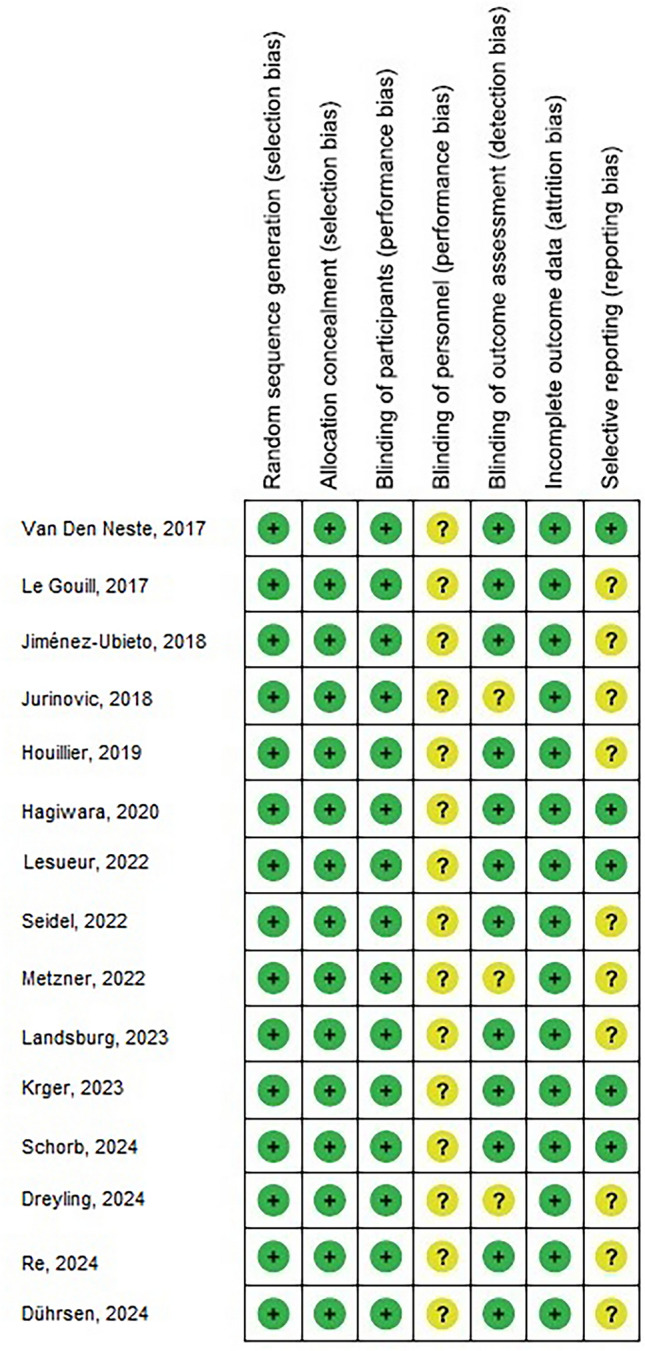
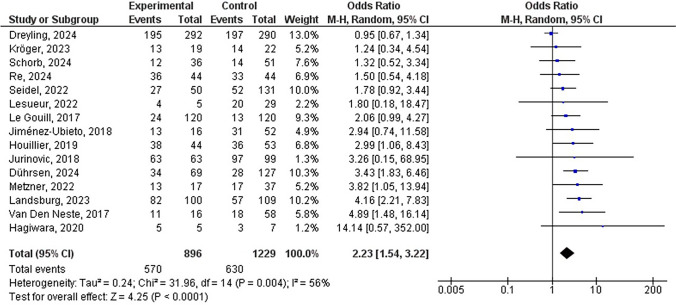
{"title":"化疗后自体造血干细胞移植治疗恶性淋巴瘤的有效性和可靠性:荟萃分析。","authors":"Hend Ahmed, Ahmed S Shafiey, Mohamed E A Abdelrahim","doi":"10.1007/s12672-025-01876-x","DOIUrl":null,"url":null,"abstract":"<p><strong>Background: </strong>Autologous hematopoietic stem cell transplantation (AHSCT) is a valuable treatment option for several hematological malignancies, particularly in relapsed or refractory cases. Autologous hematopoietic stem cell transplantation (AHSCT) is effective in improving survival rates in selected patients, particularly those with aggressive lymphomas and multiple myeloma. Studies suggest AHSCT may outperform alternative therapies, but ongoing research is essential to refine patient selection. Many patients enjoy prolonged remission and improved quality of life, indicating the need for long-term follow-up to assess late effects and overall survival. This work aimed to establish meta-analysis to methodically evaluate the safety and effectiveness of autologous stem cell therapy (AHSCT) in the management of malignant lymphoma following high-dose chemotherapy and to produce reliable findings that may serve as a foundation for clinical application and reference.</p><p><strong>Methods: </strong>A systematic literature search was performed from February 2017 to August 2024, and malignant lymphoma was identified as the study subjects' diagnosis. The experimental group was identified as AHSCT afterwards high-dose chemotherapy, while the control group underwent standard chemotherapy (with no restrictions on the chemotherapy regimen). The outcome indicators were progression-free survival (PFS), complete remission rate (complete response (CR) + partial response (PR)), and overall survival (OS).</p><p><strong>Results: </strong>Fifteen literature pieces in all, consisting of 1229 subjects in the control group and 896 subjects in the experimental group, were included. Conventional chemotherapy (chemotherapy regimen not limited) was the intervention strategy used in the control group. The odds ratio (OR) was 2.23, with a 95% confidence interval (CI) of [1.54, 3.22], Z = 4.25; P < 0.0001, indicating that the groups differed in overall survival and progression-free survival rates. Similarly, the progression-free survival rate was 2.70, with a 95% CI of 1.86-3.92, Z = 4.25; P < 0.0001, and overall survival was 2.23.</p><p><strong>Conclusions: </strong>Patients with malignant lymphoma who receive chemotherapy can substantially extend their overall survival and progression-free survival rates with AHSCT treatment.</p>","PeriodicalId":11148,"journal":{"name":"Discover. Oncology","volume":"16 1","pages":"175"},"PeriodicalIF":2.9000,"publicationDate":"2025-02-13","publicationTypes":"Journal Article","fieldsOfStudy":null,"isOpenAccess":false,"openAccessPdf":"https://www.ncbi.nlm.nih.gov/pmc/articles/PMC11825413/pdf/","citationCount":"0","resultStr":"{\"title\":\"The effectiveness and reliability of autologous hematopoietic stem cell transplantation following chemotherapy in managing malignant lymphoma: a meta-analysis.\",\"authors\":\"Hend Ahmed, Ahmed S Shafiey, Mohamed E A Abdelrahim\",\"doi\":\"10.1007/s12672-025-01876-x\",\"DOIUrl\":null,\"url\":null,\"abstract\":\"<p><strong>Background: </strong>Autologous hematopoietic stem cell transplantation (AHSCT) is a valuable treatment option for several hematological malignancies, particularly in relapsed or refractory cases. Autologous hematopoietic stem cell transplantation (AHSCT) is effective in improving survival rates in selected patients, particularly those with aggressive lymphomas and multiple myeloma. Studies suggest AHSCT may outperform alternative therapies, but ongoing research is essential to refine patient selection. Many patients enjoy prolonged remission and improved quality of life, indicating the need for long-term follow-up to assess late effects and overall survival. This work aimed to establish meta-analysis to methodically evaluate the safety and effectiveness of autologous stem cell therapy (AHSCT) in the management of malignant lymphoma following high-dose chemotherapy and to produce reliable findings that may serve as a foundation for clinical application and reference.</p><p><strong>Methods: </strong>A systematic literature search was performed from February 2017 to August 2024, and malignant lymphoma was identified as the study subjects' diagnosis. The experimental group was identified as AHSCT afterwards high-dose chemotherapy, while the control group underwent standard chemotherapy (with no restrictions on the chemotherapy regimen). The outcome indicators were progression-free survival (PFS), complete remission rate (complete response (CR) + partial response (PR)), and overall survival (OS).</p><p><strong>Results: </strong>Fifteen literature pieces in all, consisting of 1229 subjects in the control group and 896 subjects in the experimental group, were included. Conventional chemotherapy (chemotherapy regimen not limited) was the intervention strategy used in the control group. The odds ratio (OR) was 2.23, with a 95% confidence interval (CI) of [1.54, 3.22], Z = 4.25; P < 0.0001, indicating that the groups differed in overall survival and progression-free survival rates. Similarly, the progression-free survival rate was 2.70, with a 95% CI of 1.86-3.92, Z = 4.25; P < 0.0001, and overall survival was 2.23.</p><p><strong>Conclusions: </strong>Patients with malignant lymphoma who receive chemotherapy can substantially extend their overall survival and progression-free survival rates with AHSCT treatment.</p>\",\"PeriodicalId\":11148,\"journal\":{\"name\":\"Discover. Oncology\",\"volume\":\"16 1\",\"pages\":\"175\"},\"PeriodicalIF\":2.9000,\"publicationDate\":\"2025-02-13\",\"publicationTypes\":\"Journal Article\",\"fieldsOfStudy\":null,\"isOpenAccess\":false,\"openAccessPdf\":\"https://www.ncbi.nlm.nih.gov/pmc/articles/PMC11825413/pdf/\",\"citationCount\":\"0\",\"resultStr\":null,\"platform\":\"Semanticscholar\",\"paperid\":null,\"PeriodicalName\":\"Discover. Oncology\",\"FirstCategoryId\":\"3\",\"ListUrlMain\":\"https://doi.org/10.1007/s12672-025-01876-x\",\"RegionNum\":4,\"RegionCategory\":\"医学\",\"ArticlePicture\":[],\"TitleCN\":null,\"AbstractTextCN\":null,\"PMCID\":null,\"EPubDate\":\"\",\"PubModel\":\"\",\"JCR\":\"Q3\",\"JCRName\":\"ENDOCRINOLOGY & METABOLISM\",\"Score\":null,\"Total\":0}","platform":"Semanticscholar","paperid":null,"PeriodicalName":"Discover. Oncology","FirstCategoryId":"3","ListUrlMain":"https://doi.org/10.1007/s12672-025-01876-x","RegionNum":4,"RegionCategory":"医学","ArticlePicture":[],"TitleCN":null,"AbstractTextCN":null,"PMCID":null,"EPubDate":"","PubModel":"","JCR":"Q3","JCRName":"ENDOCRINOLOGY & METABOLISM","Score":null,"Total":0}
The effectiveness and reliability of autologous hematopoietic stem cell transplantation following chemotherapy in managing malignant lymphoma: a meta-analysis.
Background: Autologous hematopoietic stem cell transplantation (AHSCT) is a valuable treatment option for several hematological malignancies, particularly in relapsed or refractory cases. Autologous hematopoietic stem cell transplantation (AHSCT) is effective in improving survival rates in selected patients, particularly those with aggressive lymphomas and multiple myeloma. Studies suggest AHSCT may outperform alternative therapies, but ongoing research is essential to refine patient selection. Many patients enjoy prolonged remission and improved quality of life, indicating the need for long-term follow-up to assess late effects and overall survival. This work aimed to establish meta-analysis to methodically evaluate the safety and effectiveness of autologous stem cell therapy (AHSCT) in the management of malignant lymphoma following high-dose chemotherapy and to produce reliable findings that may serve as a foundation for clinical application and reference.
Methods: A systematic literature search was performed from February 2017 to August 2024, and malignant lymphoma was identified as the study subjects' diagnosis. The experimental group was identified as AHSCT afterwards high-dose chemotherapy, while the control group underwent standard chemotherapy (with no restrictions on the chemotherapy regimen). The outcome indicators were progression-free survival (PFS), complete remission rate (complete response (CR) + partial response (PR)), and overall survival (OS).
Results: Fifteen literature pieces in all, consisting of 1229 subjects in the control group and 896 subjects in the experimental group, were included. Conventional chemotherapy (chemotherapy regimen not limited) was the intervention strategy used in the control group. The odds ratio (OR) was 2.23, with a 95% confidence interval (CI) of [1.54, 3.22], Z = 4.25; P < 0.0001, indicating that the groups differed in overall survival and progression-free survival rates. Similarly, the progression-free survival rate was 2.70, with a 95% CI of 1.86-3.92, Z = 4.25; P < 0.0001, and overall survival was 2.23.
Conclusions: Patients with malignant lymphoma who receive chemotherapy can substantially extend their overall survival and progression-free survival rates with AHSCT treatment.






 京公网安备 11010802042870号
京ICP备2023020795号-1
京公网安备 11010802042870号
京ICP备2023020795号-1

 分享
分享
 求助内容:
求助内容: 应助结果提醒方式:
 扫码关注我们
