Chenyi Gao, Mark M Iles, David Timothy Bishop, Harriet Larvin, David Bunce, Bei Wu, Huabin Luo, Luigi Nibali, Susan Pavitt, Jianhua Wu, Jing Kang
{"title":"牙周炎的遗传危险因素:使用英国生物银行数据的全基因组关联研究。","authors":"Chenyi Gao, Mark M Iles, David Timothy Bishop, Harriet Larvin, David Bunce, Bei Wu, Huabin Luo, Luigi Nibali, Susan Pavitt, Jianhua Wu, Jing Kang","doi":"10.1007/s00784-025-06205-8","DOIUrl":null,"url":null,"abstract":"<p><strong>Objectives: </strong>Periodontitis is linked with many health conditions, but its genetic basis is not yet understood. This genome-wide association study (GWAS) aimed to investigate the genetic variants associated with periodontitis.</p><p><strong>Materials and methods: </strong>This study utilised UK Biobank participants of European descent. Individuals were categorised as \"having periodontitis\" if they self-reported having 'painful gums', 'bleeding gums' or 'loose teeth' (n = 68,482), or as \"controls\" for those without these symptoms (n = 307,342). We conducted GWAS of this binary periodontitis phenotype using logistic regression models with PLINK2.0 adjusting for age, sex and the first 15 principal components to account for population stratification.</p><p><strong>Results: </strong>There were 376,611 participants (mean baseline age = 57 ± 7.9 SD) included in the GWAS, and four significant loci were identified: rs775476621 on chromosome 11 (Odds Ratio, OR[T]: 3.08, p = 1.01 × 10<sup>- 8</sup>), rs751014048 on chromosome 11 (OR[G]: 3.07, p = 1.04 × 10<sup>- 8</sup>), rs149922301 on chromosome 4 near gene RP11-61G19.1 (OR[A]: 1.18, p = 2.71 × 10<sup>- 8</sup>) and rs368467810 on chromosome 6 near gene HIST1H3L (OR[TTTA]: 0.96, p = 3.88 × 10<sup>- 8</sup>).</p><p><strong>Conclusions: </strong>Within the current limitations, such as self-reported phenotype and older age of the study population, four loci were detected for periodontitis that have not previously been linked with this condition. Further exploration of the function of these loci may contribute to improved understanding of periodontitis aetiology and subsequent drug development.</p><p><strong>Clinical relevance: </strong>These findings offer new targets for future research to investigate the genetic impact on periodontitis and aid the future understanding of periodontitis pathology and the disease's progression.</p>","PeriodicalId":10461,"journal":{"name":"Clinical Oral Investigations","volume":"29 2","pages":"129"},"PeriodicalIF":3.1000,"publicationDate":"2025-02-14","publicationTypes":"Journal Article","fieldsOfStudy":null,"isOpenAccess":false,"openAccessPdf":"https://www.ncbi.nlm.nih.gov/pmc/articles/PMC11828758/pdf/","citationCount":"0","resultStr":"{\"title\":\"Genetic risk factors for periodontitis: a genome-wide association study using UK Biobank data.\",\"authors\":\"Chenyi Gao, Mark M Iles, David Timothy Bishop, Harriet Larvin, David Bunce, Bei Wu, Huabin Luo, Luigi Nibali, Susan Pavitt, Jianhua Wu, Jing Kang\",\"doi\":\"10.1007/s00784-025-06205-8\",\"DOIUrl\":null,\"url\":null,\"abstract\":\"<p><strong>Objectives: </strong>Periodontitis is linked with many health conditions, but its genetic basis is not yet understood. This genome-wide association study (GWAS) aimed to investigate the genetic variants associated with periodontitis.</p><p><strong>Materials and methods: </strong>This study utilised UK Biobank participants of European descent. Individuals were categorised as \\\"having periodontitis\\\" if they self-reported having 'painful gums', 'bleeding gums' or 'loose teeth' (n = 68,482), or as \\\"controls\\\" for those without these symptoms (n = 307,342). We conducted GWAS of this binary periodontitis phenotype using logistic regression models with PLINK2.0 adjusting for age, sex and the first 15 principal components to account for population stratification.</p><p><strong>Results: </strong>There were 376,611 participants (mean baseline age = 57 ± 7.9 SD) included in the GWAS, and four significant loci were identified: rs775476621 on chromosome 11 (Odds Ratio, OR[T]: 3.08, p = 1.01 × 10<sup>- 8</sup>), rs751014048 on chromosome 11 (OR[G]: 3.07, p = 1.04 × 10<sup>- 8</sup>), rs149922301 on chromosome 4 near gene RP11-61G19.1 (OR[A]: 1.18, p = 2.71 × 10<sup>- 8</sup>) and rs368467810 on chromosome 6 near gene HIST1H3L (OR[TTTA]: 0.96, p = 3.88 × 10<sup>- 8</sup>).</p><p><strong>Conclusions: </strong>Within the current limitations, such as self-reported phenotype and older age of the study population, four loci were detected for periodontitis that have not previously been linked with this condition. Further exploration of the function of these loci may contribute to improved understanding of periodontitis aetiology and subsequent drug development.</p><p><strong>Clinical relevance: </strong>These findings offer new targets for future research to investigate the genetic impact on periodontitis and aid the future understanding of periodontitis pathology and the disease's progression.</p>\",\"PeriodicalId\":10461,\"journal\":{\"name\":\"Clinical Oral Investigations\",\"volume\":\"29 2\",\"pages\":\"129\"},\"PeriodicalIF\":3.1000,\"publicationDate\":\"2025-02-14\",\"publicationTypes\":\"Journal Article\",\"fieldsOfStudy\":null,\"isOpenAccess\":false,\"openAccessPdf\":\"https://www.ncbi.nlm.nih.gov/pmc/articles/PMC11828758/pdf/\",\"citationCount\":\"0\",\"resultStr\":null,\"platform\":\"Semanticscholar\",\"paperid\":null,\"PeriodicalName\":\"Clinical Oral Investigations\",\"FirstCategoryId\":\"3\",\"ListUrlMain\":\"https://doi.org/10.1007/s00784-025-06205-8\",\"RegionNum\":2,\"RegionCategory\":\"医学\",\"ArticlePicture\":[],\"TitleCN\":null,\"AbstractTextCN\":null,\"PMCID\":null,\"EPubDate\":\"\",\"PubModel\":\"\",\"JCR\":\"Q1\",\"JCRName\":\"DENTISTRY, ORAL SURGERY & MEDICINE\",\"Score\":null,\"Total\":0}","platform":"Semanticscholar","paperid":null,"PeriodicalName":"Clinical Oral Investigations","FirstCategoryId":"3","ListUrlMain":"https://doi.org/10.1007/s00784-025-06205-8","RegionNum":2,"RegionCategory":"医学","ArticlePicture":[],"TitleCN":null,"AbstractTextCN":null,"PMCID":null,"EPubDate":"","PubModel":"","JCR":"Q1","JCRName":"DENTISTRY, ORAL SURGERY & MEDICINE","Score":null,"Total":0}
引用次数: 0
摘要
目的:牙周炎与许多健康状况有关,但其遗传基础尚不清楚。这项全基因组关联研究(GWAS)旨在研究与牙周炎相关的遗传变异。材料和方法:本研究利用英国生物银行的欧洲血统参与者。如果个人自我报告有“牙龈疼痛”、“牙龈出血”或“牙齿松动”,则被归类为“患有牙周炎”(n = 68,482),或者没有这些症状的人被归类为“对照组”(n = 307,342)。我们使用PLINK2.0的逻辑回归模型对这种二元牙周炎表型进行了GWAS,调整了年龄、性别和前15个主成分,以解释人群分层。结果:共有376,611名受试者(平均基线年龄= 57±7.9 SD)纳入GWAS,共鉴定出4个显著位点:11号染色体rs775476621位点(比值比,OR[T]: 3.08, p = 1.01 × 10- 8)、11号染色体rs751014048位点(OR[G]: 3.07, p = 1.04 × 10- 8)、4号染色体RP11-61G19.1基因附近rs149922301位点(OR[A]: 1.18, p = 2.71 × 10- 8)和6号染色体HIST1H3L基因附近rs368467810位点(OR[TTTA]: 0.96, p = 3.88 × 10- 8)。结论:在目前的限制下,如自我报告的表型和研究人群的年龄较大,我们检测到四个位点与牙周炎有关,这些位点以前没有与牙周炎相关。进一步探索这些基因座的功能可能有助于提高对牙周炎病因的理解和随后的药物开发。临床意义:这些发现为未来研究牙周炎的遗传影响提供了新的目标,并有助于未来了解牙周炎的病理和疾病的进展。
Genetic risk factors for periodontitis: a genome-wide association study using UK Biobank data.
Objectives: Periodontitis is linked with many health conditions, but its genetic basis is not yet understood. This genome-wide association study (GWAS) aimed to investigate the genetic variants associated with periodontitis.
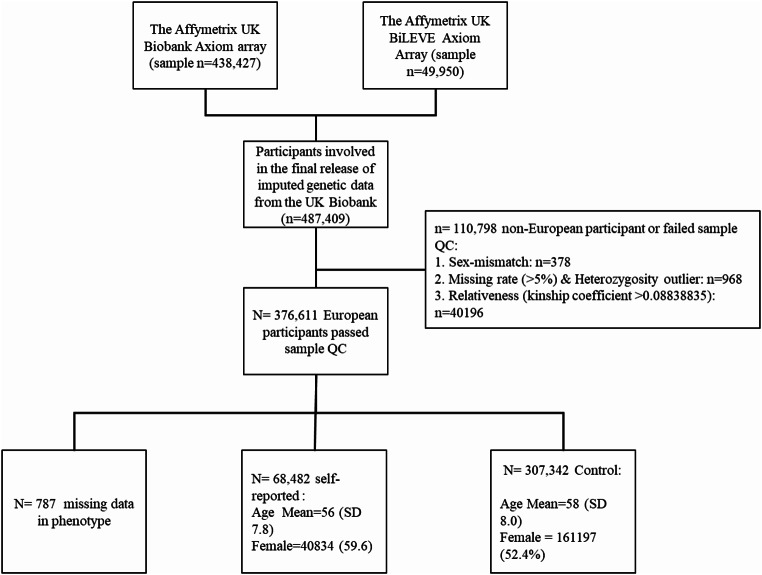
Materials and methods: This study utilised UK Biobank participants of European descent. Individuals were categorised as "having periodontitis" if they self-reported having 'painful gums', 'bleeding gums' or 'loose teeth' (n = 68,482), or as "controls" for those without these symptoms (n = 307,342). We conducted GWAS of this binary periodontitis phenotype using logistic regression models with PLINK2.0 adjusting for age, sex and the first 15 principal components to account for population stratification.
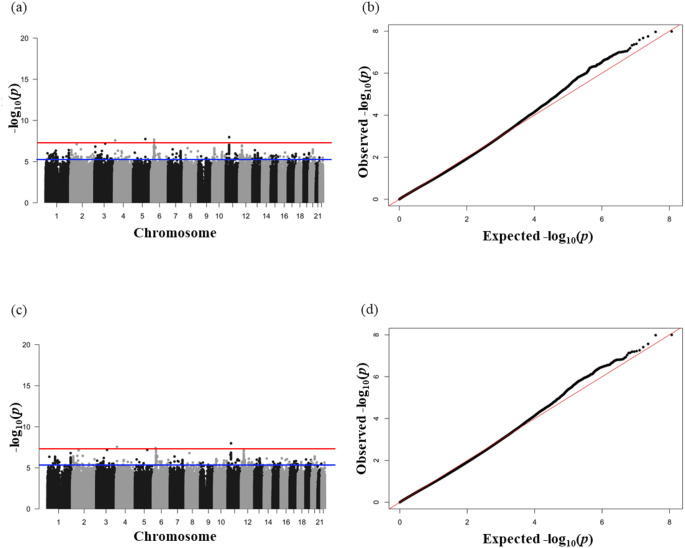
Results: There were 376,611 participants (mean baseline age = 57 ± 7.9 SD) included in the GWAS, and four significant loci were identified: rs775476621 on chromosome 11 (Odds Ratio, OR[T]: 3.08, p = 1.01 × 10- 8), rs751014048 on chromosome 11 (OR[G]: 3.07, p = 1.04 × 10- 8), rs149922301 on chromosome 4 near gene RP11-61G19.1 (OR[A]: 1.18, p = 2.71 × 10- 8) and rs368467810 on chromosome 6 near gene HIST1H3L (OR[TTTA]: 0.96, p = 3.88 × 10- 8).
Conclusions: Within the current limitations, such as self-reported phenotype and older age of the study population, four loci were detected for periodontitis that have not previously been linked with this condition. Further exploration of the function of these loci may contribute to improved understanding of periodontitis aetiology and subsequent drug development.
Clinical relevance: These findings offer new targets for future research to investigate the genetic impact on periodontitis and aid the future understanding of periodontitis pathology and the disease's progression.
期刊介绍:
The journal Clinical Oral Investigations is a multidisciplinary, international forum for publication of research from all fields of oral medicine. The journal publishes original scientific articles and invited reviews which provide up-to-date results of basic and clinical studies in oral and maxillofacial science and medicine. The aim is to clarify the relevance of new results to modern practice, for an international readership. Coverage includes maxillofacial and oral surgery, prosthetics and restorative dentistry, operative dentistry, endodontics, periodontology, orthodontics, dental materials science, clinical trials, epidemiology, pedodontics, oral implant, preventive dentistiry, oral pathology, oral basic sciences and more.





 京公网安备 11010802042870号
京ICP备2023020795号-1
京公网安备 11010802042870号
京ICP备2023020795号-1

 分享
分享
 求助内容:
求助内容: 应助结果提醒方式:
 扫码关注我们
