Boglárka Varga, Mariana Cornelia Tilinca, László Marton, Cristian-Norbert Ionescu, Monica Iudita Maria Szabo
{"title":"认知能力下降与糖尿病的临床研究。","authors":"Boglárka Varga, Mariana Cornelia Tilinca, László Marton, Cristian-Norbert Ionescu, Monica Iudita Maria Szabo","doi":"10.15386/mpr-2653","DOIUrl":null,"url":null,"abstract":"<p><strong>Objective: </strong>The aim of our study was to evaluate the prevalence of cognitive decline in patients with diabetes in the clinical setting and to identify patient characteristics directly associated with this condition.</p><p><strong>Methods: </strong>In our cross-sectional study, we applied the Mini Mental State Examination (MMSE) and the Montreal Cognitive Assessment (MoCA) to determine cognitive function in 172 diabetic patients, in the clinical setting. We included 120 patients with type 2 diabetes (T2DM), 42 cases with type 1 diabetes (T1DM) and 10 patients with confirmed secondary diabetes (SDM). The mean age of the participants was 62.4 years (±1.01, min: 26 years, Max: 87 years), with median diabetes duration of 15±11.8 years.</p><p><strong>Results: </strong>More than half (55.23%) of the subjects presented cognitive deterioration, which was diabetes type-specific (p<0.05). Mild forms affected mostly T1DM and SDM cases (31.5% and 30% vs. T2DM: 14.5%, p=0.00), whereas moderate cognitive decline was more predominant in T2DM (21.9% vs. T1DM: 7.1%, p=0.1). A higher prevalence of severe cognitive impairment was present in T1DM (14.5% vs. T2DM: 8.7%, p=0.1).The middle-aged category (40-64 years) was characterized by a more significant reduction of cognitive function in comparison with other age groups (p=0.02).No gender-related difference in the prevalence of cognitive decline was found (female: 45.83% vs male: 45.71%, p=0.98), although severe forms were significantly more suggestive for men (15.27% vs. 4.18%, p=0.04).Diabetic ketoacidosis (DKA) at admission was more frequently associated with cognitive deterioration, in comparison with hypoglycemic events (p=0.03).In T2DM, cognitive decline (p=0.006, r=-0.342) was associated with the presence of anemia.In T2DM women, treatment with calcium-channel blockers facilitated cognitive decrement (p=0.01, r=-0.339), whereas in men, therapy for distal symmetric polyneuropathy resulted in higher MMSE/MoCA test scores (p=0.00, r=0.72).In T1DM, a higher glycemic burden evidenced by increased HbA1c (p=0.03, r=-0.364) and glycemia at admission (p=0.01, r=-0.389) was suggestive to a more severe form of cognitive impairment. Distal symmetrical polyneuropathy (p=0.05, r=-0.305) and diabetic retinopathy (p=0.03, r=-0.102) was often co-occurring with cognitive decline.Cognitive deterioration was associated with insulin therapy (p=0.05, r=-0.232).</p><p><strong>Conclusion: </strong>The prevalence of cognitive decline is high in the diabetic population. Risk stratification must start at diagnosis and physicians should follow disease progression periodically, with special attention attributed to T1DM and the middle-aged population.</p>","PeriodicalId":18438,"journal":{"name":"Medicine and Pharmacy Reports","volume":"98 1","pages":"67-75"},"PeriodicalIF":0.0000,"publicationDate":"2025-01-01","publicationTypes":"Journal Article","fieldsOfStudy":null,"isOpenAccess":false,"openAccessPdf":"https://www.ncbi.nlm.nih.gov/pmc/articles/PMC11817590/pdf/","citationCount":"0","resultStr":"{\"title\":\"Cognitive decline and diabetes in the clinical setting.\",\"authors\":\"Boglárka Varga, Mariana Cornelia Tilinca, László Marton, Cristian-Norbert Ionescu, Monica Iudita Maria Szabo\",\"doi\":\"10.15386/mpr-2653\",\"DOIUrl\":null,\"url\":null,\"abstract\":\"<p><strong>Objective: </strong>The aim of our study was to evaluate the prevalence of cognitive decline in patients with diabetes in the clinical setting and to identify patient characteristics directly associated with this condition.</p><p><strong>Methods: </strong>In our cross-sectional study, we applied the Mini Mental State Examination (MMSE) and the Montreal Cognitive Assessment (MoCA) to determine cognitive function in 172 diabetic patients, in the clinical setting. We included 120 patients with type 2 diabetes (T2DM), 42 cases with type 1 diabetes (T1DM) and 10 patients with confirmed secondary diabetes (SDM). The mean age of the participants was 62.4 years (±1.01, min: 26 years, Max: 87 years), with median diabetes duration of 15±11.8 years.</p><p><strong>Results: </strong>More than half (55.23%) of the subjects presented cognitive deterioration, which was diabetes type-specific (p<0.05). Mild forms affected mostly T1DM and SDM cases (31.5% and 30% vs. T2DM: 14.5%, p=0.00), whereas moderate cognitive decline was more predominant in T2DM (21.9% vs. T1DM: 7.1%, p=0.1). A higher prevalence of severe cognitive impairment was present in T1DM (14.5% vs. T2DM: 8.7%, p=0.1).The middle-aged category (40-64 years) was characterized by a more significant reduction of cognitive function in comparison with other age groups (p=0.02).No gender-related difference in the prevalence of cognitive decline was found (female: 45.83% vs male: 45.71%, p=0.98), although severe forms were significantly more suggestive for men (15.27% vs. 4.18%, p=0.04).Diabetic ketoacidosis (DKA) at admission was more frequently associated with cognitive deterioration, in comparison with hypoglycemic events (p=0.03).In T2DM, cognitive decline (p=0.006, r=-0.342) was associated with the presence of anemia.In T2DM women, treatment with calcium-channel blockers facilitated cognitive decrement (p=0.01, r=-0.339), whereas in men, therapy for distal symmetric polyneuropathy resulted in higher MMSE/MoCA test scores (p=0.00, r=0.72).In T1DM, a higher glycemic burden evidenced by increased HbA1c (p=0.03, r=-0.364) and glycemia at admission (p=0.01, r=-0.389) was suggestive to a more severe form of cognitive impairment. Distal symmetrical polyneuropathy (p=0.05, r=-0.305) and diabetic retinopathy (p=0.03, r=-0.102) was often co-occurring with cognitive decline.Cognitive deterioration was associated with insulin therapy (p=0.05, r=-0.232).</p><p><strong>Conclusion: </strong>The prevalence of cognitive decline is high in the diabetic population. Risk stratification must start at diagnosis and physicians should follow disease progression periodically, with special attention attributed to T1DM and the middle-aged population.</p>\",\"PeriodicalId\":18438,\"journal\":{\"name\":\"Medicine and Pharmacy Reports\",\"volume\":\"98 1\",\"pages\":\"67-75\"},\"PeriodicalIF\":0.0000,\"publicationDate\":\"2025-01-01\",\"publicationTypes\":\"Journal Article\",\"fieldsOfStudy\":null,\"isOpenAccess\":false,\"openAccessPdf\":\"https://www.ncbi.nlm.nih.gov/pmc/articles/PMC11817590/pdf/\",\"citationCount\":\"0\",\"resultStr\":null,\"platform\":\"Semanticscholar\",\"paperid\":null,\"PeriodicalName\":\"Medicine and Pharmacy Reports\",\"FirstCategoryId\":\"1085\",\"ListUrlMain\":\"https://doi.org/10.15386/mpr-2653\",\"RegionNum\":0,\"RegionCategory\":null,\"ArticlePicture\":[],\"TitleCN\":null,\"AbstractTextCN\":null,\"PMCID\":null,\"EPubDate\":\"2025/1/31 0:00:00\",\"PubModel\":\"Epub\",\"JCR\":\"Q2\",\"JCRName\":\"Medicine\",\"Score\":null,\"Total\":0}","platform":"Semanticscholar","paperid":null,"PeriodicalName":"Medicine and Pharmacy Reports","FirstCategoryId":"1085","ListUrlMain":"https://doi.org/10.15386/mpr-2653","RegionNum":0,"RegionCategory":null,"ArticlePicture":[],"TitleCN":null,"AbstractTextCN":null,"PMCID":null,"EPubDate":"2025/1/31 0:00:00","PubModel":"Epub","JCR":"Q2","JCRName":"Medicine","Score":null,"Total":0}
Cognitive decline and diabetes in the clinical setting.
Objective: The aim of our study was to evaluate the prevalence of cognitive decline in patients with diabetes in the clinical setting and to identify patient characteristics directly associated with this condition.
Methods: In our cross-sectional study, we applied the Mini Mental State Examination (MMSE) and the Montreal Cognitive Assessment (MoCA) to determine cognitive function in 172 diabetic patients, in the clinical setting. We included 120 patients with type 2 diabetes (T2DM), 42 cases with type 1 diabetes (T1DM) and 10 patients with confirmed secondary diabetes (SDM). The mean age of the participants was 62.4 years (±1.01, min: 26 years, Max: 87 years), with median diabetes duration of 15±11.8 years.
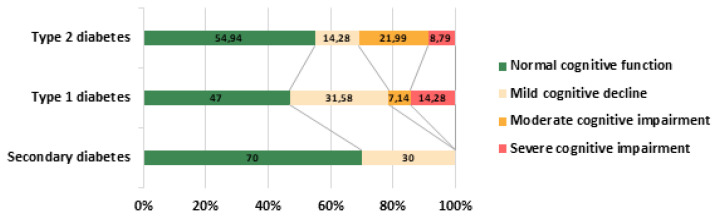
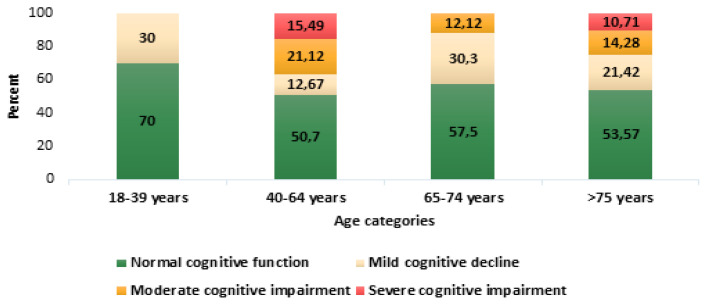
Results: More than half (55.23%) of the subjects presented cognitive deterioration, which was diabetes type-specific (p<0.05). Mild forms affected mostly T1DM and SDM cases (31.5% and 30% vs. T2DM: 14.5%, p=0.00), whereas moderate cognitive decline was more predominant in T2DM (21.9% vs. T1DM: 7.1%, p=0.1). A higher prevalence of severe cognitive impairment was present in T1DM (14.5% vs. T2DM: 8.7%, p=0.1).The middle-aged category (40-64 years) was characterized by a more significant reduction of cognitive function in comparison with other age groups (p=0.02).No gender-related difference in the prevalence of cognitive decline was found (female: 45.83% vs male: 45.71%, p=0.98), although severe forms were significantly more suggestive for men (15.27% vs. 4.18%, p=0.04).Diabetic ketoacidosis (DKA) at admission was more frequently associated with cognitive deterioration, in comparison with hypoglycemic events (p=0.03).In T2DM, cognitive decline (p=0.006, r=-0.342) was associated with the presence of anemia.In T2DM women, treatment with calcium-channel blockers facilitated cognitive decrement (p=0.01, r=-0.339), whereas in men, therapy for distal symmetric polyneuropathy resulted in higher MMSE/MoCA test scores (p=0.00, r=0.72).In T1DM, a higher glycemic burden evidenced by increased HbA1c (p=0.03, r=-0.364) and glycemia at admission (p=0.01, r=-0.389) was suggestive to a more severe form of cognitive impairment. Distal symmetrical polyneuropathy (p=0.05, r=-0.305) and diabetic retinopathy (p=0.03, r=-0.102) was often co-occurring with cognitive decline.Cognitive deterioration was associated with insulin therapy (p=0.05, r=-0.232).
Conclusion: The prevalence of cognitive decline is high in the diabetic population. Risk stratification must start at diagnosis and physicians should follow disease progression periodically, with special attention attributed to T1DM and the middle-aged population.





 京公网安备 11010802042870号
京ICP备2023020795号-1
京公网安备 11010802042870号
京ICP备2023020795号-1

 分享
分享
 求助内容:
求助内容: 应助结果提醒方式:
 扫码关注我们
