Ji Hyeon Kim , Sae Yeon Hwang , Hye-Lan Lee , Sol Lip Yoon , Yoon Ha , Hye Yeong Lee , Seungjun Ryu
{"title":"化学遗传病毒注射与氯氮平治疗脊髓损伤的效果。","authors":"Ji Hyeon Kim , Sae Yeon Hwang , Hye-Lan Lee , Sol Lip Yoon , Yoon Ha , Hye Yeong Lee , Seungjun Ryu","doi":"10.1016/j.neurot.2025.e00547","DOIUrl":null,"url":null,"abstract":"<div><div>Neuromodulation therapy using chemogenetic stimulation has shown potential in enhancing motor recovery and neuroregeneration following spinal cord injury (SCI). These therapeutic benefits are hypothesized to result from the promotion of neuroplasticity, particularly when administered during the acute phase of injury. In this study, we investigated the effects of chemogenetic stimulation using Designer Receptors Exclusively Activated by Designer Drugs (DREADDs) in conjunction with clozapine, a ligand for receptor activation. DREADDs enable targeted, reversible neuromodulation, facilitating the histological characterization of engineered neurons. We utilized these receptors to modulate G-protein-coupled receptor (GPCR) signaling pathways, leading to the activation or inhibition of intracellular signaling. The objective was to determine whether the administration of DREADDs and clozapine (0.1 mg/kg) could enhance motor function and neuronal recovery, particularly when applied during the acute phase of SCI. Weekly behavioral assessments demonstrated significant improvements in motor skills and neuronal regeneration in treated animals compared to controls, with the most pronounced effects observed when stimulation was initiated early after injury. These enhancements in neuroplasticity were reflected in improved ladder rung test scores and Basso, Beattie, and Bresnahan (BBB) scale results in DREADDs-treated rats. Histological analyses, including immunohistochemistry (IHC) staining, Western blotting, and quantitative reverse transcription PCR (qRT-PCR), confirmed that the treatment group exhibited a higher density of neurons, increased signaling protein expression, and reduced inflammatory markers. These findings suggest that chemogenetic stimulation, particularly when administered during the acute phase, effectively promotes neuroregeneration and motor recovery. Future research should focus on assessing the long-term safety and efficacy of chemogenetic virus injection and clozapine administration, with an emphasis on the timing of intervention.</div></div>","PeriodicalId":19159,"journal":{"name":"Neurotherapeutics","volume":"22 2","pages":"Article e00547"},"PeriodicalIF":6.9000,"publicationDate":"2025-03-01","publicationTypes":"Journal Article","fieldsOfStudy":null,"isOpenAccess":false,"openAccessPdf":"","citationCount":"0","resultStr":"{\"title\":\"Effects of chemogenetic virus injection and clozapine administration in spinal cord injury\",\"authors\":\"Ji Hyeon Kim , Sae Yeon Hwang , Hye-Lan Lee , Sol Lip Yoon , Yoon Ha , Hye Yeong Lee , Seungjun Ryu\",\"doi\":\"10.1016/j.neurot.2025.e00547\",\"DOIUrl\":null,\"url\":null,\"abstract\":\"<div><div>Neuromodulation therapy using chemogenetic stimulation has shown potential in enhancing motor recovery and neuroregeneration following spinal cord injury (SCI). These therapeutic benefits are hypothesized to result from the promotion of neuroplasticity, particularly when administered during the acute phase of injury. In this study, we investigated the effects of chemogenetic stimulation using Designer Receptors Exclusively Activated by Designer Drugs (DREADDs) in conjunction with clozapine, a ligand for receptor activation. DREADDs enable targeted, reversible neuromodulation, facilitating the histological characterization of engineered neurons. We utilized these receptors to modulate G-protein-coupled receptor (GPCR) signaling pathways, leading to the activation or inhibition of intracellular signaling. The objective was to determine whether the administration of DREADDs and clozapine (0.1 mg/kg) could enhance motor function and neuronal recovery, particularly when applied during the acute phase of SCI. Weekly behavioral assessments demonstrated significant improvements in motor skills and neuronal regeneration in treated animals compared to controls, with the most pronounced effects observed when stimulation was initiated early after injury. These enhancements in neuroplasticity were reflected in improved ladder rung test scores and Basso, Beattie, and Bresnahan (BBB) scale results in DREADDs-treated rats. Histological analyses, including immunohistochemistry (IHC) staining, Western blotting, and quantitative reverse transcription PCR (qRT-PCR), confirmed that the treatment group exhibited a higher density of neurons, increased signaling protein expression, and reduced inflammatory markers. These findings suggest that chemogenetic stimulation, particularly when administered during the acute phase, effectively promotes neuroregeneration and motor recovery. Future research should focus on assessing the long-term safety and efficacy of chemogenetic virus injection and clozapine administration, with an emphasis on the timing of intervention.</div></div>\",\"PeriodicalId\":19159,\"journal\":{\"name\":\"Neurotherapeutics\",\"volume\":\"22 2\",\"pages\":\"Article e00547\"},\"PeriodicalIF\":6.9000,\"publicationDate\":\"2025-03-01\",\"publicationTypes\":\"Journal Article\",\"fieldsOfStudy\":null,\"isOpenAccess\":false,\"openAccessPdf\":\"\",\"citationCount\":\"0\",\"resultStr\":null,\"platform\":\"Semanticscholar\",\"paperid\":null,\"PeriodicalName\":\"Neurotherapeutics\",\"FirstCategoryId\":\"3\",\"ListUrlMain\":\"https://www.sciencedirect.com/science/article/pii/S187874792500025X\",\"RegionNum\":2,\"RegionCategory\":\"医学\",\"ArticlePicture\":[],\"TitleCN\":null,\"AbstractTextCN\":null,\"PMCID\":null,\"EPubDate\":\"2025/2/14 0:00:00\",\"PubModel\":\"Epub\",\"JCR\":\"Q1\",\"JCRName\":\"CLINICAL NEUROLOGY\",\"Score\":null,\"Total\":0}","platform":"Semanticscholar","paperid":null,"PeriodicalName":"Neurotherapeutics","FirstCategoryId":"3","ListUrlMain":"https://www.sciencedirect.com/science/article/pii/S187874792500025X","RegionNum":2,"RegionCategory":"医学","ArticlePicture":[],"TitleCN":null,"AbstractTextCN":null,"PMCID":null,"EPubDate":"2025/2/14 0:00:00","PubModel":"Epub","JCR":"Q1","JCRName":"CLINICAL NEUROLOGY","Score":null,"Total":0}
引用次数: 0
摘要
使用化学发生刺激的神经调节疗法在脊髓损伤(SCI)后的运动恢复和神经再生方面显示出潜力。假设这些治疗益处是由于促进神经可塑性,特别是在损伤急性期给予。在这项研究中,我们利用设计药物独家激活的设计受体(DREADDs)与氯氮平(一种受体激活配体)联合研究了化学发生刺激的效果。DREADDs实现了靶向的、可逆的神经调节,促进了工程神经元的组织学表征。我们利用这些受体来调节g蛋白偶联受体(GPCR)信号通路,导致细胞内信号的激活或抑制。目的是确定使用DREADDs和氯氮平(0.1 mg/kg)是否可以增强运动功能和神经元恢复,特别是在脊髓损伤急性期使用时。每周行为评估显示,与对照组相比,治疗后的动物在运动技能和神经元再生方面有显著改善,在受伤后早期开始刺激时观察到的效果最为明显。这些神经可塑性的增强反映在阶梯测试分数和BBB (Basso, Beattie, and Bresnahan)评分结果上。包括免疫组化(IHC)染色、Western blotting和定量反转录PCR (qRT-PCR)在内的组织学分析证实,治疗组表现出更高的神经元密度,信号蛋白表达增加,炎症标志物减少。这些发现表明,化学发生刺激,特别是在急性期给予,有效地促进神经再生和运动恢复。未来的研究应侧重于评估化学遗传病毒注射和氯氮平给药的长期安全性和有效性,并强调干预的时机。
Effects of chemogenetic virus injection and clozapine administration in spinal cord injury
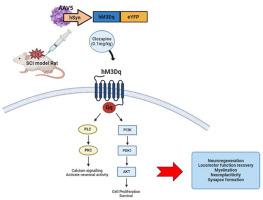
Neuromodulation therapy using chemogenetic stimulation has shown potential in enhancing motor recovery and neuroregeneration following spinal cord injury (SCI). These therapeutic benefits are hypothesized to result from the promotion of neuroplasticity, particularly when administered during the acute phase of injury. In this study, we investigated the effects of chemogenetic stimulation using Designer Receptors Exclusively Activated by Designer Drugs (DREADDs) in conjunction with clozapine, a ligand for receptor activation. DREADDs enable targeted, reversible neuromodulation, facilitating the histological characterization of engineered neurons. We utilized these receptors to modulate G-protein-coupled receptor (GPCR) signaling pathways, leading to the activation or inhibition of intracellular signaling. The objective was to determine whether the administration of DREADDs and clozapine (0.1 mg/kg) could enhance motor function and neuronal recovery, particularly when applied during the acute phase of SCI. Weekly behavioral assessments demonstrated significant improvements in motor skills and neuronal regeneration in treated animals compared to controls, with the most pronounced effects observed when stimulation was initiated early after injury. These enhancements in neuroplasticity were reflected in improved ladder rung test scores and Basso, Beattie, and Bresnahan (BBB) scale results in DREADDs-treated rats. Histological analyses, including immunohistochemistry (IHC) staining, Western blotting, and quantitative reverse transcription PCR (qRT-PCR), confirmed that the treatment group exhibited a higher density of neurons, increased signaling protein expression, and reduced inflammatory markers. These findings suggest that chemogenetic stimulation, particularly when administered during the acute phase, effectively promotes neuroregeneration and motor recovery. Future research should focus on assessing the long-term safety and efficacy of chemogenetic virus injection and clozapine administration, with an emphasis on the timing of intervention.
期刊介绍:
Neurotherapeutics® is the journal of the American Society for Experimental Neurotherapeutics (ASENT). Each issue provides critical reviews of an important topic relating to the treatment of neurological disorders written by international authorities.
The Journal also publishes original research articles in translational neuroscience including descriptions of cutting edge therapies that cross disciplinary lines and represent important contributions to neurotherapeutics for medical practitioners and other researchers in the field.
Neurotherapeutics ® delivers a multidisciplinary perspective on the frontiers of translational neuroscience, provides perspectives on current research and practice, and covers social and ethical as well as scientific issues.




 京公网安备 11010802042870号
京ICP备2023020795号-1
京公网安备 11010802042870号
京ICP备2023020795号-1

 分享
分享
 求助内容:
求助内容: 应助结果提醒方式:
 扫码关注我们
