Chisom S. Egedeuzu , Peter G. Taylor , Lu Shin Wong
{"title":"研究硅氧键缩合和转化过程中硅蛋白的选择性和特异性","authors":"Chisom S. Egedeuzu , Peter G. Taylor , Lu Shin Wong","doi":"10.1039/d4cy00985a","DOIUrl":null,"url":null,"abstract":"<div><div>Silyl ethers are an important group of compounds containing Si–O bonds with a variety of applications, but their formation currently relies on reagents that are undesirable from a sustainability perspective. This study is a further investigation of the biocatalytic silylation of alcohols using silanols or silyl ethers as the silyl donor, with the recombinant enzyme silicatein-α as the catalyst. It was found that the model enzyme-catalysed reactions gave better conversion of phenol to its corresponding phenoxy silane compared to the aliphatic <em>n</em>-octanol. The enzyme was selective for phenols and did not catalyse disiloxane formation. In addition, it was observed that the optimum temperature for the enzymatic conversion was 75 °C. The enzyme also showed superior catalysis compared to conventional small molecule base catalysts such as imidazole and triethylamine.</div></div>","PeriodicalId":66,"journal":{"name":"Catalysis Science & Technology","volume":"15 4","pages":"Pages 1009-1015"},"PeriodicalIF":4.0000,"publicationDate":"2025-01-20","publicationTypes":"Journal Article","fieldsOfStudy":null,"isOpenAccess":false,"openAccessPdf":"https://pubs.rsc.org/en/content/articlepdf/2025/cy/d4cy00985a?page=search","citationCount":"0","resultStr":"{\"title\":\"Investigating silicatein selectivity and specificity in silicon–oxygen bond condensation and metathesis†\",\"authors\":\"Chisom S. Egedeuzu , Peter G. Taylor , Lu Shin Wong\",\"doi\":\"10.1039/d4cy00985a\",\"DOIUrl\":null,\"url\":null,\"abstract\":\"<div><div>Silyl ethers are an important group of compounds containing Si–O bonds with a variety of applications, but their formation currently relies on reagents that are undesirable from a sustainability perspective. This study is a further investigation of the biocatalytic silylation of alcohols using silanols or silyl ethers as the silyl donor, with the recombinant enzyme silicatein-α as the catalyst. It was found that the model enzyme-catalysed reactions gave better conversion of phenol to its corresponding phenoxy silane compared to the aliphatic <em>n</em>-octanol. The enzyme was selective for phenols and did not catalyse disiloxane formation. In addition, it was observed that the optimum temperature for the enzymatic conversion was 75 °C. The enzyme also showed superior catalysis compared to conventional small molecule base catalysts such as imidazole and triethylamine.</div></div>\",\"PeriodicalId\":66,\"journal\":{\"name\":\"Catalysis Science & Technology\",\"volume\":\"15 4\",\"pages\":\"Pages 1009-1015\"},\"PeriodicalIF\":4.0000,\"publicationDate\":\"2025-01-20\",\"publicationTypes\":\"Journal Article\",\"fieldsOfStudy\":null,\"isOpenAccess\":false,\"openAccessPdf\":\"https://pubs.rsc.org/en/content/articlepdf/2025/cy/d4cy00985a?page=search\",\"citationCount\":\"0\",\"resultStr\":null,\"platform\":\"Semanticscholar\",\"paperid\":null,\"PeriodicalName\":\"Catalysis Science & Technology\",\"FirstCategoryId\":\"92\",\"ListUrlMain\":\"https://www.sciencedirect.com/org/science/article/pii/S2044475325000127\",\"RegionNum\":3,\"RegionCategory\":\"化学\",\"ArticlePicture\":[],\"TitleCN\":null,\"AbstractTextCN\":null,\"PMCID\":null,\"EPubDate\":\"2025/1/13 0:00:00\",\"PubModel\":\"Epub\",\"JCR\":\"Q2\",\"JCRName\":\"CHEMISTRY, PHYSICAL\",\"Score\":null,\"Total\":0}","platform":"Semanticscholar","paperid":null,"PeriodicalName":"Catalysis Science & Technology","FirstCategoryId":"92","ListUrlMain":"https://www.sciencedirect.com/org/science/article/pii/S2044475325000127","RegionNum":3,"RegionCategory":"化学","ArticlePicture":[],"TitleCN":null,"AbstractTextCN":null,"PMCID":null,"EPubDate":"2025/1/13 0:00:00","PubModel":"Epub","JCR":"Q2","JCRName":"CHEMISTRY, PHYSICAL","Score":null,"Total":0}
Investigating silicatein selectivity and specificity in silicon–oxygen bond condensation and metathesis†
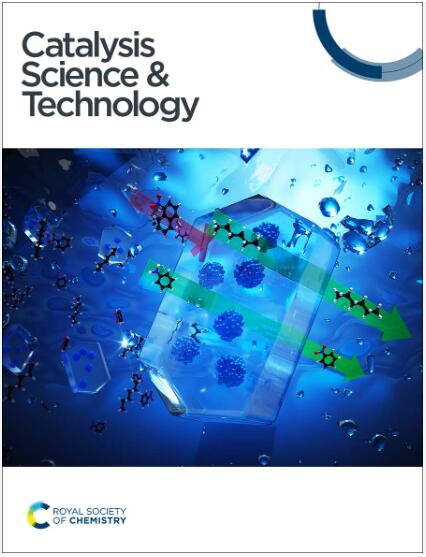
Silyl ethers are an important group of compounds containing Si–O bonds with a variety of applications, but their formation currently relies on reagents that are undesirable from a sustainability perspective. This study is a further investigation of the biocatalytic silylation of alcohols using silanols or silyl ethers as the silyl donor, with the recombinant enzyme silicatein-α as the catalyst. It was found that the model enzyme-catalysed reactions gave better conversion of phenol to its corresponding phenoxy silane compared to the aliphatic n-octanol. The enzyme was selective for phenols and did not catalyse disiloxane formation. In addition, it was observed that the optimum temperature for the enzymatic conversion was 75 °C. The enzyme also showed superior catalysis compared to conventional small molecule base catalysts such as imidazole and triethylamine.
期刊介绍:
A multidisciplinary journal focusing on cutting edge research across all fundamental science and technological aspects of catalysis.
Editor-in-chief: Bert Weckhuysen
Impact factor: 5.0
Time to first decision (peer reviewed only): 31 days





 京公网安备 11010802042870号
京ICP备2023020795号-1
京公网安备 11010802042870号
京ICP备2023020795号-1

 分享
分享
 求助内容:
求助内容: 应助结果提醒方式:
 扫码关注我们
