{"title":"耐油和耐油脂的模塑纤维容器由纤维素纳米原纤维实现的木浆部分替代而成","authors":"Mamoona Raheem, Carl P. Tripp, Mehdi Tajvidi","doi":"10.1007/s10570-024-06340-7","DOIUrl":null,"url":null,"abstract":"<div><p>Molded fiber products are regaining popularity for food service applications due to growing concerns about plastic pollution and environmental sustainability. However, to render molded fiber products water and grease resistant, per- and polyfluoroalkyl substances are usually added. In this work, we have demonstrated that cellulose nanofibrils (CNFs) can play a dual role in molded fiber products, both as a binder and as a grease resistant layer. The objective of this work was to produce paper plates via a thermoforming process by hybridizing conventional bleached Kraft pulp (BKP) with lignocellulosic residues such as wood flour (WF) or thermomechanical pulp, using CNFs as a binder. Different formulations were prepared to screen the paper plate formulations and determine the optimal weight percentage ratio of raw materials based on the mechanical properties (tensile and flexural) of the product. The order in which lignocellulosic fibers were added was investigated prior to the experiments and found to have no impact on the mechanical properties of the paper plates. Replacing 35% of BKP with WF and using 10% CNF as a binder resulted in a 90–130% increase in tensile and flexural properties of the paper plates compared to control paper plates made from BKP. Paper plates laminated with 40 g/m<sup>2</sup> CNF exhibited a good grease barrier (Kit 12), a Cobb value of 36 ± 4 g/m<sup>2</sup>, and tear resistance of 14 ± 4.0 (N/mm), and had a smooth surface confirmed through SEM analysis.</p></div>","PeriodicalId":511,"journal":{"name":"Cellulose","volume":"32 3","pages":"1851 - 1866"},"PeriodicalIF":4.6000,"publicationDate":"2024-12-26","publicationTypes":"Journal Article","fieldsOfStudy":null,"isOpenAccess":false,"openAccessPdf":"","citationCount":"0","resultStr":"{\"title\":\"Oil and grease-resistant molded fiber containers produced by partial substitution of wood pulp with wood particles enabled by cellulose nanofibrils\",\"authors\":\"Mamoona Raheem, Carl P. Tripp, Mehdi Tajvidi\",\"doi\":\"10.1007/s10570-024-06340-7\",\"DOIUrl\":null,\"url\":null,\"abstract\":\"<div><p>Molded fiber products are regaining popularity for food service applications due to growing concerns about plastic pollution and environmental sustainability. However, to render molded fiber products water and grease resistant, per- and polyfluoroalkyl substances are usually added. In this work, we have demonstrated that cellulose nanofibrils (CNFs) can play a dual role in molded fiber products, both as a binder and as a grease resistant layer. The objective of this work was to produce paper plates via a thermoforming process by hybridizing conventional bleached Kraft pulp (BKP) with lignocellulosic residues such as wood flour (WF) or thermomechanical pulp, using CNFs as a binder. Different formulations were prepared to screen the paper plate formulations and determine the optimal weight percentage ratio of raw materials based on the mechanical properties (tensile and flexural) of the product. The order in which lignocellulosic fibers were added was investigated prior to the experiments and found to have no impact on the mechanical properties of the paper plates. Replacing 35% of BKP with WF and using 10% CNF as a binder resulted in a 90–130% increase in tensile and flexural properties of the paper plates compared to control paper plates made from BKP. Paper plates laminated with 40 g/m<sup>2</sup> CNF exhibited a good grease barrier (Kit 12), a Cobb value of 36 ± 4 g/m<sup>2</sup>, and tear resistance of 14 ± 4.0 (N/mm), and had a smooth surface confirmed through SEM analysis.</p></div>\",\"PeriodicalId\":511,\"journal\":{\"name\":\"Cellulose\",\"volume\":\"32 3\",\"pages\":\"1851 - 1866\"},\"PeriodicalIF\":4.6000,\"publicationDate\":\"2024-12-26\",\"publicationTypes\":\"Journal Article\",\"fieldsOfStudy\":null,\"isOpenAccess\":false,\"openAccessPdf\":\"\",\"citationCount\":\"0\",\"resultStr\":null,\"platform\":\"Semanticscholar\",\"paperid\":null,\"PeriodicalName\":\"Cellulose\",\"FirstCategoryId\":\"88\",\"ListUrlMain\":\"https://link.springer.com/article/10.1007/s10570-024-06340-7\",\"RegionNum\":2,\"RegionCategory\":\"工程技术\",\"ArticlePicture\":[],\"TitleCN\":null,\"AbstractTextCN\":null,\"PMCID\":null,\"EPubDate\":\"\",\"PubModel\":\"\",\"JCR\":\"Q1\",\"JCRName\":\"MATERIALS SCIENCE, PAPER & WOOD\",\"Score\":null,\"Total\":0}","platform":"Semanticscholar","paperid":null,"PeriodicalName":"Cellulose","FirstCategoryId":"88","ListUrlMain":"https://link.springer.com/article/10.1007/s10570-024-06340-7","RegionNum":2,"RegionCategory":"工程技术","ArticlePicture":[],"TitleCN":null,"AbstractTextCN":null,"PMCID":null,"EPubDate":"","PubModel":"","JCR":"Q1","JCRName":"MATERIALS SCIENCE, PAPER & WOOD","Score":null,"Total":0}
Oil and grease-resistant molded fiber containers produced by partial substitution of wood pulp with wood particles enabled by cellulose nanofibrils
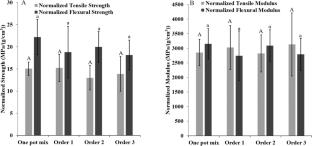
Molded fiber products are regaining popularity for food service applications due to growing concerns about plastic pollution and environmental sustainability. However, to render molded fiber products water and grease resistant, per- and polyfluoroalkyl substances are usually added. In this work, we have demonstrated that cellulose nanofibrils (CNFs) can play a dual role in molded fiber products, both as a binder and as a grease resistant layer. The objective of this work was to produce paper plates via a thermoforming process by hybridizing conventional bleached Kraft pulp (BKP) with lignocellulosic residues such as wood flour (WF) or thermomechanical pulp, using CNFs as a binder. Different formulations were prepared to screen the paper plate formulations and determine the optimal weight percentage ratio of raw materials based on the mechanical properties (tensile and flexural) of the product. The order in which lignocellulosic fibers were added was investigated prior to the experiments and found to have no impact on the mechanical properties of the paper plates. Replacing 35% of BKP with WF and using 10% CNF as a binder resulted in a 90–130% increase in tensile and flexural properties of the paper plates compared to control paper plates made from BKP. Paper plates laminated with 40 g/m2 CNF exhibited a good grease barrier (Kit 12), a Cobb value of 36 ± 4 g/m2, and tear resistance of 14 ± 4.0 (N/mm), and had a smooth surface confirmed through SEM analysis.
期刊介绍:
Cellulose is an international journal devoted to the dissemination of research and scientific and technological progress in the field of cellulose and related naturally occurring polymers. The journal is concerned with the pure and applied science of cellulose and related materials, and also with the development of relevant new technologies. This includes the chemistry, biochemistry, physics and materials science of cellulose and its sources, including wood and other biomass resources, and their derivatives. Coverage extends to the conversion of these polymers and resources into manufactured goods, such as pulp, paper, textiles, and manufactured as well natural fibers, and to the chemistry of materials used in their processing. Cellulose publishes review articles, research papers, and technical notes.




 京公网安备 11010802042870号
京ICP备2023020795号-1
京公网安备 11010802042870号
京ICP备2023020795号-1

 分享
分享
 求助内容:
求助内容: 应助结果提醒方式:
 扫码关注我们
