Augusto César Rodrigues, Samara Requena Nocchi, Jorge Raposo Luiz Jr., Valter Aragão do Nascimento, Carlos Alexandre Carollo
{"title":"次生代谢物在镉植物修复中的作用再评价","authors":"Augusto César Rodrigues, Samara Requena Nocchi, Jorge Raposo Luiz Jr., Valter Aragão do Nascimento, Carlos Alexandre Carollo","doi":"10.1007/s10661-025-13765-5","DOIUrl":null,"url":null,"abstract":"<div><p>This study investigates the role of secondary metabolites in the phytoremediation of cadmium-contaminated water using <i>Pontederia parviflora</i> and <i>Salvinia auriculata</i>. Unlike previous studies, which primarily focus on the physical removal of heavy metals by plants, our research explores the biochemical interactions between these plants secondary metabolites and cadmium ions. We employed liquid chromatography-diode array detector-mass spectrometry (LC-DAD-MS) to analyze the chemical composition of the plant extracts and assessed the impact of these metabolites on cadmium accumulation and removal efficiency. Our findings reveal that the removal of secondary metabolites from plant biomass did not significantly alter the cadmium removal efficiency, challenging the commonly held belief that these metabolites play a central role in heavy metal sequestration. Additionally, our results indicate that cadmium uptake is more closely associated with structural components of plant tissues rather than the presence of specific secondary metabolites. This study provides new insights into the mechanisms of phytoremediation and suggests that the optimization of plant selection for remediation efforts should focus on the structural properties of plant tissues rather than secondary metabolite content.</p></div>","PeriodicalId":544,"journal":{"name":"Environmental Monitoring and Assessment","volume":"197 3","pages":""},"PeriodicalIF":3.0000,"publicationDate":"2025-02-17","publicationTypes":"Journal Article","fieldsOfStudy":null,"isOpenAccess":false,"openAccessPdf":"","citationCount":"0","resultStr":"{\"title\":\"Reevaluating the role of secondary metabolites in cadmium phytoremediation\",\"authors\":\"Augusto César Rodrigues, Samara Requena Nocchi, Jorge Raposo Luiz Jr., Valter Aragão do Nascimento, Carlos Alexandre Carollo\",\"doi\":\"10.1007/s10661-025-13765-5\",\"DOIUrl\":null,\"url\":null,\"abstract\":\"<div><p>This study investigates the role of secondary metabolites in the phytoremediation of cadmium-contaminated water using <i>Pontederia parviflora</i> and <i>Salvinia auriculata</i>. Unlike previous studies, which primarily focus on the physical removal of heavy metals by plants, our research explores the biochemical interactions between these plants secondary metabolites and cadmium ions. We employed liquid chromatography-diode array detector-mass spectrometry (LC-DAD-MS) to analyze the chemical composition of the plant extracts and assessed the impact of these metabolites on cadmium accumulation and removal efficiency. Our findings reveal that the removal of secondary metabolites from plant biomass did not significantly alter the cadmium removal efficiency, challenging the commonly held belief that these metabolites play a central role in heavy metal sequestration. Additionally, our results indicate that cadmium uptake is more closely associated with structural components of plant tissues rather than the presence of specific secondary metabolites. This study provides new insights into the mechanisms of phytoremediation and suggests that the optimization of plant selection for remediation efforts should focus on the structural properties of plant tissues rather than secondary metabolite content.</p></div>\",\"PeriodicalId\":544,\"journal\":{\"name\":\"Environmental Monitoring and Assessment\",\"volume\":\"197 3\",\"pages\":\"\"},\"PeriodicalIF\":3.0000,\"publicationDate\":\"2025-02-17\",\"publicationTypes\":\"Journal Article\",\"fieldsOfStudy\":null,\"isOpenAccess\":false,\"openAccessPdf\":\"\",\"citationCount\":\"0\",\"resultStr\":null,\"platform\":\"Semanticscholar\",\"paperid\":null,\"PeriodicalName\":\"Environmental Monitoring and Assessment\",\"FirstCategoryId\":\"93\",\"ListUrlMain\":\"https://link.springer.com/article/10.1007/s10661-025-13765-5\",\"RegionNum\":4,\"RegionCategory\":\"环境科学与生态学\",\"ArticlePicture\":[],\"TitleCN\":null,\"AbstractTextCN\":null,\"PMCID\":null,\"EPubDate\":\"\",\"PubModel\":\"\",\"JCR\":\"Q3\",\"JCRName\":\"ENVIRONMENTAL SCIENCES\",\"Score\":null,\"Total\":0}","platform":"Semanticscholar","paperid":null,"PeriodicalName":"Environmental Monitoring and Assessment","FirstCategoryId":"93","ListUrlMain":"https://link.springer.com/article/10.1007/s10661-025-13765-5","RegionNum":4,"RegionCategory":"环境科学与生态学","ArticlePicture":[],"TitleCN":null,"AbstractTextCN":null,"PMCID":null,"EPubDate":"","PubModel":"","JCR":"Q3","JCRName":"ENVIRONMENTAL SCIENCES","Score":null,"Total":0}
Reevaluating the role of secondary metabolites in cadmium phytoremediation
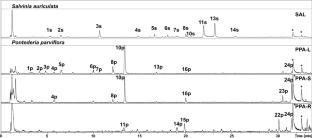
This study investigates the role of secondary metabolites in the phytoremediation of cadmium-contaminated water using Pontederia parviflora and Salvinia auriculata. Unlike previous studies, which primarily focus on the physical removal of heavy metals by plants, our research explores the biochemical interactions between these plants secondary metabolites and cadmium ions. We employed liquid chromatography-diode array detector-mass spectrometry (LC-DAD-MS) to analyze the chemical composition of the plant extracts and assessed the impact of these metabolites on cadmium accumulation and removal efficiency. Our findings reveal that the removal of secondary metabolites from plant biomass did not significantly alter the cadmium removal efficiency, challenging the commonly held belief that these metabolites play a central role in heavy metal sequestration. Additionally, our results indicate that cadmium uptake is more closely associated with structural components of plant tissues rather than the presence of specific secondary metabolites. This study provides new insights into the mechanisms of phytoremediation and suggests that the optimization of plant selection for remediation efforts should focus on the structural properties of plant tissues rather than secondary metabolite content.
期刊介绍:
Environmental Monitoring and Assessment emphasizes technical developments and data arising from environmental monitoring and assessment, the use of scientific principles in the design of monitoring systems at the local, regional and global scales, and the use of monitoring data in assessing the consequences of natural resource management actions and pollution risks to man and the environment.




 京公网安备 11010802042870号
京ICP备2023020795号-1
京公网安备 11010802042870号
京ICP备2023020795号-1

 分享
分享
 求助内容:
求助内容: 应助结果提醒方式:
 扫码关注我们
