{"title":"荟萃分析的异质性:一个不可避免的挑战,值得探索。","authors":"Geun Joo Choi, Hyun Kang","doi":"10.4097/kja.25001","DOIUrl":null,"url":null,"abstract":"<p><p>Heterogeneity is a critical but unavoidable aspect of meta-analyses that reflects differences in study outcomes beyond what is expected by chance. These variations arise from differences in the study populations, interventions, methodologies, and measurement tools and can influence key meta-analytical outputs, including pooled effect sizes, confidence intervals, and overall conclusions. Systematic reviews and meta-analyses combine evidence from diverse studies; thus, a clear understanding of heterogeneity is necessary for reliable and meaningful interpretations of the results. This review examines the concepts, sources, measurement techniques, and implications of this heterogeneity. Statistical tools (e.g., Cochran's Q, I2, and τ2) quantify heterogeneity, whereas τ and prediction intervals, as they use the same units, aid in the intuitive understanding of heterogeneity. The choice between fixed- and random-effects models can also significantly affect the handling and interpretation of heterogeneity in meta-analyses. Effective management strategies include subgroup analyses, sensitivity analyses, and meta-regressions, which identify sources of variability and strengthen the robustness of the findings. Although heterogeneity complicates the synthesis of a single effect size, it offers valuable insights into patterns and differences among studies. Recognizing and understanding heterogeneity is vital for accurately synthesizing the evidence, which can indicate whether an intervention has consistent effects, benefits, or harms. Rather than viewing heterogeneity as inherently good or bad, researchers and clinicians should consider it a key component of systematic reviews and meta-analyses, allowing for a deeper understanding and more nuanced application of pooled findings. Addressing heterogeneity ultimately enhances the reliability, applicability, and overall impact of the conclusions of meta-analyses.</p>","PeriodicalId":17855,"journal":{"name":"Korean Journal of Anesthesiology","volume":" ","pages":"301-314"},"PeriodicalIF":4.0000,"publicationDate":"2025-08-01","publicationTypes":"Journal Article","fieldsOfStudy":null,"isOpenAccess":false,"openAccessPdf":"https://www.ncbi.nlm.nih.gov/pmc/articles/PMC12326561/pdf/","citationCount":"0","resultStr":"{\"title\":\"Heterogeneity in meta-analyses: an unavoidable challenge worth exploring.\",\"authors\":\"Geun Joo Choi, Hyun Kang\",\"doi\":\"10.4097/kja.25001\",\"DOIUrl\":null,\"url\":null,\"abstract\":\"<p><p>Heterogeneity is a critical but unavoidable aspect of meta-analyses that reflects differences in study outcomes beyond what is expected by chance. These variations arise from differences in the study populations, interventions, methodologies, and measurement tools and can influence key meta-analytical outputs, including pooled effect sizes, confidence intervals, and overall conclusions. Systematic reviews and meta-analyses combine evidence from diverse studies; thus, a clear understanding of heterogeneity is necessary for reliable and meaningful interpretations of the results. This review examines the concepts, sources, measurement techniques, and implications of this heterogeneity. Statistical tools (e.g., Cochran's Q, I2, and τ2) quantify heterogeneity, whereas τ and prediction intervals, as they use the same units, aid in the intuitive understanding of heterogeneity. The choice between fixed- and random-effects models can also significantly affect the handling and interpretation of heterogeneity in meta-analyses. Effective management strategies include subgroup analyses, sensitivity analyses, and meta-regressions, which identify sources of variability and strengthen the robustness of the findings. Although heterogeneity complicates the synthesis of a single effect size, it offers valuable insights into patterns and differences among studies. Recognizing and understanding heterogeneity is vital for accurately synthesizing the evidence, which can indicate whether an intervention has consistent effects, benefits, or harms. Rather than viewing heterogeneity as inherently good or bad, researchers and clinicians should consider it a key component of systematic reviews and meta-analyses, allowing for a deeper understanding and more nuanced application of pooled findings. Addressing heterogeneity ultimately enhances the reliability, applicability, and overall impact of the conclusions of meta-analyses.</p>\",\"PeriodicalId\":17855,\"journal\":{\"name\":\"Korean Journal of Anesthesiology\",\"volume\":\" \",\"pages\":\"301-314\"},\"PeriodicalIF\":4.0000,\"publicationDate\":\"2025-08-01\",\"publicationTypes\":\"Journal Article\",\"fieldsOfStudy\":null,\"isOpenAccess\":false,\"openAccessPdf\":\"https://www.ncbi.nlm.nih.gov/pmc/articles/PMC12326561/pdf/\",\"citationCount\":\"0\",\"resultStr\":null,\"platform\":\"Semanticscholar\",\"paperid\":null,\"PeriodicalName\":\"Korean Journal of Anesthesiology\",\"FirstCategoryId\":\"3\",\"ListUrlMain\":\"https://doi.org/10.4097/kja.25001\",\"RegionNum\":4,\"RegionCategory\":\"医学\",\"ArticlePicture\":[],\"TitleCN\":null,\"AbstractTextCN\":null,\"PMCID\":null,\"EPubDate\":\"2025/2/14 0:00:00\",\"PubModel\":\"Epub\",\"JCR\":\"Q1\",\"JCRName\":\"ANESTHESIOLOGY\",\"Score\":null,\"Total\":0}","platform":"Semanticscholar","paperid":null,"PeriodicalName":"Korean Journal of Anesthesiology","FirstCategoryId":"3","ListUrlMain":"https://doi.org/10.4097/kja.25001","RegionNum":4,"RegionCategory":"医学","ArticlePicture":[],"TitleCN":null,"AbstractTextCN":null,"PMCID":null,"EPubDate":"2025/2/14 0:00:00","PubModel":"Epub","JCR":"Q1","JCRName":"ANESTHESIOLOGY","Score":null,"Total":0}
Heterogeneity in meta-analyses: an unavoidable challenge worth exploring.
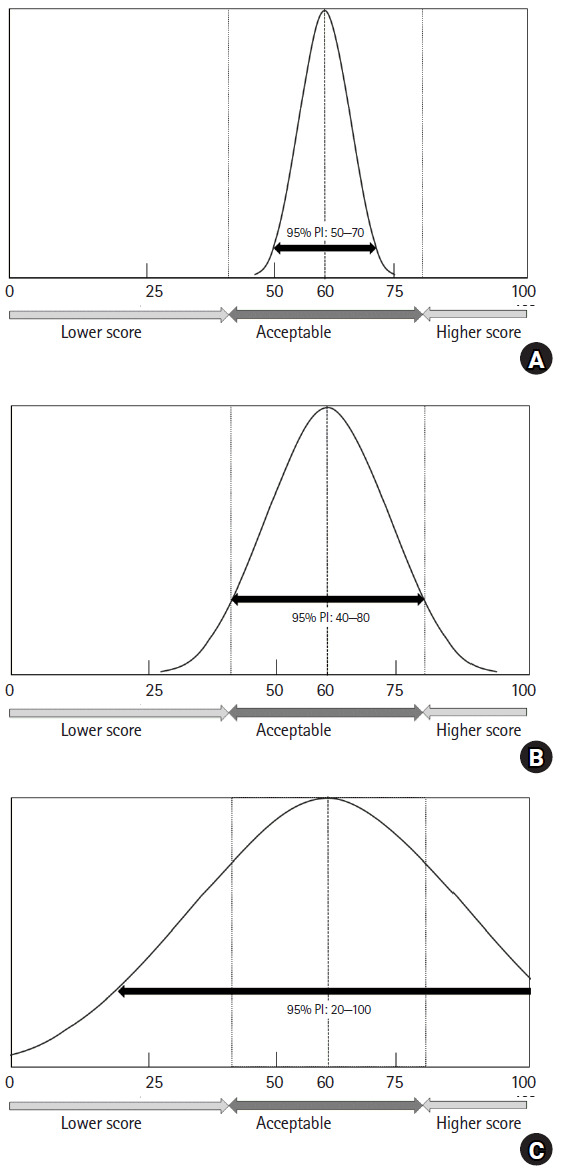
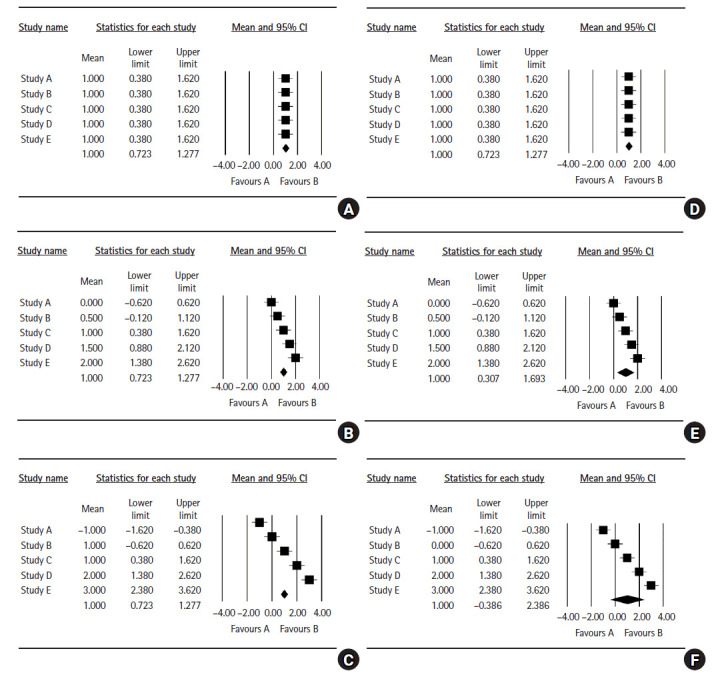
Heterogeneity is a critical but unavoidable aspect of meta-analyses that reflects differences in study outcomes beyond what is expected by chance. These variations arise from differences in the study populations, interventions, methodologies, and measurement tools and can influence key meta-analytical outputs, including pooled effect sizes, confidence intervals, and overall conclusions. Systematic reviews and meta-analyses combine evidence from diverse studies; thus, a clear understanding of heterogeneity is necessary for reliable and meaningful interpretations of the results. This review examines the concepts, sources, measurement techniques, and implications of this heterogeneity. Statistical tools (e.g., Cochran's Q, I2, and τ2) quantify heterogeneity, whereas τ and prediction intervals, as they use the same units, aid in the intuitive understanding of heterogeneity. The choice between fixed- and random-effects models can also significantly affect the handling and interpretation of heterogeneity in meta-analyses. Effective management strategies include subgroup analyses, sensitivity analyses, and meta-regressions, which identify sources of variability and strengthen the robustness of the findings. Although heterogeneity complicates the synthesis of a single effect size, it offers valuable insights into patterns and differences among studies. Recognizing and understanding heterogeneity is vital for accurately synthesizing the evidence, which can indicate whether an intervention has consistent effects, benefits, or harms. Rather than viewing heterogeneity as inherently good or bad, researchers and clinicians should consider it a key component of systematic reviews and meta-analyses, allowing for a deeper understanding and more nuanced application of pooled findings. Addressing heterogeneity ultimately enhances the reliability, applicability, and overall impact of the conclusions of meta-analyses.









 京公网安备 11010802042870号
京ICP备2023020795号-1
京公网安备 11010802042870号
京ICP备2023020795号-1

 分享
分享
 求助内容:
求助内容: 应助结果提醒方式:
 扫码关注我们
