{"title":"机械亲和性水凝胶:当机械应力产生有用的反应时","authors":"Franciela Arenhart Soares , Pol Besenius","doi":"10.1039/d4qo02060j","DOIUrl":null,"url":null,"abstract":"<div><div>Mechanophoric hydrogels undergo visible color changes or alterations in optical properties in response to mechanical stimuli. Achieving mechanophoric features in hydrogel materials involves careful control of the polymer microstructure, as well as the incorporation of mechanoresponsive molecular entities known as mechanophores. Upon mechanical activation, mechanophores undergo reversible or irreversible molecular rearrangements, leading to a visual response. This review serves as a practical reference for selecting and designing mechanophores, and classifies their mode of action. By consolidating key information on molecular and materials design criteria, it focuses specifically on mechanophoric responses within hydrogel networks and provides insight into pioneering contributions, as well as some of the most recent advances and literature examples. The multidisciplinary nature of this rapidly growing research field requires expertise in organic synthesis, physical polymer chemistry and photophysics, making this review a valuable resource for researchers interested in the fundamental developments or applications of mechanophoric hydrogel materials.</div></div>","PeriodicalId":94379,"journal":{"name":"Organic chemistry frontiers : an international journal of organic chemistry","volume":"12 9","pages":"Pages 3107-3128"},"PeriodicalIF":0.0000,"publicationDate":"2025-02-27","publicationTypes":"Journal Article","fieldsOfStudy":null,"isOpenAccess":false,"openAccessPdf":"","citationCount":"0","resultStr":"{\"title\":\"Mechanophoric hydrogels: when mechanical stress produces useful responses\",\"authors\":\"Franciela Arenhart Soares , Pol Besenius\",\"doi\":\"10.1039/d4qo02060j\",\"DOIUrl\":null,\"url\":null,\"abstract\":\"<div><div>Mechanophoric hydrogels undergo visible color changes or alterations in optical properties in response to mechanical stimuli. Achieving mechanophoric features in hydrogel materials involves careful control of the polymer microstructure, as well as the incorporation of mechanoresponsive molecular entities known as mechanophores. Upon mechanical activation, mechanophores undergo reversible or irreversible molecular rearrangements, leading to a visual response. This review serves as a practical reference for selecting and designing mechanophores, and classifies their mode of action. By consolidating key information on molecular and materials design criteria, it focuses specifically on mechanophoric responses within hydrogel networks and provides insight into pioneering contributions, as well as some of the most recent advances and literature examples. The multidisciplinary nature of this rapidly growing research field requires expertise in organic synthesis, physical polymer chemistry and photophysics, making this review a valuable resource for researchers interested in the fundamental developments or applications of mechanophoric hydrogel materials.</div></div>\",\"PeriodicalId\":94379,\"journal\":{\"name\":\"Organic chemistry frontiers : an international journal of organic chemistry\",\"volume\":\"12 9\",\"pages\":\"Pages 3107-3128\"},\"PeriodicalIF\":0.0000,\"publicationDate\":\"2025-02-27\",\"publicationTypes\":\"Journal Article\",\"fieldsOfStudy\":null,\"isOpenAccess\":false,\"openAccessPdf\":\"\",\"citationCount\":\"0\",\"resultStr\":null,\"platform\":\"Semanticscholar\",\"paperid\":null,\"PeriodicalName\":\"Organic chemistry frontiers : an international journal of organic chemistry\",\"FirstCategoryId\":\"1085\",\"ListUrlMain\":\"https://www.sciencedirect.com/org/science/article/pii/S2052412925001469\",\"RegionNum\":0,\"RegionCategory\":null,\"ArticlePicture\":[],\"TitleCN\":null,\"AbstractTextCN\":null,\"PMCID\":null,\"EPubDate\":\"2025/2/18 0:00:00\",\"PubModel\":\"Epub\",\"JCR\":\"\",\"JCRName\":\"\",\"Score\":null,\"Total\":0}","platform":"Semanticscholar","paperid":null,"PeriodicalName":"Organic chemistry frontiers : an international journal of organic chemistry","FirstCategoryId":"1085","ListUrlMain":"https://www.sciencedirect.com/org/science/article/pii/S2052412925001469","RegionNum":0,"RegionCategory":null,"ArticlePicture":[],"TitleCN":null,"AbstractTextCN":null,"PMCID":null,"EPubDate":"2025/2/18 0:00:00","PubModel":"Epub","JCR":"","JCRName":"","Score":null,"Total":0}
Mechanophoric hydrogels: when mechanical stress produces useful responses
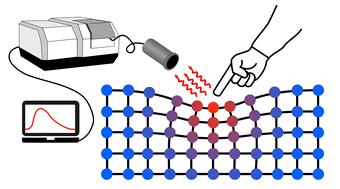
Mechanophoric hydrogels undergo visible color changes or alterations in optical properties in response to mechanical stimuli. Achieving mechanophoric features in hydrogel materials involves careful control of the polymer microstructure, as well as the incorporation of mechanoresponsive molecular entities known as mechanophores. Upon mechanical activation, mechanophores undergo reversible or irreversible molecular rearrangements, leading to a visual response. This review serves as a practical reference for selecting and designing mechanophores, and classifies their mode of action. By consolidating key information on molecular and materials design criteria, it focuses specifically on mechanophoric responses within hydrogel networks and provides insight into pioneering contributions, as well as some of the most recent advances and literature examples. The multidisciplinary nature of this rapidly growing research field requires expertise in organic synthesis, physical polymer chemistry and photophysics, making this review a valuable resource for researchers interested in the fundamental developments or applications of mechanophoric hydrogel materials.




 京公网安备 11010802042870号
京ICP备2023020795号-1
京公网安备 11010802042870号
京ICP备2023020795号-1

 分享
分享

 求助内容:
求助内容: 应助结果提醒方式:
 扫码关注我们
