Louisa R Peralta, Rowena Forsyth, Nanise Lapi, Krestina L Amon, Pierre Metsan, Guillaume Wattelez, Juliana Chen, Olivier Galy, Corinne Caillaud
{"title":"青少年健康素养对大洋洲粮食、营养、气候变化和数字技术解决方案讲习班的反应:瓦努阿图多地点试点研究。","authors":"Louisa R Peralta, Rowena Forsyth, Nanise Lapi, Krestina L Amon, Pierre Metsan, Guillaume Wattelez, Juliana Chen, Olivier Galy, Corinne Caillaud","doi":"10.1186/s12889-025-21865-7","DOIUrl":null,"url":null,"abstract":"<p><strong>Background: </strong>Non-communicable diseases (NCD) have become the leading cause of premature death and disability in the Pacific region, with the development of health literacy an important factor for the prevention and control of NCD. Health literacy is an important lifelong asset that can be developed in adolescents through engagement in schooling and curriculum. The aim of this study was to explore Ni-Van adolescents' health literacy knowledge and capabilities regarding food and nutrition, climate change and digital technology solutions.</p><p><strong>Methods: </strong>Two Ni-Van schools participated in the study (one urban (School A) and one rural school (School B)), with 44 students (68% female) comprising 14 small groups participating in one workshop and booklet activities in April 2023. The 14 workshop booklet responses were deductively analysed using Nutbeam's health literacy hierarchy.</p><p><strong>Results: </strong>School A's booklet responses showed that interactive health literacy responses were dominant (54%), followed by functional (34%) and critical learning activities (12%), whereas School B's responses showed that functional health literacy responses were dominant (65%), followed by interactive (28%) and critical (5%).</p><p><strong>Conclusion: </strong>The findings show that students in both schools were less likely to engage in critical, compared with functional and interactive health literacy levels. This is an important consideration for future workshops, as well as curriculum and teacher training in Vanuatu, as Vanuatu (and other PICTs) are more susceptible to the effects of climate change and food sustainability issues.. Without a focus on developing critical health literacy knowledge and capabilities throughout the schooling years, this is a missed opportunity to create enabling environments that reduce youth exposures to NCD risk factors.</p>","PeriodicalId":9039,"journal":{"name":"BMC Public Health","volume":"25 1","pages":"648"},"PeriodicalIF":4.4000,"publicationDate":"2025-02-17","publicationTypes":"Journal Article","fieldsOfStudy":null,"isOpenAccess":false,"openAccessPdf":"https://www.ncbi.nlm.nih.gov/pmc/articles/PMC11834180/pdf/","citationCount":"0","resultStr":"{\"title\":\"Health literacy of adolescents' responses to a workshop focusing on food, nutrition, climate change and digital technology solutions in Oceania: a multi-site pilot study in Vanuatu.\",\"authors\":\"Louisa R Peralta, Rowena Forsyth, Nanise Lapi, Krestina L Amon, Pierre Metsan, Guillaume Wattelez, Juliana Chen, Olivier Galy, Corinne Caillaud\",\"doi\":\"10.1186/s12889-025-21865-7\",\"DOIUrl\":null,\"url\":null,\"abstract\":\"<p><strong>Background: </strong>Non-communicable diseases (NCD) have become the leading cause of premature death and disability in the Pacific region, with the development of health literacy an important factor for the prevention and control of NCD. Health literacy is an important lifelong asset that can be developed in adolescents through engagement in schooling and curriculum. The aim of this study was to explore Ni-Van adolescents' health literacy knowledge and capabilities regarding food and nutrition, climate change and digital technology solutions.</p><p><strong>Methods: </strong>Two Ni-Van schools participated in the study (one urban (School A) and one rural school (School B)), with 44 students (68% female) comprising 14 small groups participating in one workshop and booklet activities in April 2023. The 14 workshop booklet responses were deductively analysed using Nutbeam's health literacy hierarchy.</p><p><strong>Results: </strong>School A's booklet responses showed that interactive health literacy responses were dominant (54%), followed by functional (34%) and critical learning activities (12%), whereas School B's responses showed that functional health literacy responses were dominant (65%), followed by interactive (28%) and critical (5%).</p><p><strong>Conclusion: </strong>The findings show that students in both schools were less likely to engage in critical, compared with functional and interactive health literacy levels. This is an important consideration for future workshops, as well as curriculum and teacher training in Vanuatu, as Vanuatu (and other PICTs) are more susceptible to the effects of climate change and food sustainability issues.. Without a focus on developing critical health literacy knowledge and capabilities throughout the schooling years, this is a missed opportunity to create enabling environments that reduce youth exposures to NCD risk factors.</p>\",\"PeriodicalId\":9039,\"journal\":{\"name\":\"BMC Public Health\",\"volume\":\"25 1\",\"pages\":\"648\"},\"PeriodicalIF\":4.4000,\"publicationDate\":\"2025-02-17\",\"publicationTypes\":\"Journal Article\",\"fieldsOfStudy\":null,\"isOpenAccess\":false,\"openAccessPdf\":\"https://www.ncbi.nlm.nih.gov/pmc/articles/PMC11834180/pdf/\",\"citationCount\":\"0\",\"resultStr\":null,\"platform\":\"Semanticscholar\",\"paperid\":null,\"PeriodicalName\":\"BMC Public Health\",\"FirstCategoryId\":\"3\",\"ListUrlMain\":\"https://doi.org/10.1186/s12889-025-21865-7\",\"RegionNum\":2,\"RegionCategory\":\"医学\",\"ArticlePicture\":[],\"TitleCN\":null,\"AbstractTextCN\":null,\"PMCID\":null,\"EPubDate\":\"\",\"PubModel\":\"\",\"JCR\":\"Q1\",\"JCRName\":\"PUBLIC, ENVIRONMENTAL & OCCUPATIONAL HEALTH\",\"Score\":null,\"Total\":0}","platform":"Semanticscholar","paperid":null,"PeriodicalName":"BMC Public Health","FirstCategoryId":"3","ListUrlMain":"https://doi.org/10.1186/s12889-025-21865-7","RegionNum":2,"RegionCategory":"医学","ArticlePicture":[],"TitleCN":null,"AbstractTextCN":null,"PMCID":null,"EPubDate":"","PubModel":"","JCR":"Q1","JCRName":"PUBLIC, ENVIRONMENTAL & OCCUPATIONAL HEALTH","Score":null,"Total":0}
Health literacy of adolescents' responses to a workshop focusing on food, nutrition, climate change and digital technology solutions in Oceania: a multi-site pilot study in Vanuatu.
Background: Non-communicable diseases (NCD) have become the leading cause of premature death and disability in the Pacific region, with the development of health literacy an important factor for the prevention and control of NCD. Health literacy is an important lifelong asset that can be developed in adolescents through engagement in schooling and curriculum. The aim of this study was to explore Ni-Van adolescents' health literacy knowledge and capabilities regarding food and nutrition, climate change and digital technology solutions.
Methods: Two Ni-Van schools participated in the study (one urban (School A) and one rural school (School B)), with 44 students (68% female) comprising 14 small groups participating in one workshop and booklet activities in April 2023. The 14 workshop booklet responses were deductively analysed using Nutbeam's health literacy hierarchy.
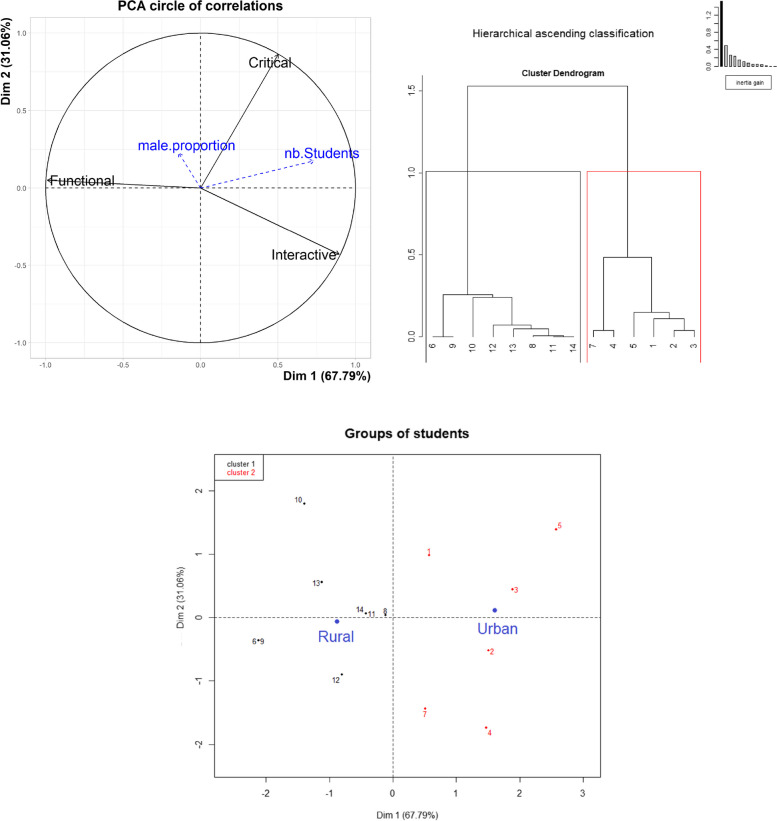
Results: School A's booklet responses showed that interactive health literacy responses were dominant (54%), followed by functional (34%) and critical learning activities (12%), whereas School B's responses showed that functional health literacy responses were dominant (65%), followed by interactive (28%) and critical (5%).
Conclusion: The findings show that students in both schools were less likely to engage in critical, compared with functional and interactive health literacy levels. This is an important consideration for future workshops, as well as curriculum and teacher training in Vanuatu, as Vanuatu (and other PICTs) are more susceptible to the effects of climate change and food sustainability issues.. Without a focus on developing critical health literacy knowledge and capabilities throughout the schooling years, this is a missed opportunity to create enabling environments that reduce youth exposures to NCD risk factors.
期刊介绍:
BMC Public Health is an open access, peer-reviewed journal that considers articles on the epidemiology of disease and the understanding of all aspects of public health. The journal has a special focus on the social determinants of health, the environmental, behavioral, and occupational correlates of health and disease, and the impact of health policies, practices and interventions on the community.




 京公网安备 11010802042870号
京ICP备2023020795号-1
京公网安备 11010802042870号
京ICP备2023020795号-1

 分享
分享
 求助内容:
求助内容: 应助结果提醒方式:
 扫码关注我们
