Xiaoying Qi, Houqing Pang, Ling Wang, Yifei Tan, Hong Luo
{"title":"胎儿巨大尿路瘤第二次“弹出”:1例报告及复习。","authors":"Xiaoying Qi, Houqing Pang, Ling Wang, Yifei Tan, Hong Luo","doi":"10.1186/s12884-025-07279-8","DOIUrl":null,"url":null,"abstract":"<p><strong>Background: </strong>Renal fornices rupture with urinoma formation in fetuses is an unusual condition that acts as a 'pop off' mechanism to buffer renal pelvis pressure. Ureteropelvic junction obstruction (UPJO) is the most common cause of prenatal hydronephrosis, but it rarely leads to the formation of urinoma. Fetal urinoma could be indicative of poor renal function after birth. We report a rare case of UPJO-related urinoma accompanied with urinary ascites, which ruptured during vaginal delivery.</p><p><strong>Case presentation: </strong>A 30-year-old woman was admitted to our hospital at 25<sup>+3</sup> weeks gestation for fetal bilateral hydronephrosis. This probable case of UPJO became further complicated at 29<sup>+5</sup> weeks with the presence of a urinoma around the left kidney and ascites. Afterwards, the urinoma gradually enlarged and the ascites worsened, accompanied by testicular hydrocele, pleural effusion, and polyhydramnios. The last prenatal ultrasound at 36<sup>+1</sup> weeks disclosed that the size of the urinoma was approximately 9.0 × 6.3x8.7 cm. The amniotic membrane ruptured prematurely and a male infant was vaginally delivered at 37 weeks. The baby developed gradually worsening abdominal distension. Bedside US revealed the urinoma became irregular and smaller, accompanied by a significant increase in ascites. It was speculated that the urinoma might experience a secondary rupture. Ascites drainage was performed and the urinoma disappeared. But it reemerged 2 days later with a significant increase in serum creatinine. The parents opted to abandon treatment. Surprisingly, the infant developed good feeding and mental health after discharge. Serum creatinine returned to normal at 3 months. Due to compression of surrounding tissues by the huge urinoma, the infant accepted urinoma resection surgery at 6 months. By the age of one, the infant was developing normally without signs of renal impairment.</p><p><strong>Conclusions: </strong>Prenatal identification of a large urinoma with urinary ascites requires necessary attention and appropriate management strategies. Prenatal urinoma drainage is indicated for large urinoma risking dystocia or rupture during delivery. Postnatal ascites requires active drainage to prevent creatinine and urea reabsorption and other complications. Small asymptomatic urinoma can be managed conservatively, but early surgery is recommended for large or recurrent urinoma exerting pressure on surrounding tissues.</p>","PeriodicalId":9033,"journal":{"name":"BMC Pregnancy and Childbirth","volume":"25 1","pages":"172"},"PeriodicalIF":2.7000,"publicationDate":"2025-02-17","publicationTypes":"Journal Article","fieldsOfStudy":null,"isOpenAccess":false,"openAccessPdf":"https://www.ncbi.nlm.nih.gov/pmc/articles/PMC11834222/pdf/","citationCount":"0","resultStr":"{\"title\":\"Second 'pop-off' of fetal giant urinoma: case report and review.\",\"authors\":\"Xiaoying Qi, Houqing Pang, Ling Wang, Yifei Tan, Hong Luo\",\"doi\":\"10.1186/s12884-025-07279-8\",\"DOIUrl\":null,\"url\":null,\"abstract\":\"<p><strong>Background: </strong>Renal fornices rupture with urinoma formation in fetuses is an unusual condition that acts as a 'pop off' mechanism to buffer renal pelvis pressure. Ureteropelvic junction obstruction (UPJO) is the most common cause of prenatal hydronephrosis, but it rarely leads to the formation of urinoma. Fetal urinoma could be indicative of poor renal function after birth. We report a rare case of UPJO-related urinoma accompanied with urinary ascites, which ruptured during vaginal delivery.</p><p><strong>Case presentation: </strong>A 30-year-old woman was admitted to our hospital at 25<sup>+3</sup> weeks gestation for fetal bilateral hydronephrosis. This probable case of UPJO became further complicated at 29<sup>+5</sup> weeks with the presence of a urinoma around the left kidney and ascites. Afterwards, the urinoma gradually enlarged and the ascites worsened, accompanied by testicular hydrocele, pleural effusion, and polyhydramnios. The last prenatal ultrasound at 36<sup>+1</sup> weeks disclosed that the size of the urinoma was approximately 9.0 × 6.3x8.7 cm. The amniotic membrane ruptured prematurely and a male infant was vaginally delivered at 37 weeks. The baby developed gradually worsening abdominal distension. Bedside US revealed the urinoma became irregular and smaller, accompanied by a significant increase in ascites. It was speculated that the urinoma might experience a secondary rupture. Ascites drainage was performed and the urinoma disappeared. But it reemerged 2 days later with a significant increase in serum creatinine. The parents opted to abandon treatment. Surprisingly, the infant developed good feeding and mental health after discharge. Serum creatinine returned to normal at 3 months. Due to compression of surrounding tissues by the huge urinoma, the infant accepted urinoma resection surgery at 6 months. By the age of one, the infant was developing normally without signs of renal impairment.</p><p><strong>Conclusions: </strong>Prenatal identification of a large urinoma with urinary ascites requires necessary attention and appropriate management strategies. Prenatal urinoma drainage is indicated for large urinoma risking dystocia or rupture during delivery. Postnatal ascites requires active drainage to prevent creatinine and urea reabsorption and other complications. Small asymptomatic urinoma can be managed conservatively, but early surgery is recommended for large or recurrent urinoma exerting pressure on surrounding tissues.</p>\",\"PeriodicalId\":9033,\"journal\":{\"name\":\"BMC Pregnancy and Childbirth\",\"volume\":\"25 1\",\"pages\":\"172\"},\"PeriodicalIF\":2.7000,\"publicationDate\":\"2025-02-17\",\"publicationTypes\":\"Journal Article\",\"fieldsOfStudy\":null,\"isOpenAccess\":false,\"openAccessPdf\":\"https://www.ncbi.nlm.nih.gov/pmc/articles/PMC11834222/pdf/\",\"citationCount\":\"0\",\"resultStr\":null,\"platform\":\"Semanticscholar\",\"paperid\":null,\"PeriodicalName\":\"BMC Pregnancy and Childbirth\",\"FirstCategoryId\":\"3\",\"ListUrlMain\":\"https://doi.org/10.1186/s12884-025-07279-8\",\"RegionNum\":2,\"RegionCategory\":\"医学\",\"ArticlePicture\":[],\"TitleCN\":null,\"AbstractTextCN\":null,\"PMCID\":null,\"EPubDate\":\"\",\"PubModel\":\"\",\"JCR\":\"Q1\",\"JCRName\":\"OBSTETRICS & GYNECOLOGY\",\"Score\":null,\"Total\":0}","platform":"Semanticscholar","paperid":null,"PeriodicalName":"BMC Pregnancy and Childbirth","FirstCategoryId":"3","ListUrlMain":"https://doi.org/10.1186/s12884-025-07279-8","RegionNum":2,"RegionCategory":"医学","ArticlePicture":[],"TitleCN":null,"AbstractTextCN":null,"PMCID":null,"EPubDate":"","PubModel":"","JCR":"Q1","JCRName":"OBSTETRICS & GYNECOLOGY","Score":null,"Total":0}
Second 'pop-off' of fetal giant urinoma: case report and review.
Background: Renal fornices rupture with urinoma formation in fetuses is an unusual condition that acts as a 'pop off' mechanism to buffer renal pelvis pressure. Ureteropelvic junction obstruction (UPJO) is the most common cause of prenatal hydronephrosis, but it rarely leads to the formation of urinoma. Fetal urinoma could be indicative of poor renal function after birth. We report a rare case of UPJO-related urinoma accompanied with urinary ascites, which ruptured during vaginal delivery.
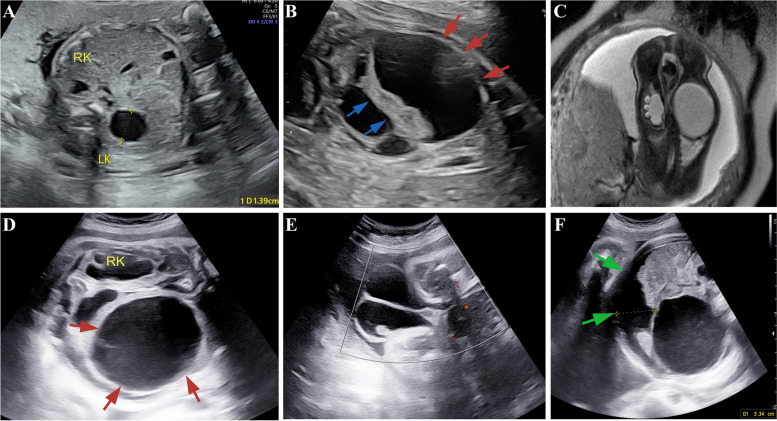
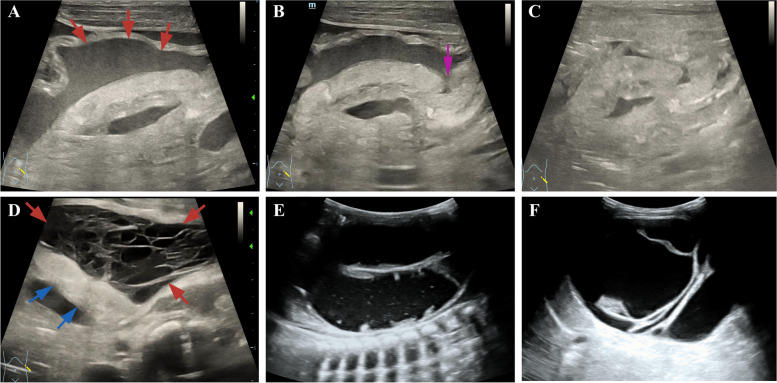
Case presentation: A 30-year-old woman was admitted to our hospital at 25+3 weeks gestation for fetal bilateral hydronephrosis. This probable case of UPJO became further complicated at 29+5 weeks with the presence of a urinoma around the left kidney and ascites. Afterwards, the urinoma gradually enlarged and the ascites worsened, accompanied by testicular hydrocele, pleural effusion, and polyhydramnios. The last prenatal ultrasound at 36+1 weeks disclosed that the size of the urinoma was approximately 9.0 × 6.3x8.7 cm. The amniotic membrane ruptured prematurely and a male infant was vaginally delivered at 37 weeks. The baby developed gradually worsening abdominal distension. Bedside US revealed the urinoma became irregular and smaller, accompanied by a significant increase in ascites. It was speculated that the urinoma might experience a secondary rupture. Ascites drainage was performed and the urinoma disappeared. But it reemerged 2 days later with a significant increase in serum creatinine. The parents opted to abandon treatment. Surprisingly, the infant developed good feeding and mental health after discharge. Serum creatinine returned to normal at 3 months. Due to compression of surrounding tissues by the huge urinoma, the infant accepted urinoma resection surgery at 6 months. By the age of one, the infant was developing normally without signs of renal impairment.
Conclusions: Prenatal identification of a large urinoma with urinary ascites requires necessary attention and appropriate management strategies. Prenatal urinoma drainage is indicated for large urinoma risking dystocia or rupture during delivery. Postnatal ascites requires active drainage to prevent creatinine and urea reabsorption and other complications. Small asymptomatic urinoma can be managed conservatively, but early surgery is recommended for large or recurrent urinoma exerting pressure on surrounding tissues.
期刊介绍:
BMC Pregnancy & Childbirth is an open access, peer-reviewed journal that considers articles on all aspects of pregnancy and childbirth. The journal welcomes submissions on the biomedical aspects of pregnancy, breastfeeding, labor, maternal health, maternity care, trends and sociological aspects of pregnancy and childbirth.





 京公网安备 11010802042870号
京ICP备2023020795号-1
京公网安备 11010802042870号
京ICP备2023020795号-1

 分享
分享
 求助内容:
求助内容: 应助结果提醒方式:
 扫码关注我们
